 Μake us preferred on Google
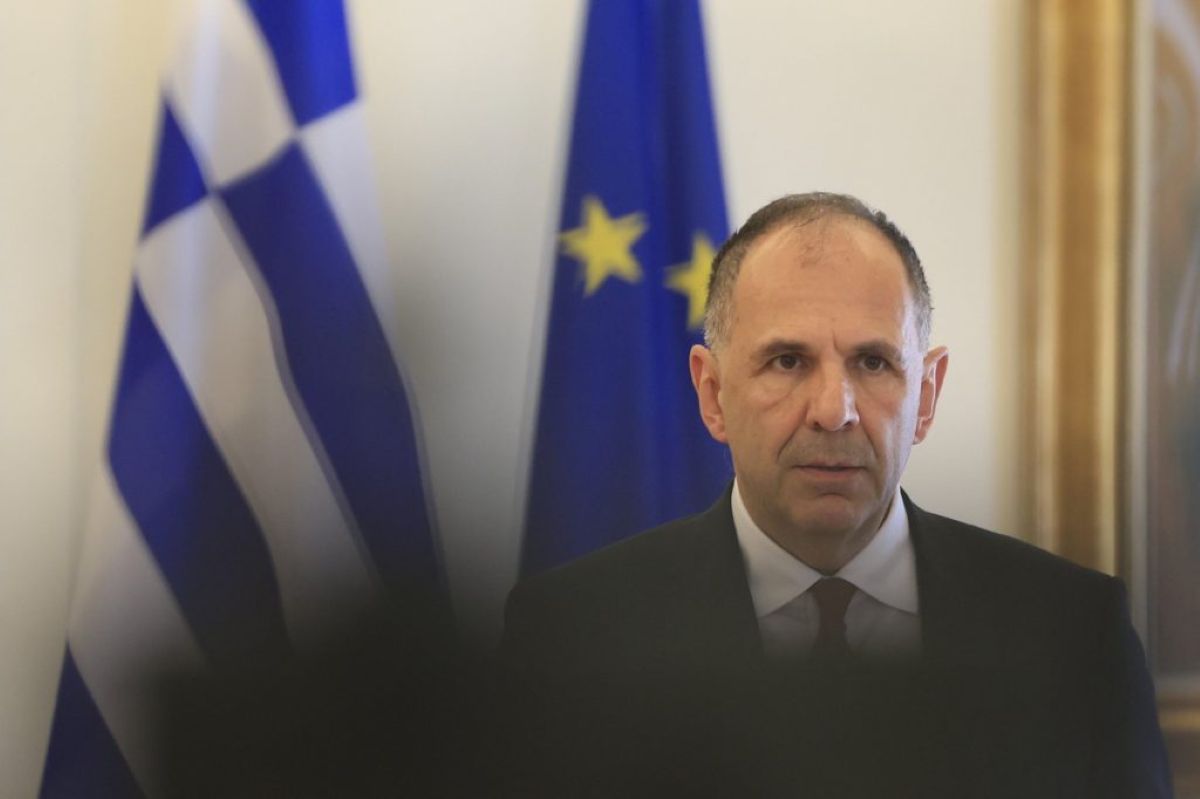
 Greek Foreign Minister Giorgos Gerapetritis sent a firm and unequivocal message regarding the Greece–Cyprus electricity interconnection project in an interview with the Greek news-outlet Real News on Sunday, August 31. He underlined that the project, which is set to end Cyprus’s energy isolation, will move forward.
He emphasized that Athens has already demonstrated—through maritime spatial planning, the establishment of marine parks, and the licensing of blocks south of Crete—that it defends its sovereign rights in practice, not merely in words. These moves, he underlined, are guided by national interest and respect for international law, regardless of expected objections from neighboring states.
According to the minister, Greece’s active foreign policy inevitably triggers reactions, but the country is no longer defined by others’ agendas. Instead, through initiatives taken in the past two years, Athens has shifted from a defensive stance to proactive engagement, strengthening its position both in the Aegean and in Eastern Europe.
On Libya, Gerapetritis addressed reports that forces aligned with Khalifa Haftar may be preparing to endorse the contested 2019 Turkey–Libya maritime accord.
He stressed that Greece has restored communication channels with both eastern and western Libya, while bilateral exchanges are steadily expanding. Technical talks on the delimitation of exclusive economic zones are set to begin, and irregular migration flows through the southern corridor have reportedly fallen by 80 percent.
The minister noted that any potential ratification of the Turkey–Libya memorandum would not grant it legal validity, as it lacks any foundation in international law. However, such a step would weigh heavily on Greek-Libyan relations. He added that, for now, this scenario has not materialized, and cautioned against attempts to exploit sensitive foreign policy issues for partisan advantage.