 Μake us preferred on Google
 Greece’s Parliament is set to debate a major civil protection reform bill titled “Active Battle,” presented by the Ministry of Climate Crisis and Civil Protection. The proposed legislation aims to overhaul how the country manages natural disasters and emergencies, shifting from ad hoc responses to a structured, prevention-driven system.
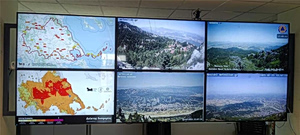
During committee discussions, Climate Crisis and Civil Protection Minister Ioannis Kefalogiannis argued that civil protection “cannot function through fragmented plans.” He emphasized that the bill establishes a Unified Incident Command System, under which all emergency forces would operate within a common structure and single chain of command during crises.
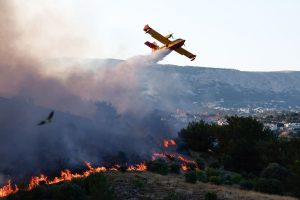
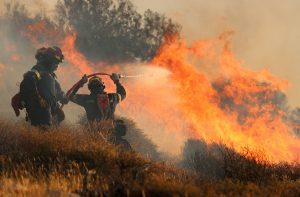
The minister also defended provisions for so-called “prescribed burning,” describing it as a scientifically supervised, low-intensity fire prevention tool used internationally, with mandatory oversight by forestry experts and firefighters. He stressed that it is not an uncontrolled fire but a preventive measure.
A Shift Toward Prevention
According to the ministry, the core philosophy of the “Active Battle” bill is to transform Greece’s civil protection framework into a fully institutionalized, interoperable and integrated risk and crisis management model.
Instead of treating disasters as isolated events requiring only suppression, the new approach outlines a continuous policy cycle: prevention, preparedness, response, short-term recovery, and evaluation. The legislation seeks to unify operational, preventive, informational and training tools under the National Mechanism for Crisis and Risk Management.
Government officials describe the bill as a structural reform designed to clarify roles and responsibilities, strengthen operational readiness and better protect local communities facing increasingly frequent and intense risks. The ministry says the draft law is the result of extensive public consultation, incorporating 52 distinct proposals submitted during the review process.
Opposition Raises Concerns
Opposition parties have reserved their final positions for the plenary debate, although some have already voiced objections. The Communist Party has announced it will vote against the bill, while the governing party is expected to support it.
Lawmakers from PASOK argued that the legislation does not adequately address core needs such as clear hierarchy, unified leadership, sufficient resources and permanent, well-trained personnel. They accused the government of recycling bureaucracy and dispersing responsibility instead of strengthening life, property and environmental protection.
Representatives from SYRIZA also criticized the proposal, saying it fails to serve the broader objective of organizing prevention and safeguarding human resources effectively.
The Communist Party raised objections to provisions related to forest fire management, including prescribed burning and controlled grazing, arguing that responsibilities would shift away from traditional forestry authorities, potentially fragmenting prevention and suppression efforts rather than ensuring integrated forest protection.