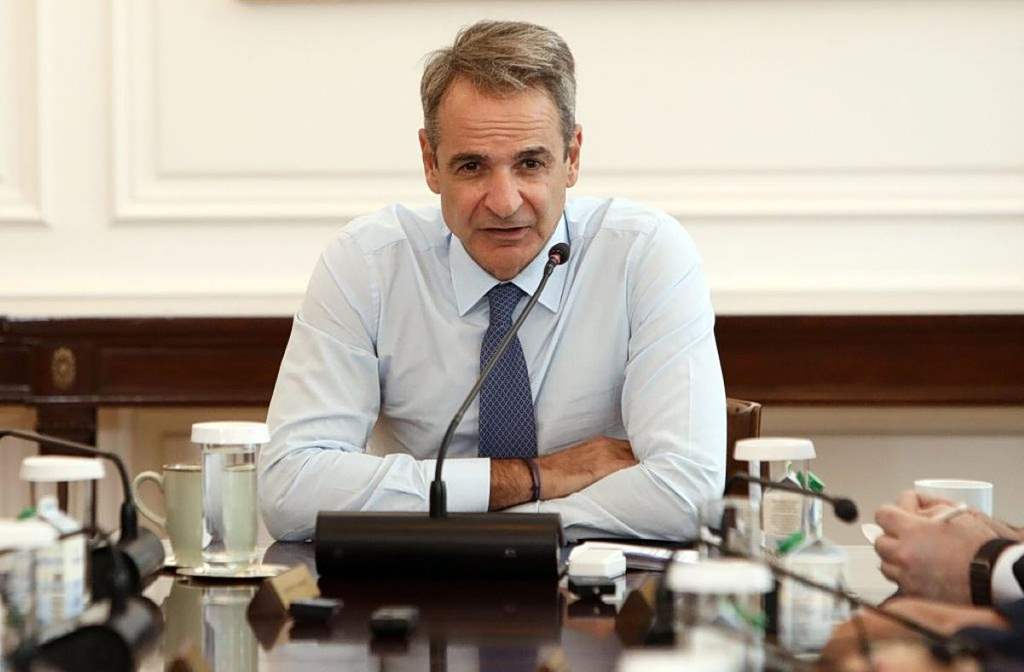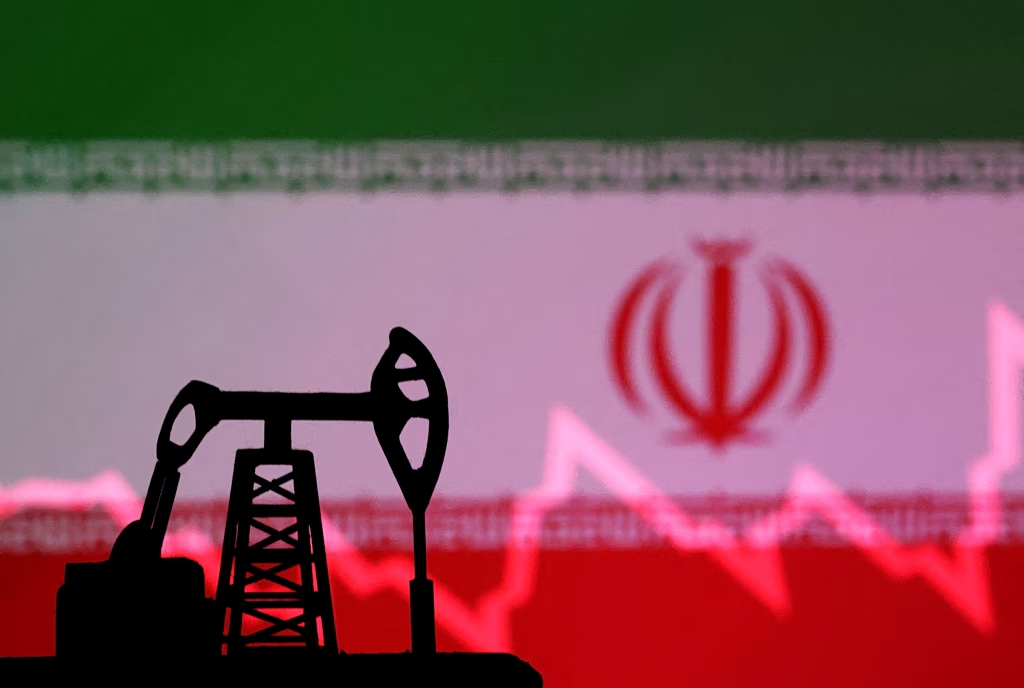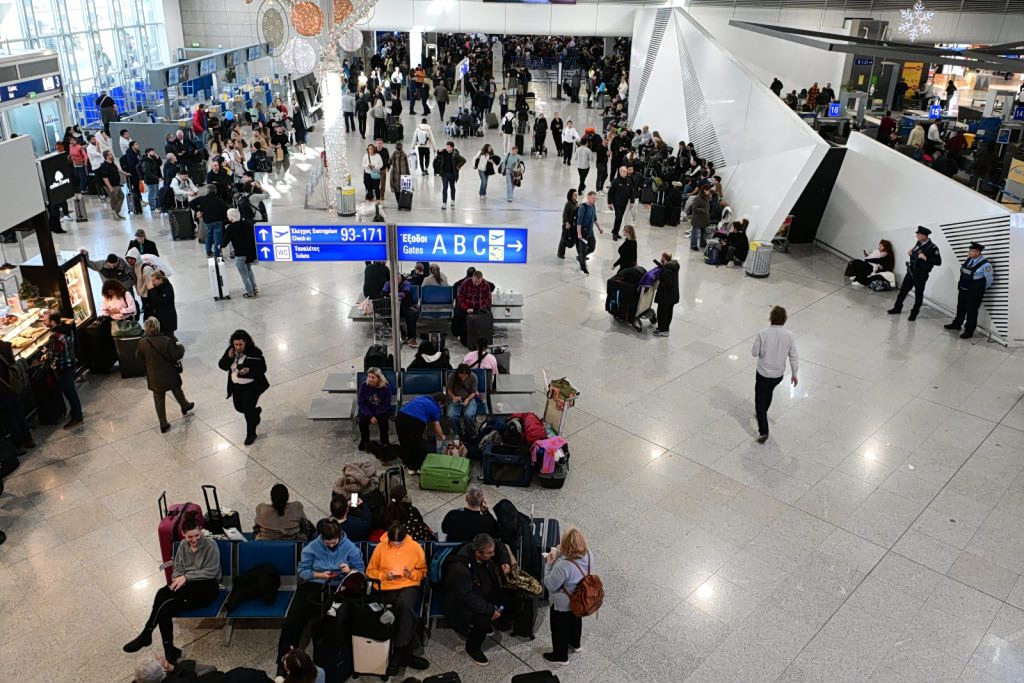
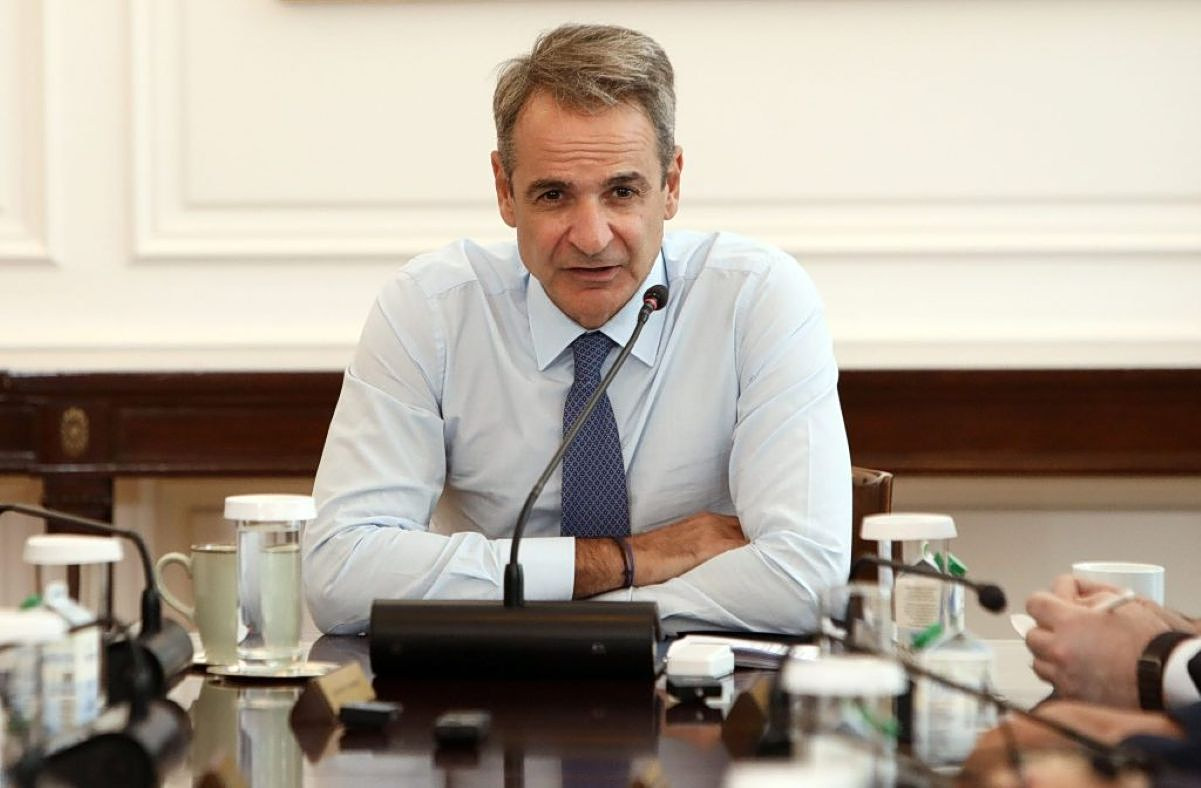
Greek Prime Minister Kyriakos Mitsotakis will hold a teleconference with the heads of Greece’s embassies and consulates in Iran and across the Middle East, at noon on Monday March 2, as Athens intensifies its diplomatic engagement amid escalating regional tensions.
The discussion is expected to focus on the latest developments in the region and on Greece’s diplomatic initiatives aimed at strengthening stability and cooperation. Greek officials are closely monitoring the rapidly evolving situation, seeking to balance strategic interests with the imperative of safeguarding national security.
A diplomatic alert was sounded in Athens from the outset, triggering swift mobilization by Mitsotakis, Foreign Minister George Gerapetritis and Defense Minister Nikos Dendias. The response has included urgent intra-government consultations and a flurry of contacts with Gulf states and European partners.
Greek authorities once again find themselves navigating delicate balances. Athens has made clear that it has no involvement in military operations and that its absolute priority is the safety of Greek citizens in the broader region.
The potential first-order repercussions—geopolitical, diplomatic, and security-related—were assessed during an extraordinary meeting of the Government Council for Foreign Affairs and Defense (KYSEA) convened on Saturday under Mitsotakis. However, the extent to which Greece itself may face deeper, multi-layered consequences will depend on whether further escalation can be averted.
Athens is advancing a dual-track approach of “de-escalation and diplomacy,” underscoring the need to protect civilians and uphold international law. At the same time, it acknowledges the importance of effective oversight of Iran’s nuclear and ballistic missile programs to prevent the acquisition of nuclear weapons—an objective seen as crucial to maintaining stability across the wider region.