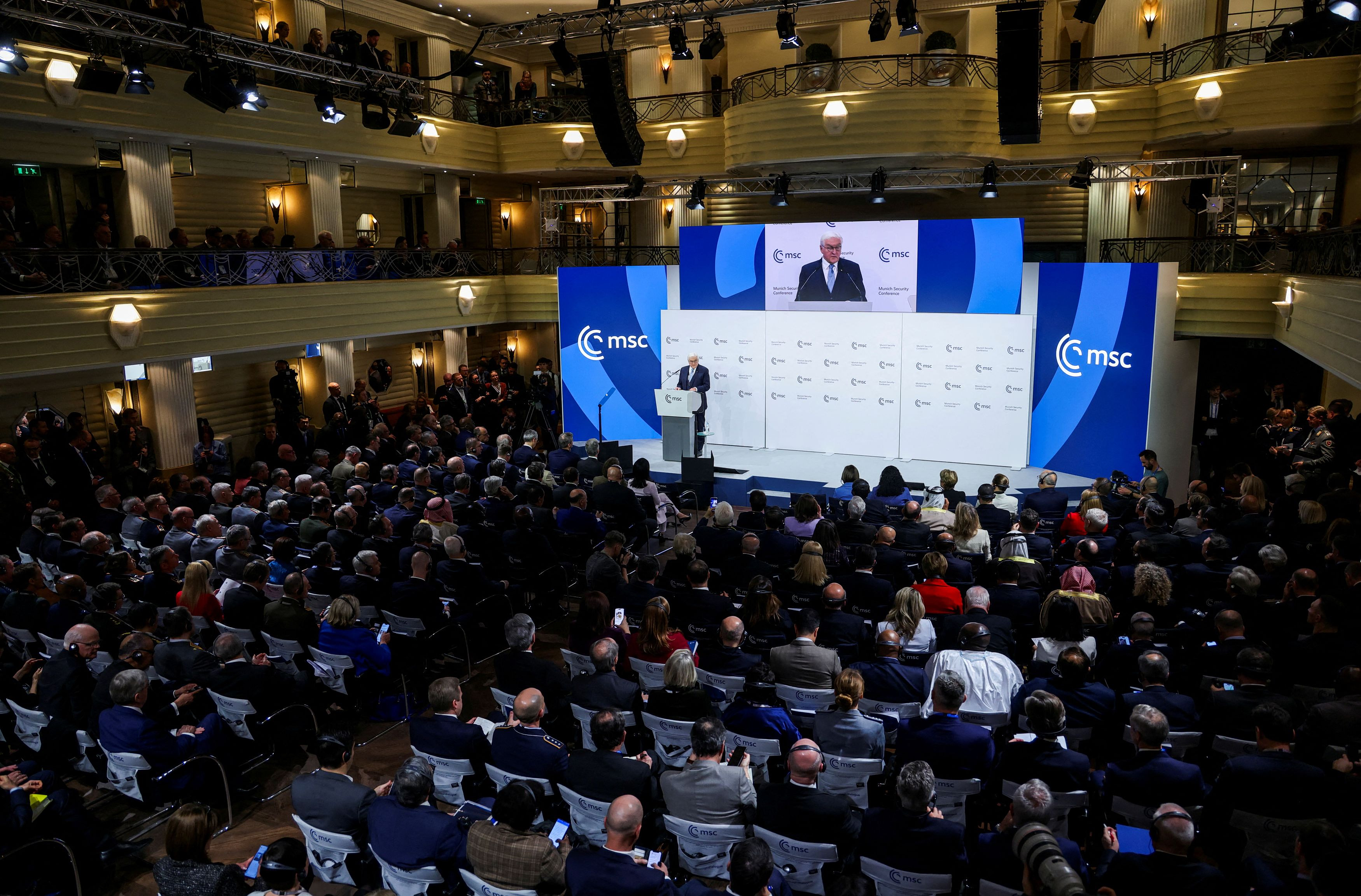
From Feb. 13 to 15, the Munich Security Conference will convene at Munich’s Bayerischer Hof hotel, drawing presidents, prime ministers, foreign ministers and defense chiefs to what is widely described as the world’s most important security-policy gathering.
It is always a high-profile lineup. What makes this year different is the atmosphere in which it is taking place, and the blunt tone of the conference’s own flagship publication, the Munich Security Report, which traditionally serves as a conversation starter for the debates that will unfold in Bavaria.
This year, its argument is impossible to ignore. “The world has entered a period of wrecking-ball politics,” it declares. “Sweeping destruction – rather than careful reforms and policy corrections – is the order of the day.” More than 80 years after construction began, it adds, the U.S.-led post-1945 international order is now “under destruction.”
In the foreword to this year’s report, titled “Under Destruction,” acting conference head Wolfgang Ischinger writes that the gathering is “taking place at a moment of profound uncertainty.” Rarely, he notes, “have there been so many fundamental questions on the table at the same time: about Europe’s security, the resilience of the transatlantic partnership, and the ability of the international community to manage an increasingly complex and contested world.”
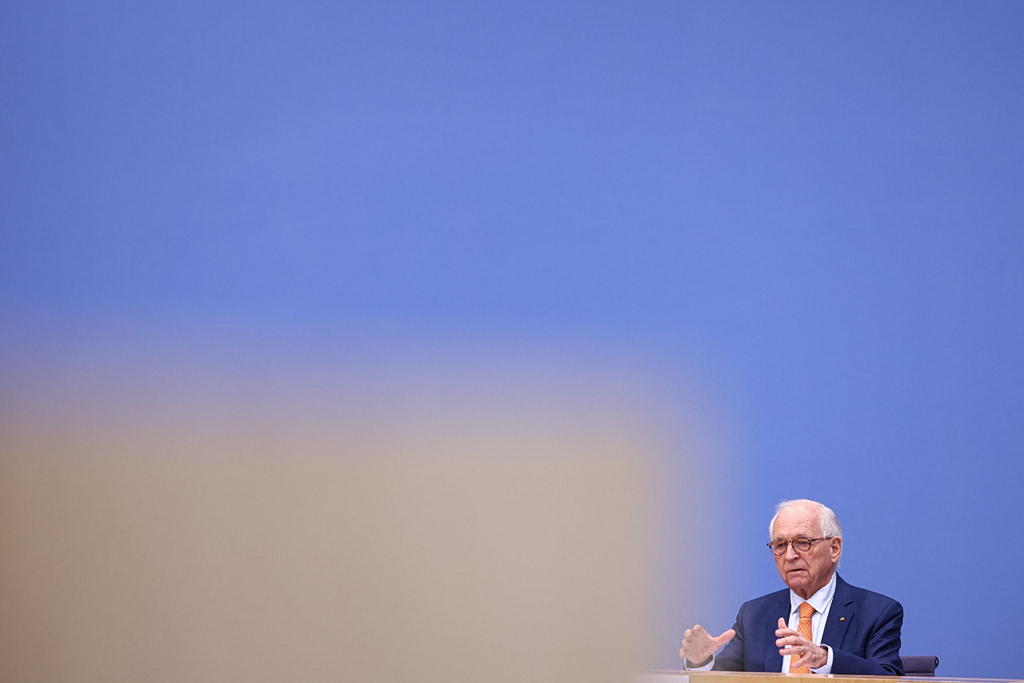
Munich Security Conference (MSC) Foundation Council President Wolfgang Ischinger attends a press conference on the Munich Security Report 2026, in Berlin, Germany, February 9, 2026. REUTERS/Liesa Johannssen
Who Will Be in Munich
Among those expected to attend are European Commission President Ursula von der Leyen, German Chancellor Friedrich Merz, NATO Secretary-General Mark Rutte, U.S. Secretary of State Marco Rubio and Ukrainian President Volodymyr Zelensky.
Rubio is set to lead what organizers have described as “a sizeable delegation” from Washington, including more than 50 members of Congress and the governors of Michigan and California. The scale of the U.S. presence is striking at a time when, as Ischinger has said, transatlantic relations are in “a considerable crisis of trust and credibility.”
According to Greek media reports, Prime Minister Kyriakos Mitsotakis will also attend. He skipped last year’s conference but is expected to participate this year, following a diplomatic push that will include a visit to Turkey and a meeting with Turkish President Recep Tayyip Erdogan.
The Shadow of Last Year’s JD Vance Speech
Last year’s conference cast a long shadow over this one.
In a speech that reverberated across European capitals, U.S. Vice President JD Vance accused European elites of suppressing free speech and “opening the floodgates” to mass migration. Rather than focusing primarily on efforts to end the war in Ukraine, he argued that the continent’s greatest threat came “from within,” not from Russia or China.
The address was met with silence in the hall and sharp criticism afterward. For many European officials, it crystallized a growing fear that Washington could no longer be counted on as a reliable security and trading partner.
That realization is central to this year’s debate, and to the report that frames it.
“Under Destruction”: What the Munich Security Report Argues
The Munich Security Report is not a set of policy prescriptions. It is an analytical document meant to shape and inform the conversations in Munich. This year’s edition places the changing role of the United States at the center of its diagnosis.
The report describes Europe as having entered “a prolonged era of confrontation.” Russia’s full-scale war of aggression and expanding hybrid campaign are said to be dismantling what remained of the post–Cold War cooperative security order. At the same time, “Washington’s gradual retreat from its traditional role as Europe’s primary security guarantor”, which has been reflected in its increasingly limited support for Ukraine and its threatening rhetoric towards Greenland, is heightening Europe’s insecurity.
European governments, it observes, are “torn between denial and acceptance,” striving to keep the United States engaged while “only cautiously moving toward greater autonomy.” They have formed flexible leadership coalitions, increased defense spending and continued to provide Ukraine with support. Yet “doubts persist as to whether these efforts are sufficient to compensate for the erosion of Pax Americana.”
The report also ventures into the political undercurrents shaping the West. “Most of Europe is watching the United States’ descent into ‘competitive authoritarianism’ with rising concern or even horror, wondering how resilient U.S. democracy really is,” it states.
More broadly, it warns that in many Western societies, political forces “favoring destruction over reform are gaining momentum.” Driven by resentment and disenchantment, they seek to tear down institutions in the belief that doing so will clear the path for renewal. The most powerful actor wielding this “bulldozer politics,” the report argues, is U.S. President Donald Trump.
For supporters, such politics promises to break institutional inertia and deliver breakthroughs. But the report questions whether this approach will produce “policies that will increase the security, prosperity, and freedom of the people,” or instead create “a world shaped by transactional deals rather than principled cooperation.”
In one of its starkest observations, the report cautions that “those who employ bulldozers, wrecking balls, and chainsaws are often cautiously admired if not openly celebrated.” In an era defined by demolition, it warns, “those who simply stand by are at constant risk of entombment.”