Μake us preferred on Google
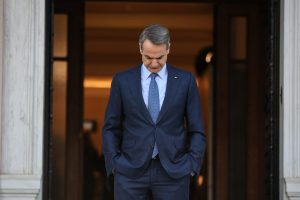
 Today marks six years since New Democracy’s landslide victory in the July 7, 2019 Greek elections—an event that ushered in the premiership of Kyriakos Mitsotakis. But instead of celebration, the ruling party finds itself navigating one of its most politically sensitive moments, as the weight of recent scandals overshadows what would otherwise be a milestone for Greece’s longest-serving post-crisis government.
A Government Under Pressure
Traditionally, such an anniversary would be an opportunity for reflection, public praise, and renewed commitment. However, the atmosphere around the Prime Minister’s office is marked by concern following revelations about alleged large-scale embezzlement of EU agricultural funds by officials linked to the ruling party.
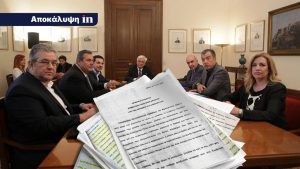
The scandal involving OPEKEPE, Greece’s payment authority for EU subsidies, has rocked the administration. Fears persist within the government that further disclosures may be imminent, with speculation of broader investigations by the European Public Prosecutor’s Office into other areas of public funding, such as digital transition initiatives and migrant support programs.
Celebrations Replaced by Damage Control
Instead of highlighting six years in power, government communication has shifted focus to the tenth anniversary of Greece’s 2015 referendum, a move seen by observers as an attempt to draw contrasts with the instability of that era. While the economy today shows signs of improvement—unemployment recently fell to 7.9%, and GDP growth remains steady—these achievements are being drowned out by the rising cost of living.
A recent Eurostat report revealed inflation in Greece climbed to 3.6% in June, placing the country among the highest in the eurozone. The sharp increase has undercut wage and pension gains and fueled public frustration.
Internal Struggles and Accountability Avoidance
Critics, including members of the ruling party, say the government now appears reactive rather than proactive, adopting a “buying time” strategy while scrambling to contain the fallout. Recent cabinet reshuffles, which included the removal of Migration Minister Makis Voridis and three deputy ministers, have done little to ease tensions. The firings, viewed by some as symbolic sacrifices, have sparked backlash from within the party itself.
Notably, Voridis has refused to accept the role of scapegoat, signaling that he will not support any move to refer his case to a judicial council through his own party’s parliamentary votes—further complicating matters for the Prime Minister.
Fatigue Among the Faithful
This isn’t the first time Prime Minister Mitsotakis has offered public apologies for controversies—previous cases include the Tempi train disaster and allegations of illegal surveillance. However, critics argue that repeated admissions of systemic failure have begun to lose their impact, especially with the government now entering its seventh year in power.
As one party insider put it, “Excuses about long-standing dysfunctions no longer convince anyone outside our shrinking core base.”