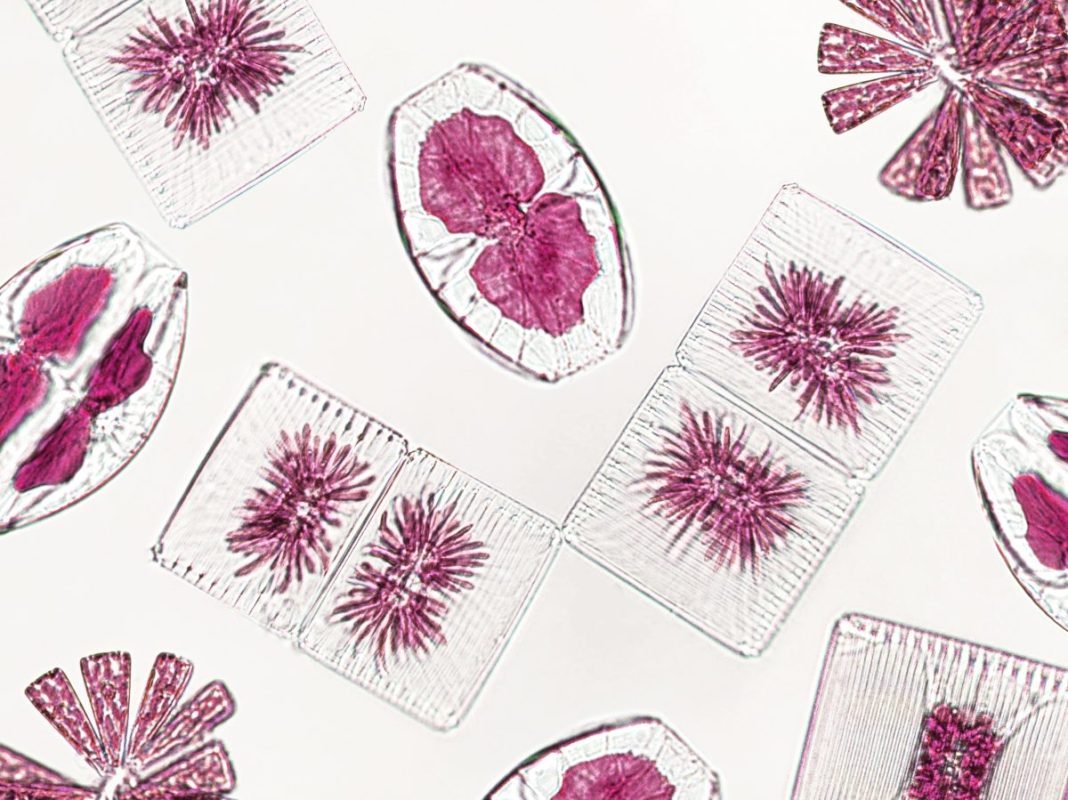
It is an invisible “army” made up of trillions of “soldiers.” An “army” that provides countless services to our body—because yes, it lives inside us. It helps with digestion and nutrient absorption, plays a crucial role in producing essential vitamins such as vitamin K and the B complex vitamins, raises a “shield” against pathogenic microorganisms, contributes to regulating the immune system, and is even linked to brain function and mental health, affecting our mood and neurotransmitter production.
168 Harmful Chemicals
Now imagine what it means for our physical and mental health if this “army”—our gut microbiome—is attacked, and in a stealthy way. That is the significance of a new study conducted by researchers at the University of Cambridge, which showed that not one, not two, but 168 different human-made chemicals were found for the first time to be toxic to the “good” bacteria in the human gut—the “guardians” of our body.
Most of these chemicals enter our bodies through food, water, and daily exposure to environmental factors, and until now, they were believed to have no effect on the gut microbiome, explained Dr. Indra Rou, the first author of the study, to VIMA-Science. The study was published in the reputable scientific journal Nature Microbiology. Dr. Rou is a postdoctoral researcher in the Department of Toxicology at the UK Medical Research Council (MRC), University of Cambridge.
The researcher emphasized that the chemical–gut bacteria interactions identified by her team are… dangerous. “As bacteria change their function trying to resist chemical pollutants, some become resistant to antibiotics like ciprofloxacin. If this happens inside the human gut, the result is antibiotic resistance and the ‘spread’ of resistant infections.”
This offers another previously unknown explanation for the “pandemic” of bacterial resistance to antibiotic treatments.
A New Model to Predict Toxicity
To reach these alarming conclusions, the researchers tested 1,076 chemicals in the lab on 22 species of gut bacteria. Based on their findings, they developed a new machine learning model that can predict which industrial chemicals—whether approved or under development—might be harmful to which of the approximately 4,500 different bacterial species that colonize the human gut.
We asked Dr. Rou which chemicals were the main “culprits” disrupting the gut microbiome and which bacteria were the primary “victims.” “Among the main chemical groups shown to have toxic effects on gut bacteria were pesticides such as herbicides and insecticides used on crops, as well as industrial chemicals like flame retardants, widely used to reduce flammability in plastic components of electronics and cars, building insulation materials, fireproof clothing, upholstery, curtains, and furniture, mattresses, and more.”
The “Culprits” and the “Victims”
For example, these include the flame retardant tetrabromobisphenol A (TBBPA) and the plasticizer bisphenol AF (BPAF). “We were surprised by these results because these substances are supposedly designed not to affect human biological systems. We also observed a strong impact on the gut microbiome from certain chemicals such as closantel, an antiparasitic for cattle. Overall, many of the chemicals we examined are currently in use worldwide—some are under development—and some are even found in the human body, as a German study in pregnant women showed.”
Regarding the gut bacteria most affected by chemicals, the researcher said they were mainly those in the order Bacteroidales, which includes some of the most important species in a healthy gut microbiome. These bacteria perform many beneficial roles for health, such as producing short-chain fatty acids (SCFAs), which are a major energy source for gut cells, help reduce blood cholesterol and glucose, and lower the risk of various diseases.
Dr. Rou emphasized that today, chemical safety assessments do not include checks on the impact on the gut microbiome, based on the assumption that each chemical is designed to target a specific function—a logic that this study proves is flawed. “We discovered for the first time that many chemicals designed to act on a single target, such as insects or fungi, also negatively affect gut bacteria. The strength of our study is that, through the machine learning model we developed, we can now predict the effects of new chemicals on the gut, aiming for a future where chemicals are designed to be safe for gut bacteria. In light of the new data, safety assessments for new chemicals should include the health of the human gut.”
Safety Advice for the Public
Of course, as Dr. Rou admitted, this study was conducted in the lab, and its results cannot be directly translated to real-world effects. The next step for the research team is to collect and analyze real-world data to determine the effects of common chemicals on the human gut.
Until then, what should we do? We asked Dr. Rou: “The easiest and most immediate measures are to wash fruits and vegetables thoroughly before consumption, avoid using pesticides in our gardens, and have a good water filter if we live in areas with high pollution levels.”
Small actions of vital importance—for our gut microbiome and beyond—to help cleanse ourselves, as much as possible, from the chemical world around us.