A recent study from South Korea suggests that a common bacterium responsible for tooth decay may also silently damage the brain, offering new insights into Parkinson’s disease.
Researchers from Seoul National University College of Medicine, Pohang University of Science and Technology, and Sungkyunkwan University published their findings in Nature Communications. They discovered that when the bacterium Streptococcus mutans colonizes the gut, it produces substances that can enter the bloodstream and reach the brain, targeting neurons responsible for movement.
How the Bacterium Affects the Brain
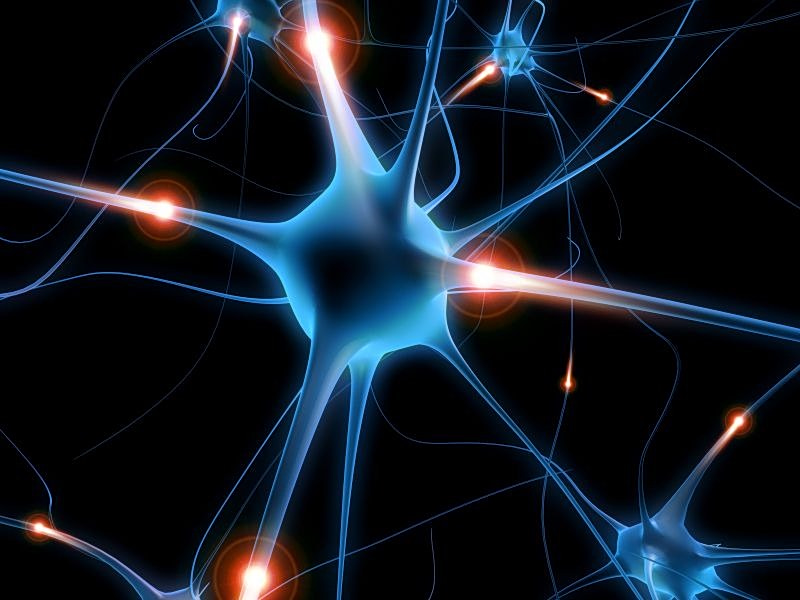
The study found that S. mutans produces an enzyme called UrdA and a metabolic byproduct called ImP (imidazole propionate). Both compounds were elevated in the intestines and blood of Parkinson’s patients. ImP travels to the brain, contributing to the loss of dopamine-producing neurons and triggering inflammation.
Experiments in mice confirmed these effects. Introducing S. mutans into the gut or engineering E. coli to produce UrdA increased ImP levels in the blood and brain. The mice then displayed key Parkinson’s features: neuron damage, brain inflammation, motor difficulties, and accumulation of α-synuclein, a protein linked to disease progression.
Further tests revealed that these harmful effects depended on activating a protein complex called mTORC1. Mice treated with an mTORC1 inhibitor showed reduced brain inflammation, less neuron loss, decreased α-synuclein buildup, and improved motor function.
Implications for Treatment and Prevention
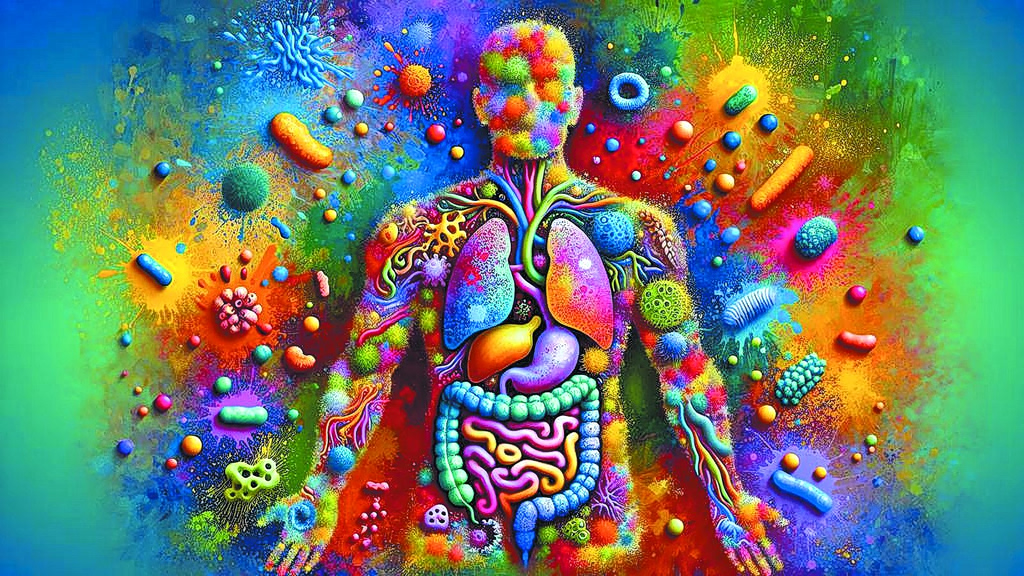
The findings highlight the critical role of the mouth-gut-brain axis. Maintaining oral hygiene and gut health may not only protect teeth and digestion but also reduce the risk of neurodegeneration. Future therapies targeting gut and oral microbiota could offer new approaches for preventing or slowing Parkinson’s disease.