A pioneering Spanish program that uses DNA analysis to fight child trafficking has restored the identity of nearly 4,000 children across 16 countries over two decades, while also preventing more than 300 illegal adoptions, offering a powerful new tool in the global fight against child trafficking.
The DNA-ProKids program, created in 2004 at the University of Granada, is now recognized as one of the most successful international initiatives for uncovering the true identity of children who have fallen victim to trafficking, abduction, or illegal adoption rings.
Marking World Day Against Trafficking in Persons on July 30, program officials noted that rescuing a child is only the beginning. Without identifying the child and locating their biological family, many of their basic rights remain effectively unmet.
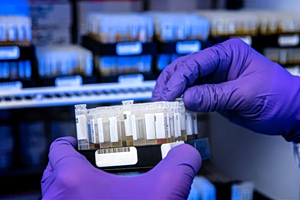
Since it began operating, DNA-ProKids has carried out more than 20,000 genetic analyses, leading to nearly 4,000 positive identifications and helping prevent hundreds of illegal adoptions that would have effectively legitimized child trafficking.
The program works by comparing the genetic profiles of unidentified children with DNA samples from relatives searching for missing children. When a genetic match is found, authorities can confirm the relationship and move forward with reuniting the family.
The same technology is also used to check the legitimacy of adoptions. Genetic testing can confirm whether adults claiming to be a child’s parents are in fact the biological parents, helping expose illegal rings that exploit minors.
José Antonio Lorente, the program’s founder and a professor of forensic medicine at the University of Granada, stressed that rescuing a child is only the first step. Without knowing who the child is and where they came from, it’s impossible to fully restore their rights or give their family a real chance of finding them again.
Over its more than twenty years of operation, DNA-ProKids has worked with governments, police forces, prosecutors, universities, and specialized labs around the world. Despite its impressive results, the program’s creators point out that genetic identification still hasn’t been systematically built into international policies for tackling child trafficking.
For that reason, they are calling for unified international protocols for collecting, storing, and comparing genetic data, so the technology becomes a standard tool for authorities rather than an isolated initiative.
According to international organizations, children make up roughly a third of all human trafficking victims worldwide, and many end up in networks tied to sexual exploitation, forced labor, or illegal adoption. The success of DNA-ProKids shows that science can play a decisive role not just in solving crimes, but in restoring the lives of thousands of children who lost their identity and their families.