 Μake us preferred on Google
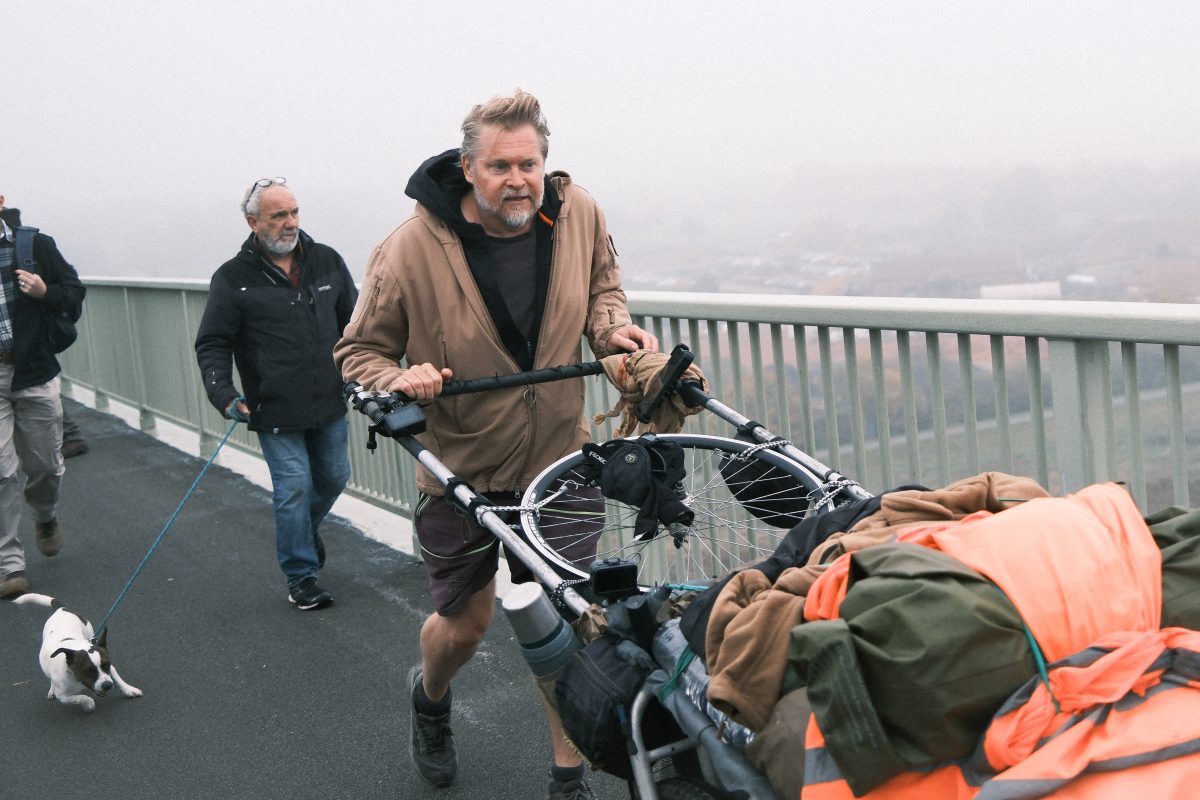
On 2 November 2026, a remarkable chapter in the history of modern exploration came to an end. Karl Bushby, the British adventurer who left Punta Arenas, Chile, on 1 November 1998 with the ambition of walking all the way home to Hull, finally reached his mother’s front door after 28 years on the road.
His mission was governed by two uncompromising rules: he would not use transport to advance his journey, and he would not return to the UK until he had completed it. What followed was an extraordinary 50,000-kilometre expedition across four continents and 29 countries, involving some of the world’s most inhospitable environments.
He crossed the Darién Gap, traversed Siberia, negotiated the frozen Bering Strait and swam across the Caspian Sea. His final great challenge came in October 2026, when he completed a multi-day swim across the English Channel, reaching British soil for the first time in almost three decades.
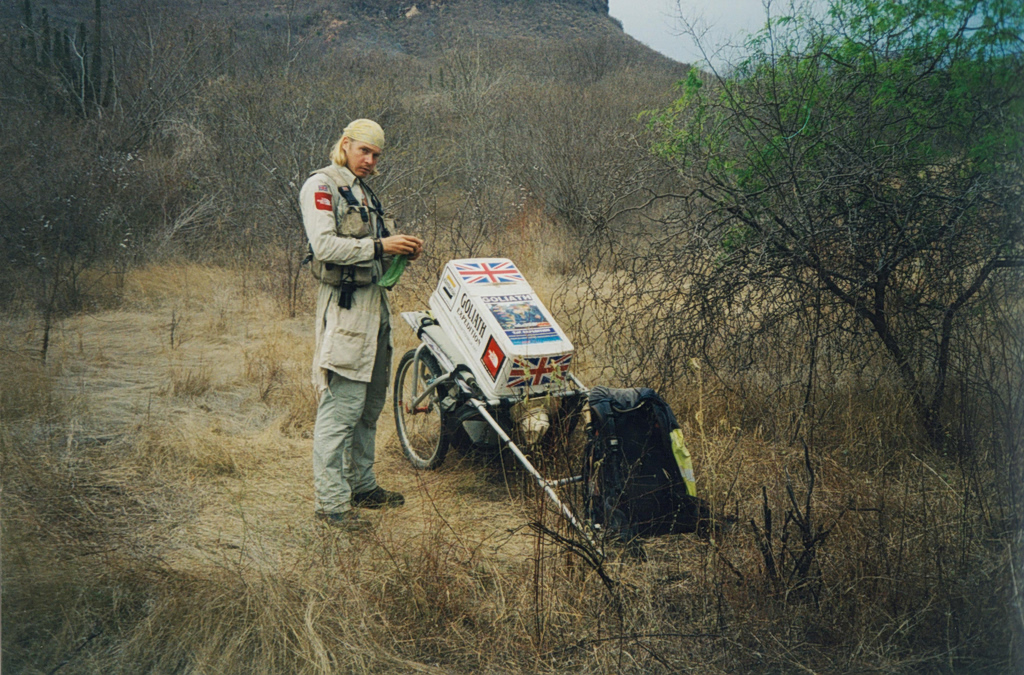
Karl Bushby in Mexico Nogales, 2002.
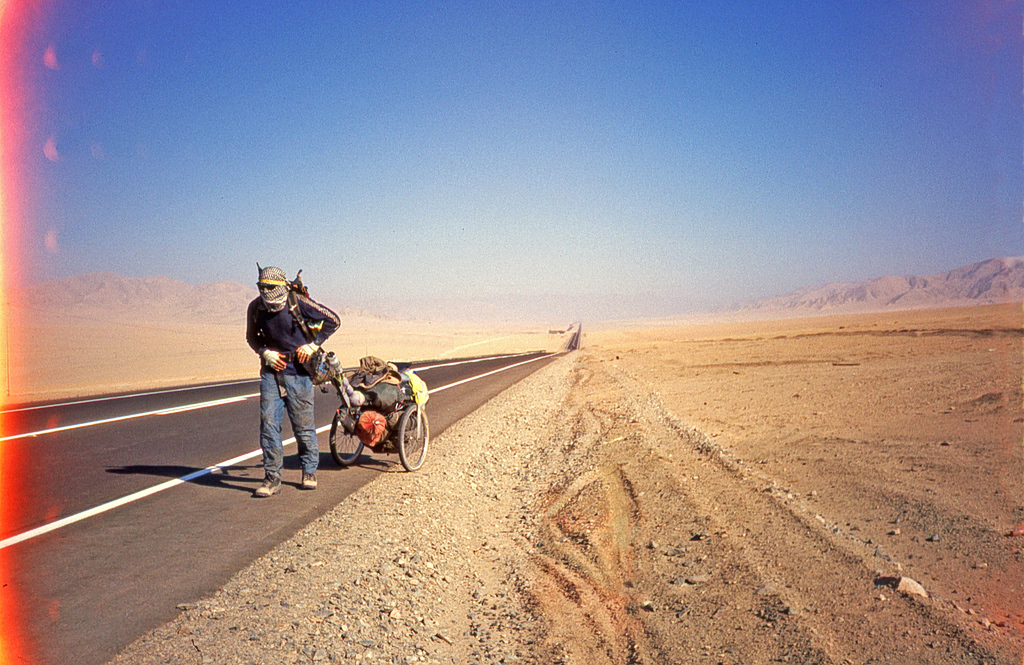
Chile 1999: Karl Bushby on his trek around the world.
On his arrival in Hull, crowds gathered to welcome him before he continued the final miles to his mother Angela’s home in Sutton Park. The reunion was emotional. His mother, who had not seen him for ten years, greeted him with the words: “Where have you been?”
Now, with his extraordinary mission completed, Bushby has announced that he is hanging up his walking boots. But what does life look like after spending almost half of it pursuing a single dream?
In this exclusive interview with TO VIMA, he opens up about the extraordinary experience, the people who helped him along the way and the difficult question of what it really means to come home.
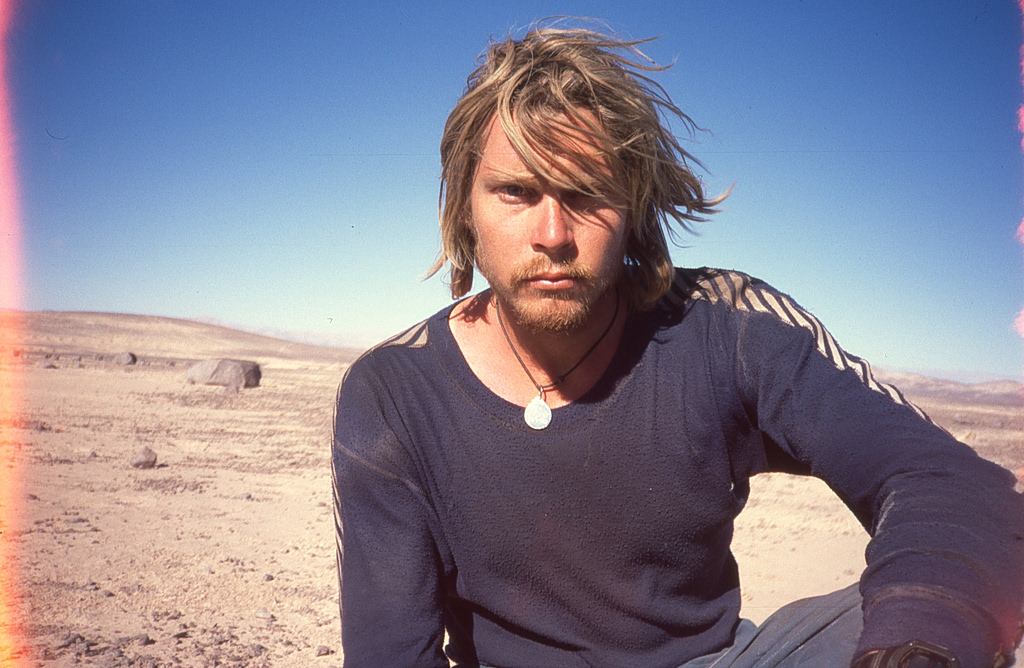
Karl Bushby in Chile, 1999.
You finally stepped onto British soil on 5 October. What went through your mind when you saw your father and brothers waiting for you?
The first feeling was enormous relief. The Channel swim had been physically and mentally demanding, particularly because I’m not a swimmer. Getting that final major challenge out of the way was a huge relief.
Seeing my father and brothers was an interesting experience. They all looked so much older. I hadn’t seen one of my brothers since he was a small child. There was so much happening that it was difficult to process emotionally.
Later, when I was at the hotel and saw Dover Castle and the Union Jack flying, I began to realise that I was home. I also felt incredibly lucky that the weather had been so favourable. It was an emotional roller coaster.
When you left Chile in 1998, what were you really searching for? Did you imagine the journey would take 28 years?
I wasn’t really searching for anything. I had a mission and a plan. I believed it was possible, while the world was telling me it couldn’t be done.
I was nobody at the time. I wasn’t an experienced long-distance walker or traveller. I was just a young man with an incredibly ambitious idea. My attitude was essentially: “Watch me do this.”
I’ve always had an affinity for horizons and a desire to get out and see the world. But I needed an objective, something that would demonstrate what we are capable of achieving.
The price of an extraordinary dream
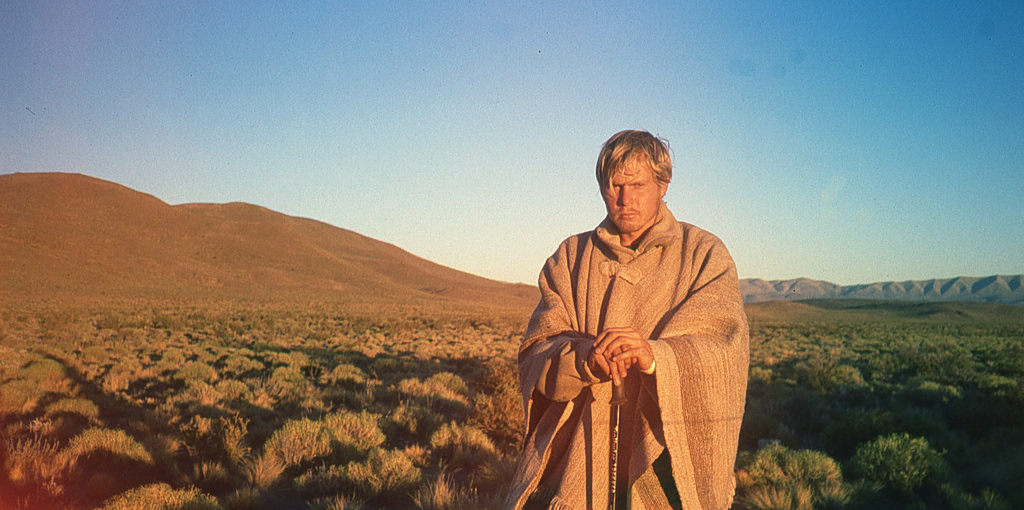
Karl Bushby pictured in Argentina, 1999.
You dedicated almost half your life to this expedition. What was the greatest personal sacrifice?
The family issue is difficult. There is a lot of guilt involved, and that burden gets heavier over time.
We were mentally prepared for the consequences. Before leaving, I wrote in my diary that we would go out there, fall in love with the journey and get hurt because nothing was going to stop us.
You have to accept certain things and carry them with you. The people who pay the highest price for your ambitions are often the people you love. But we knew that from the beginning.
Was there ever a moment when you genuinely thought you might abandon the expedition?
No, there hasn’t been one. We’ve never really had that moment. Our approach has always been: what do we do next, and how do we get around this obstacle?
There were enormous challenges, including the Russian visa restrictions, the Bering Strait and the English Channel. Sometimes an obstacle looks completely insurmountable.
But eventually, you start chipping away at it, piece by piece. We’ve always managed to find a way forward. We had an almost delusional confidence that, if we kept pushing and trying, we would eventually figure things out.
The greatest battle was in the mind
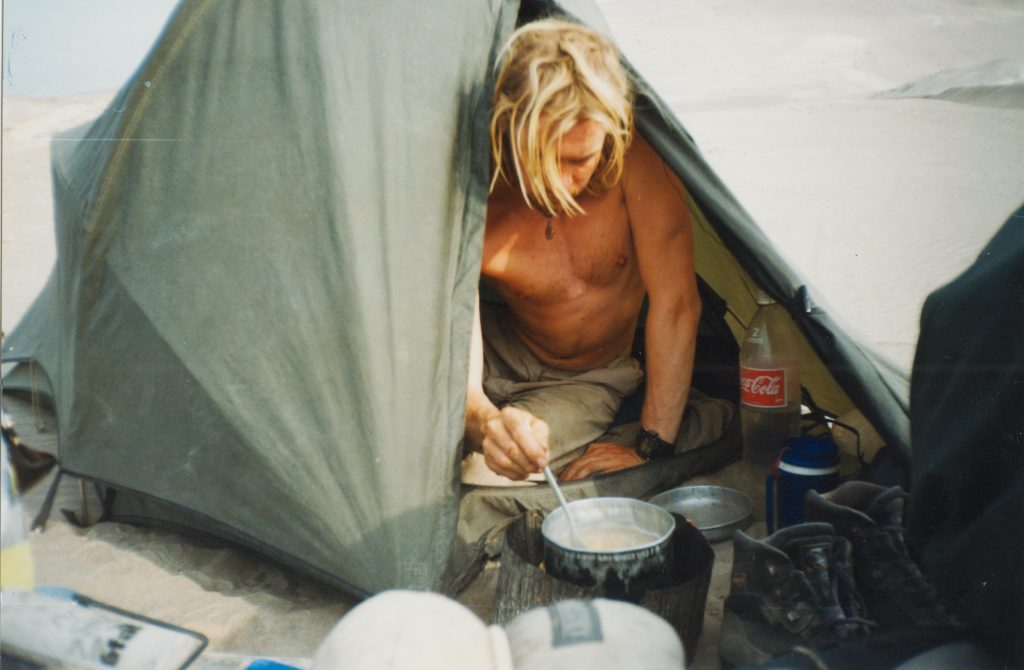
Karl Bushby in Peru, 2000.
Has the expedition taught you that endurance is more psychological than physical?
Absolutely. We always understood that this was more of a mental battle. That’s why we reversed the original route and started in South America rather than walking away from the UK. Every step would bring us closer to home, giving us a psychological advantage.
Your body can usually go further than your mind allows you to believe. The endless distances, months in deserts such as the Atacama and the unchanging landscapes of Mongolia and the Arctic can take their toll.
Human beings are social creatures, and isolation affects you in strange ways. I certainly felt its effects during parts of the journey.
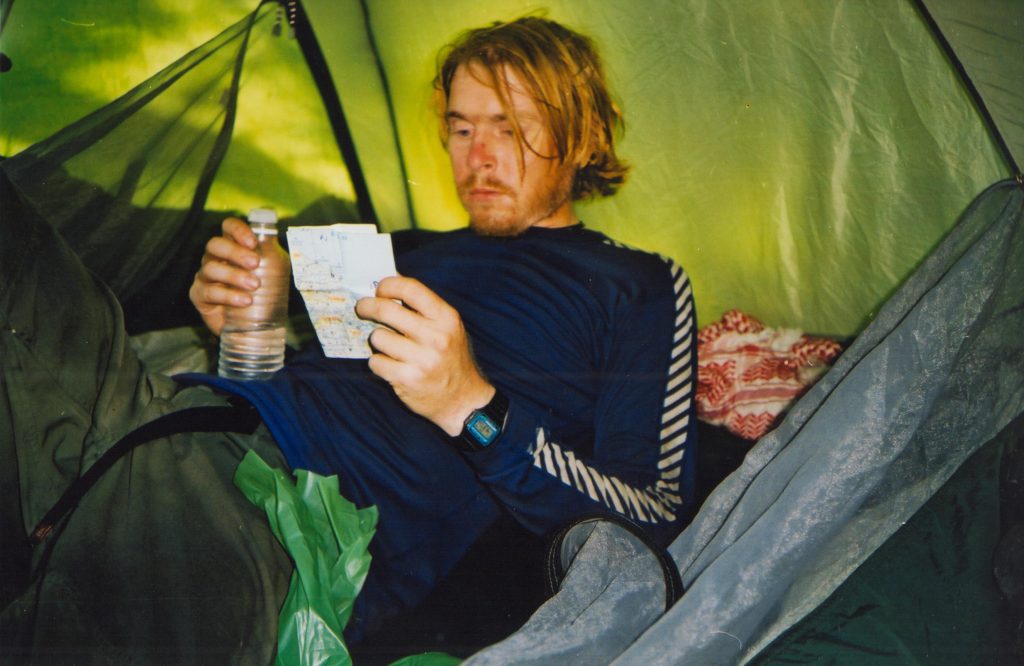
Karl Bushby in Costa Rica, 2001.
What has travelling through so many countries taught you about human nature?
One of my greatest takeaways is that I’ve re-established my faith in humanity.
From the earliest days, complete strangers helped us. Their kindness was absolutely critical in keeping me moving forward.
I always tell people that I’ve met 99.99999 per cent of the very best of humanity. Across different cultures and countries, people laugh at the same jokes and want the same things. The cultural differences can seem surprisingly small.
You become indebted to the world after so many people have helped you. This is something I particularly want to communicate to children: people are generally much better than we sometimes imagine.
A world transformed
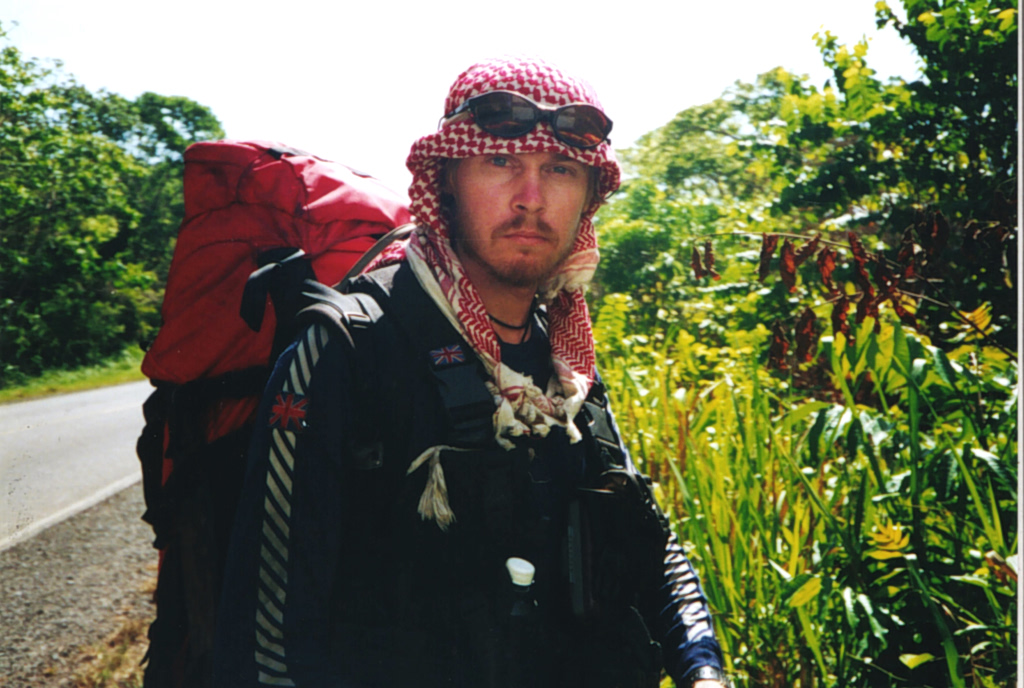
Karl Bushby in Panama, 2001.
You began your journey in 1998, before smartphones and social media. How different is the world today?
The transformation has been enormous. We’ve lived through one of the most significant changes in human history: the digitalisation of society.
When I started, we used paper maps, basic GPS equipment and a cheap camera with rolls of 35mm film. The first photographs I took disappeared in the post and never made it home.
I spent much of Latin America listening to cassette tapes on a Walkman. Later came digital cameras, MP3 players and, eventually, my first iPhone in 2013. That changed everything. Suddenly, a phone became a tool for communication and navigation.
Today, I can even have an intelligent conversation with my Apple MacBook Pro. We’ve gone from paper maps to the age of artificial intelligence. It’s been fascinating to witness that transformation from the road.
After crossing continents, did you expect reaching Britain to prove so complicated?
Not at all. We had hoped to use the Channel Tunnel, but the company Getlink was unwilling to allow it. Swimming was always our alternative, but we discovered that swimming from France was illegal.
We became involved in a complicated political situation involving the French authorities, the swimming organisations and the Channel crossing arrangements.
Eventually, we managed to resolve everything. We had very little time to prepare, and there was no proper training for the swim. Fortunately, we had experience from the Caspian Sea.
The first stage lasted almost ten hours, followed by another seven hours the next day. Overall, I spent around 20 hours swimming. We were incredibly fortunate with the weather. The captain of our support vessel said he’d never seen the water so calm.
For someone who isn’t a swimmer, it was an incredible experience. Everything came together.
What does home mean now?
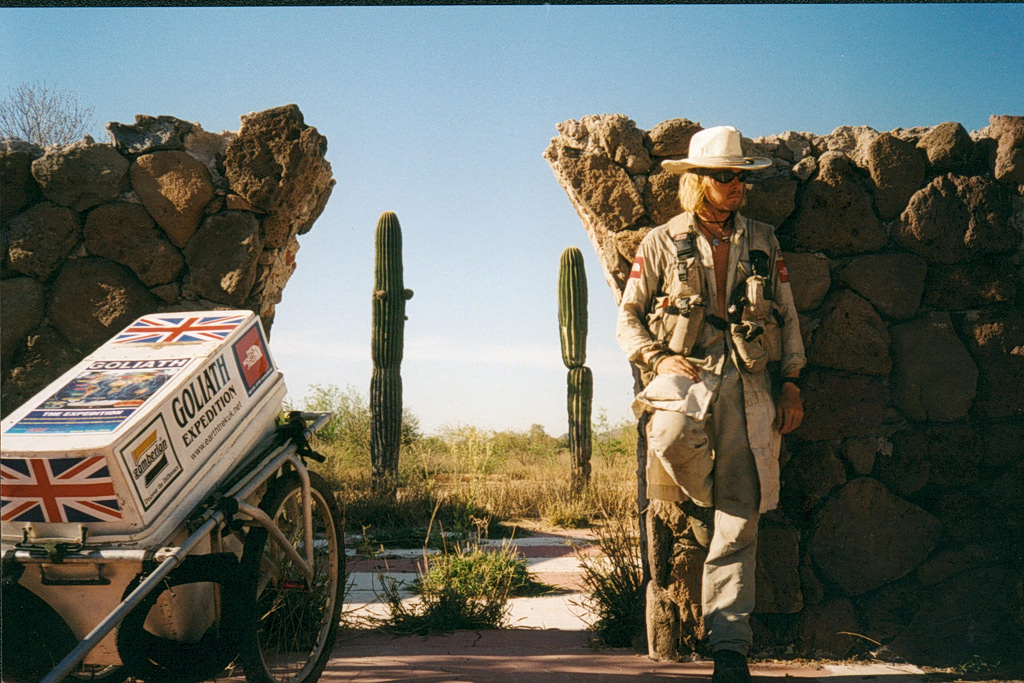
Karl Bushby in Mexico, 2002.
After 28 years, are you looking forward to settling down in Hull?
I’m not entirely sure what home means to me anymore. There are places around the world, outside the UK, that feel more like home.
I’ve always considered myself a tropical person. I’ve even said that I would never ultimately live above 30 degrees latitude!
My mother’s house is my childhood home. I left when I was 16 to join the British Army, and I’ve spent most of my adult life away. My connection to Britain is largely through my family.
I would love to have a home and settle down eventually. But where and when that will happen, I honestly don’t know.
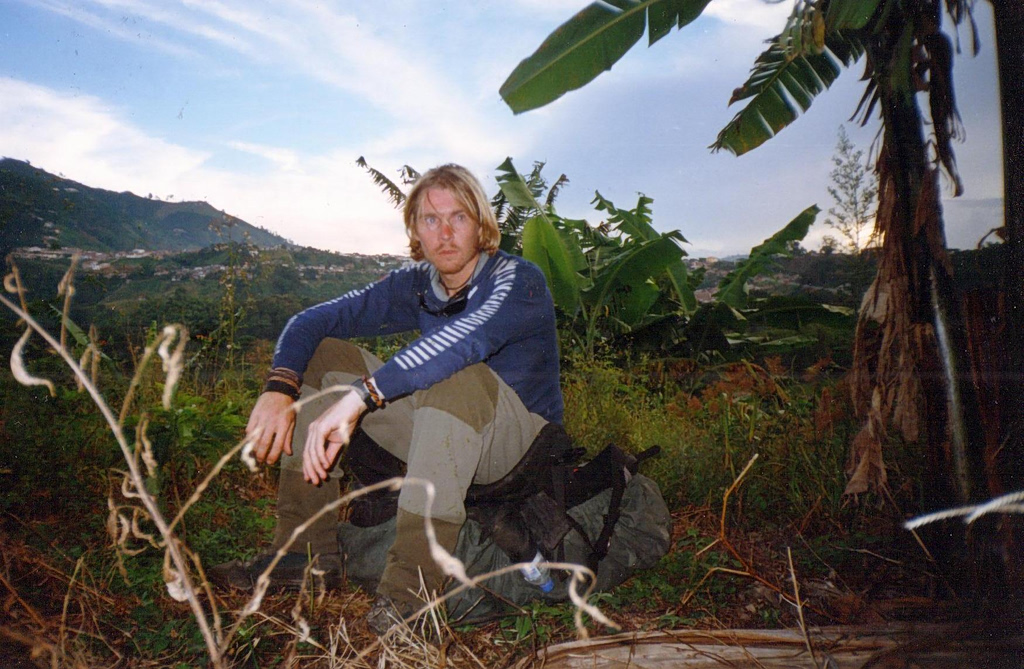
Karl Bushby in Colombia, 2000.
What would you like to say to your mother and the people who waited for you?
It’s a difficult conversation. My family has always understood what I was trying to achieve and supported me, but there is a lot of distance between us.
I’m not as close to them as I once was, and even with my mother, I sometimes feel that distance. We communicate through modern technology, but there is still a lot of ground to cover when it comes to getting to know each other again.
Before leaving, I explained that if someone died, I wouldn’t be there for the funeral because I had made a commitment not to return until the journey was complete. They understood and accepted that. That was the level of commitment involved.
How do you imagine life after completing the Goliath Expedition?
My purpose in life is about to end quite abruptly, so I think there will be an identity crisis.
There is a book to write, speaking engagements and a documentary being produced about the journey, Walk of Life, directed by Werner Herzog.
But my other great passion is science literacy and science engagement. If I could choose, that’s what I would spend the rest of my life doing.
I think the solution is to find another mission, another passion. Perhaps another impossible mission. I need to get busy with something that gives me purpose again.
The ultimate lesson
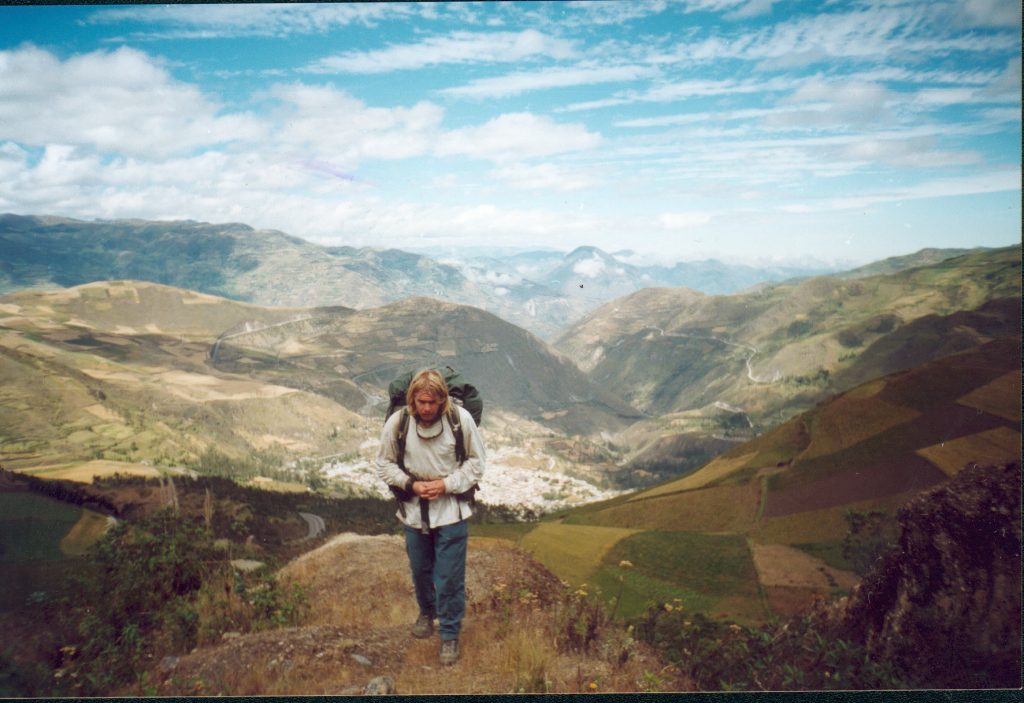
Karl Bushby trekking through Ecuador, 2000.
What would you say to people who dream of doing something extraordinary but never dare to take the first step?
I think people underestimate themselves enormously. They often live within very small circles: work, home, the pub, the football ground. Even their dreams remain inside those boundaries.
I understand that people have responsibilities and difficult circumstances. I’m not here to lecture anyone. But I do believe we are capable of much more than we imagine.
I’m not physically or mentally superior to most people. I’m probably average or below average in many respects. What I had was confidence, a clear objective and an enormous desire to take on a challenge.
People should allow themselves to dream bigger and not be afraid to colour outside the lines.
After 28 years, Karl Bushby has finally reached the destination he set himself in 1998.
But, as his answers make clear, the end of the journey may also be the beginning of another.
The man who spent almost three decades walking towards home must now discover where he truly belongs.
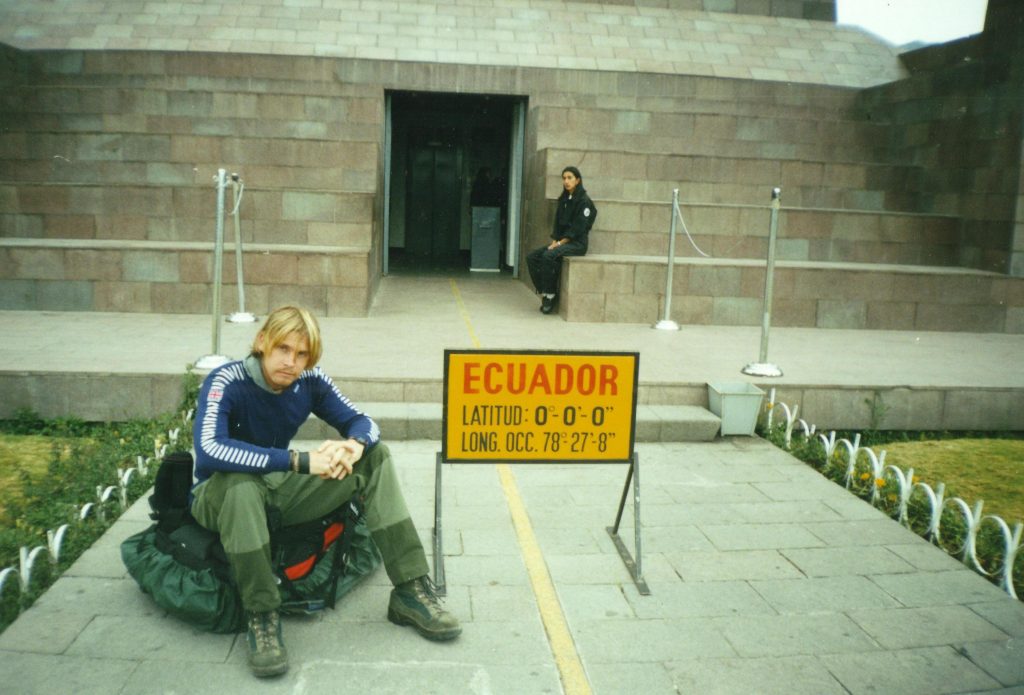
Karl Bushby in Ecuador, 2000.