
 Μake us preferred on Google
The U.S. attacked Iran’s Qeshm Island on Monday, U.S. officials said, in the latest of a series of limited strikes Washington has secretly carried out against the country in recent weeks as President Trump touted the possibility of a diplomatic deal.
The assault follows comments by Trump playing down the possibility of a return to war with Iran after Tuesday’s midterm elections.
“We had a war with Iran. We won,” Trump told reporters Monday. “I don’t know if you even call it a war because we haven’t been doing any fighting for months.”
But the U.S. has been engaged in smaller-scale strikes against Iran for several weeks, officials said, with explosions reported around Qeshm island on Monday on social media. Some of the officials described the assaults as defensive in nature to prevent Iran from having the freedom to attack commercial ships in the Strait of Hormuz.
In one instance on Monday, Iran’s Islamic Revolutionary Guard Corps fired a surface-to-air missile at a U.S. jet fighter, which fired back in self-defense, the officials said. In a separate incident the same day, U.S. forces intercepted an IRGC missile that originated out of Qeshm and was targeting commercial shipping, one of the officials said.
Unlike earlier in the war, the U.S. hasn’t publicly announced the attacks.
The U.S. has been purposefully keeping the campaign quiet so as not to signal any intention of resuming major combat operations, one official said.
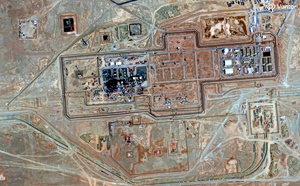
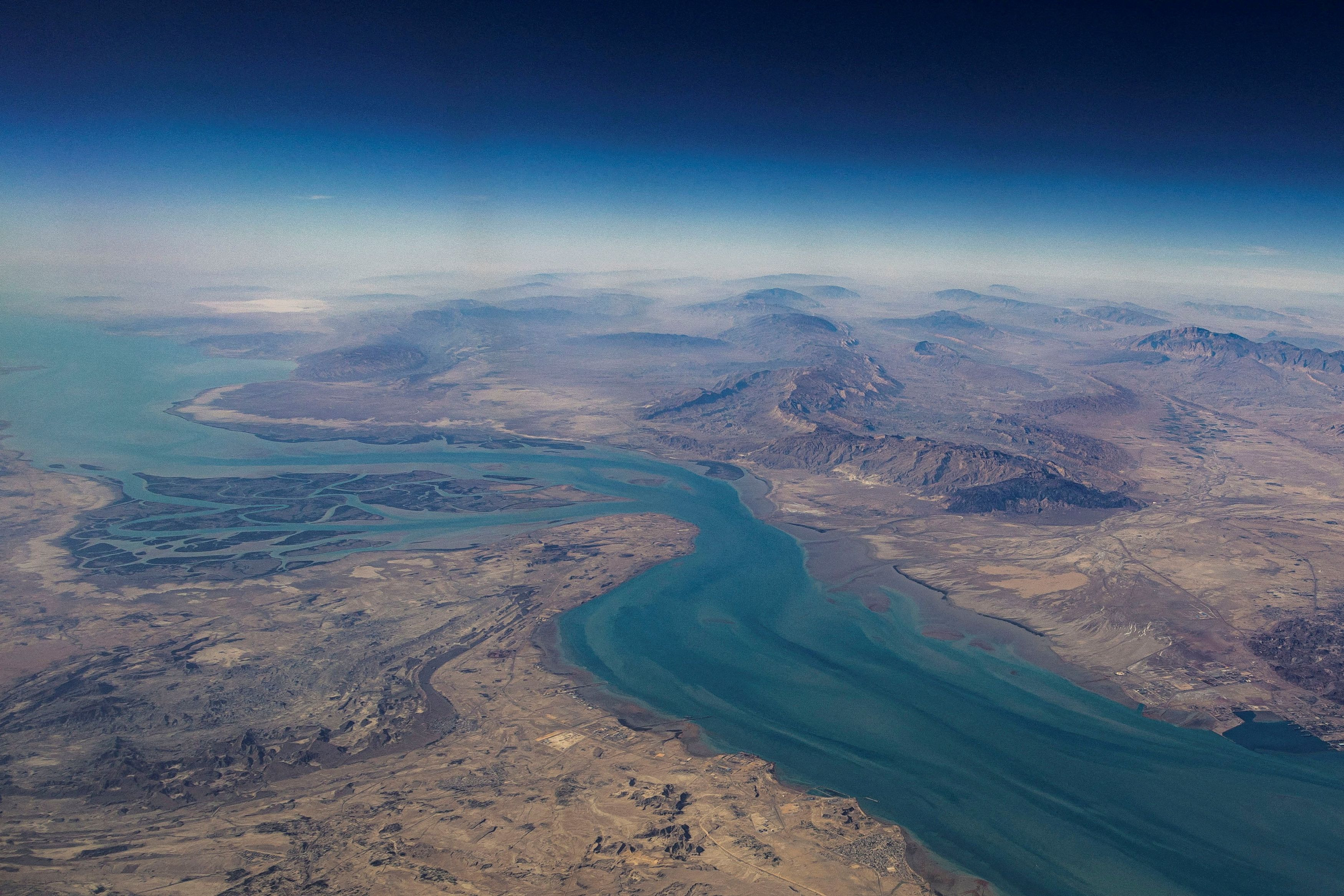
Qeshm is an island at the mouth of the Strait of Hormuz and is home to a large underground missile site as well as a naval base and a major desalination plant. The U.S. has previously targeted the island in earlier rounds of the fighting, and officials have discussed seizing it.
The Defense Department referred questions to U.S. Central Command, which didn’t immediately respond to a request for comment. A U.S. official said the administration is consistently addressing threats to American forces in the region.
Iran’s Foreign Ministry spokesperson Esmail Baghaei told reporters Monday in Tehran that “the ball is in the U.S. court” on any prospective deal to end the war. “Our demands have been stated very clearly and transparently, and Iran’s demands are reasonable and logical.” Other Iranian officials, including Supreme Leader Mojtaba Khamenei , have said Iran would retaliate within and beyond the Middle East if the U.S. reignited the conflict.
For weeks, Trump has said the U.S. might return to all-out war against Iran after the midterm elections. Senior members of the administration have debated the merits of additional airstrikes and presented Trump with multiple options , including tightening economic sanctions and the blockade on Iranian trade.
Adm. Brad Cooper, the Centcom chief, visited the White House last week to brief Trump on the conflict, The Wall Street Journal reported. Centcom has laid the groundwork for broader strikes, including moving more missile defenses and munitions into the region in recent weeks.
The U.S. has already told Gulf nations to prepare for a short and intense operation shortly after the election, the Journal reported.
But Trump toned down his rhetoric in the hours before the first in-person votes. He and Vice President JD Vance said that continuing negotiations to dismantle Iran’s nuclear program might work, while Trump added on social media that oil prices are dropping because “people feel” there won’t be renewed war with Iran.
Asked by reporters on Monday if he was considering striking Iran after the midterms, Trump replied “no,” although administration officials said the president was still weighing all his options.
Write to Alexander Ward at alex.ward@wsj.com , Lara Seligman at lara.seligman@wsj.com and Shelby Holliday at shelby.holliday@wsj.com