
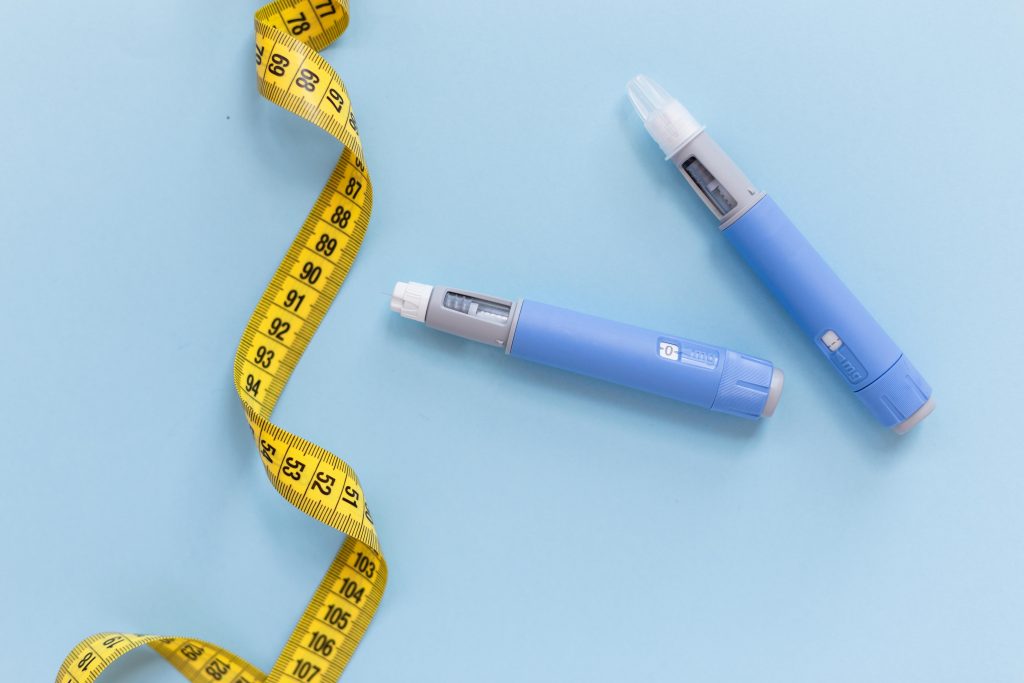

Beginning in September, Greece will introduce free medication for individuals with obesity, as part of a broader national strategy to expand preventive healthcare services. The announcement was made by Deputy Minister of Health, Eirini Agapidaki, who detailed new measures to promote public health and increase access to care across the country.
Free Obesity Treatment for High-Risk Individuals
The initiative will provide innovative pharmaceutical treatment at no cost for individuals with a Body Mass Index (BMI) over 40. This treatment will be available only after mandatory medical evaluation by a pathologist, endocrinologist, or general practitioner.
Importantly, the medication will be offered alongside a required program of nutritional monitoring and physical activity. The goal, according to the ministry, is not only treatment but also long-term lifestyle changes to support lasting health improvements.
New Digital App to Encourage Exercise and Healthy Habits
In a related effort to address both adult and childhood obesity, a new digital application will be launched. The app, which will be free to use, will include video exercise programs suitable for the whole family. It aims to encourage healthier daily routines through interactive and accessible content.
Preventive Health Program Expands
Deputy Minister Agapidaki also reiterated the importance of the national preventive health program, “Prolamvano,” which offers free health screenings through the preventive website in Greece https://preventive.gov.gr. Access to the program is available to all Greek residents using their national ID number (AMKA).
Once a citizen completes an initial examination, the system automatically issues the next referral without any further action required. The platform shows which tests each person is eligible for and guides them through the process with minimal delay.
Focus on Early Detection of Kidney Disease
A new blood test aimed at the early detection of kidney dysfunction will be added to the program, particularly targeting individuals with diabetes or high cardiovascular risk. As early kidney damage typically presents no symptoms, timely testing is considered critical.
According to Agapidaki, 3.6 million citizens have already undergone screenings through the program. “For the first time, Greece is building a culture of prevention,” she said. “We go when we feel well—not when symptoms appear. Prevention is the gift we must not neglect.”
Clarifications on Cancer Marker Prescriptions and Access Issues
In response to public questions about cancer marker prescriptions, Agapidaki clarified that these tests are not part of preventive care but are used to monitor patients already diagnosed with cancer. Therefore, they can only be prescribed by oncologists, not general practitioners.
Regarding the lack of diagnostic centers under the public health system on the island of Kos, the deputy minister attributed the issue to a coordinated withdrawal by private labs aiming to renegotiate contracts. In response, the government has reinforced the local hospital and plans to deploy mobile health units to meet residents’ needs.