 Μake us preferred on Google
 Following reports of attacks attributed to jackals without sufficient evidence, the Callisto organization stresses that the jackal is a misunderstood species that almost never threatens humans and plays an important role in the ecosystem.
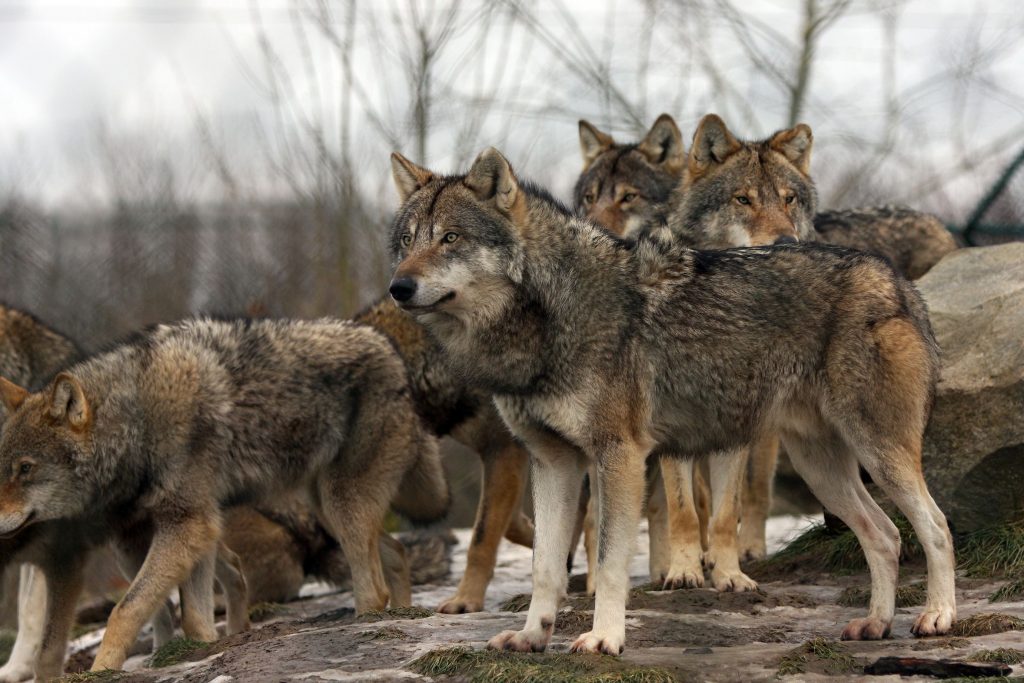
According to the organization, people often confuse jackals with young or small wolves, especially in the summer, when wolves shed their thick, long winter coat.
The jackal (Canis aureus) is wary of humans and usually avoids them. Recorded cases of jackals injuring people are extremely rare worldwide, the announcement stresses.
As with wolves, the presence of a jackal near a residential area does not mean it is going to attack people.
Jackals feed mainly on small mammals, birds and eggs, grapes, olives and other fruits, as well as carcasses or garbage that they often find near settlements.
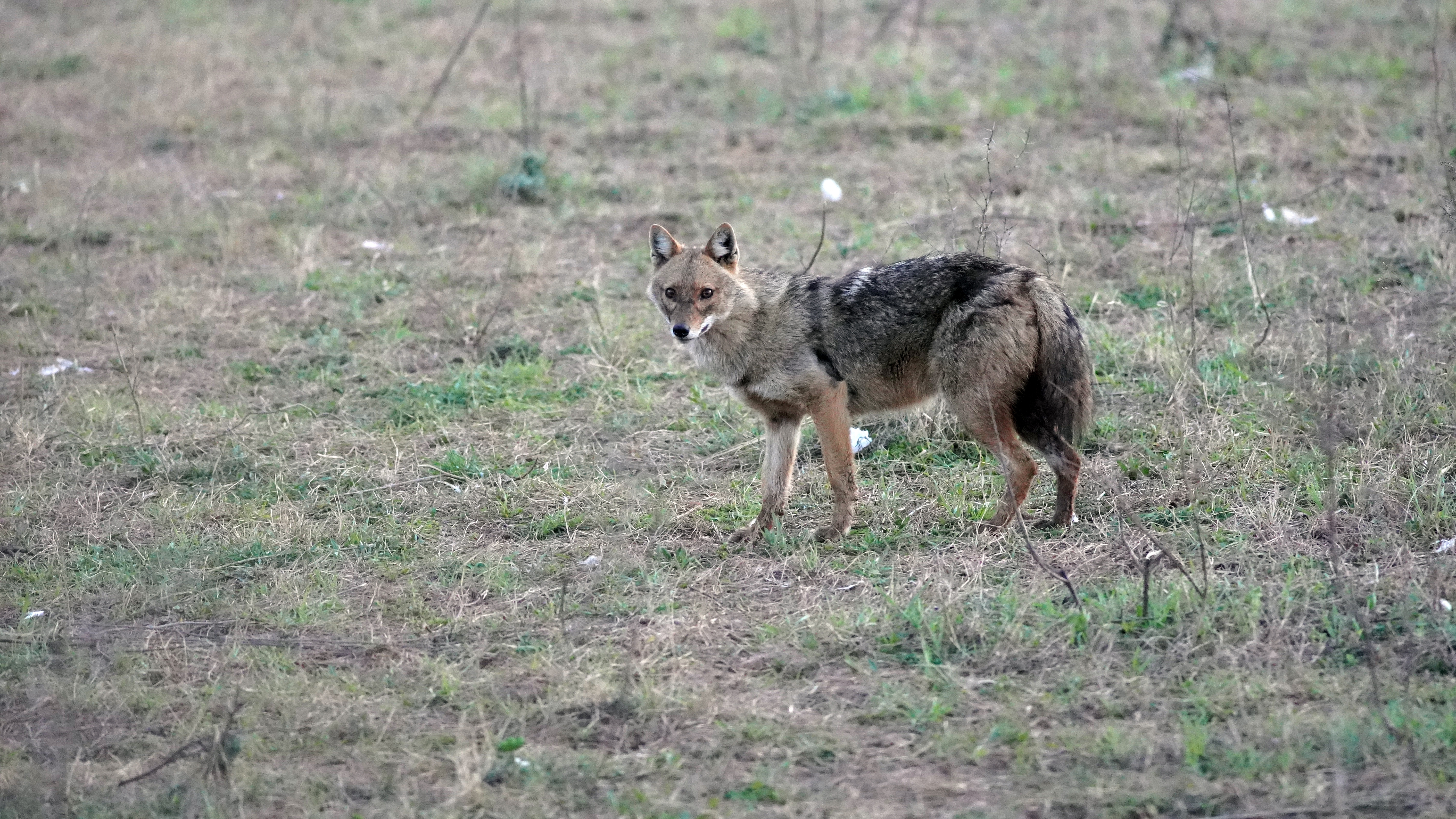
To help identify the species, the organization notes that the jackal is roughly the size of a medium-sized dog and noticeably smaller than a wolf.
It has a grayish-yellow or reddish coat, a darker back, and a distinctive tail with a black tip.
Jackals communicate with loud calls and howls, mainly in the evening hours, with a sound that resembles crying or a human voice.
According to Callisto, the jackal helps control other species and consumes dead animals and organic waste.
“We don’t need to fear it. We need to get to know it,” the post concludes.