What if your own hair could save your teeth?
At first, the idea sounds unusual, but researchers at King’s College London have found that keratin—a protein naturally present in hair and skin—has the potential to repair tooth enamel and stop the early stages of decay.
How it works
When keratin is applied to the surface of a tooth and comes into contact with minerals naturally found in saliva, it forms a crystalline framework. Over time, this framework attracts calcium and phosphate ions, gradually developing a protective layer similar to natural enamel.
This is significant because enamel erosion is a widespread problem, caused by acidic foods and drinks, poor oral hygiene, and aging. Once enamel is damaged, teeth become sensitive, painful, and prone to cavities or even tooth loss.
A natural alternative
Sara Gamea, PhD researcher at King’s College and lead author of the study, highlighted keratin’s potential to replace synthetic dental materials:
“Keratin offers a transformative alternative to current dental treatments. This technology bridges biology and dentistry by providing an eco-friendly biomaterial that mimics natural processes. Not only is it sustainably sourced from biological waste like hair and skin, but it also removes the need for traditional plastic resins used in restorative dentistry, which are toxic and less durable.”
Looking ahead
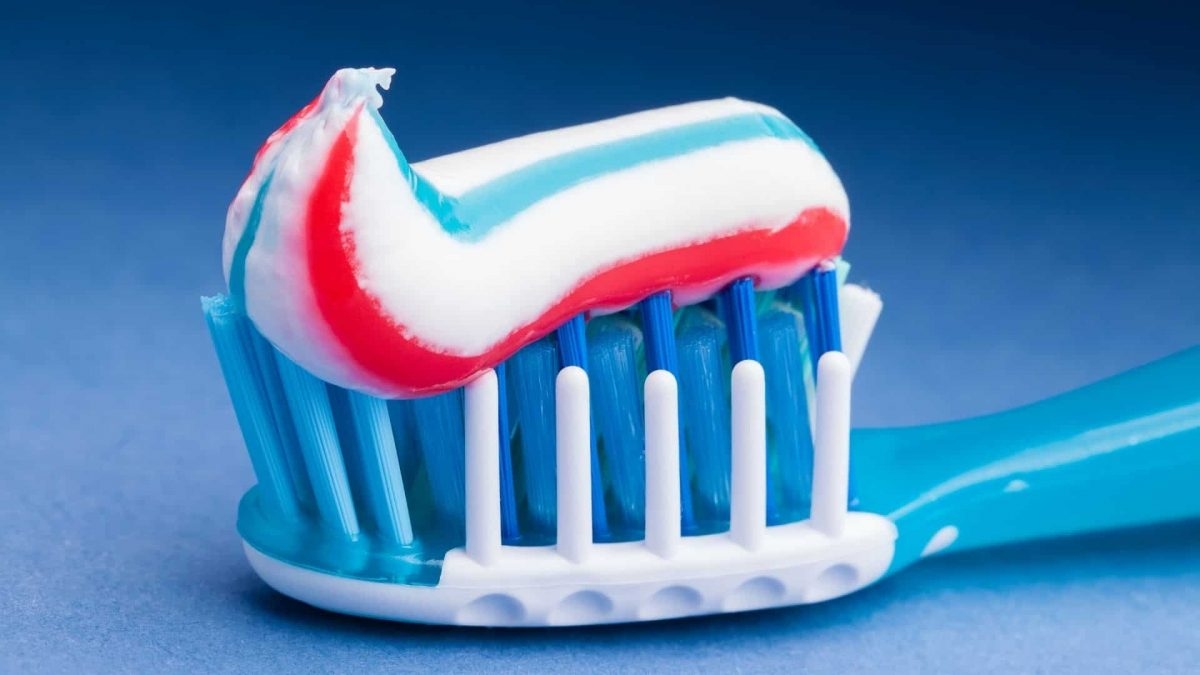
The findings suggest that a future toothpaste or dental product made with keratin could help rebuild enamel naturally, reducing reliance on synthetic and environmentally harmful materials.
While the research is still at an early stage, the concept opens new possibilities for dentistry—where biology, sustainability, and oral health could soon work hand in hand.