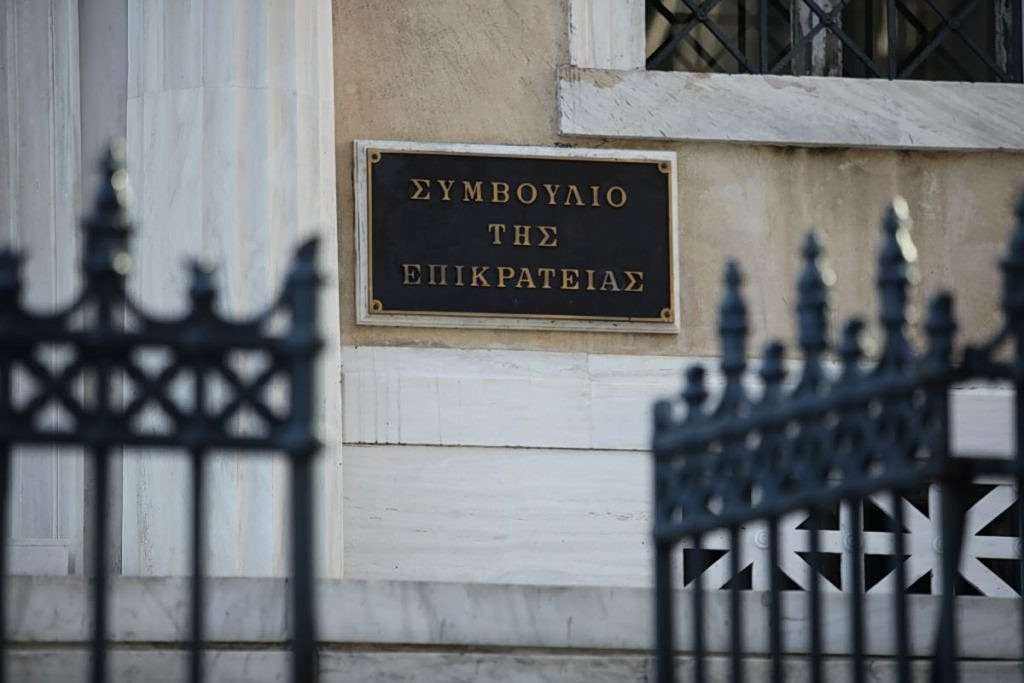
Greece’s highest administrative court has once again instructed the Ministry of Education to introduce an alternative course to religious education, highlighting years of non-compliance with prior rulings.
Seven years after a landmark 2019 decision, the Council of State — the country’s supreme administrative court — ruled that the ministry must immediately take all necessary steps to ensure that students who opt out of religious instruction are offered a fully implemented alternative course.
Mandatory Implementation From 2025–2026
In two new rulings, the court made clear that the alternative subject must be available to all middle and high school students (Gymnasium and Lyceum) who request it, starting in the current 2025–2026 academic year and beyond.
Judges emphasized that the government must issue all required ministerial decisions to make the course operational. These include assigning qualified teachers, integrating the subject into the official curriculum, and ensuring appropriate teaching methods — including the use of digital tools and remote learning systems where needed.
The court ruled that the administration acted unlawfully by failing to take the necessary steps to implement the alternative course, despite earlier binding decisions. “The omission of the administration to proceed with the required actions… is unlawful,” the court concluded, reaffirming its previous judgments on the issue.
As a result, the case has been sent back to the Ministry of Education with explicit instructions to comply without further delay.
Background: A Long-Running Legal Issue
The issue dates back to a 2019 plenary ruling, in which the Council of State determined that students exempted from religious education must be provided with an alternative subject.
The court had set a clear timeline: preparation of curriculum and materials was to be completed by the end of the 2022–2023 school year, allowing the course to begin in 2023–2024. However, the ministry failed to meet that deadline.
In 2025, the court upheld two annulment requests filed by parents and students, confirming that the state had not fulfilled its obligation to provide the alternative course.