 Μake us preferred on Google
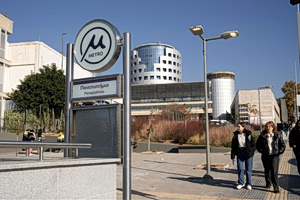
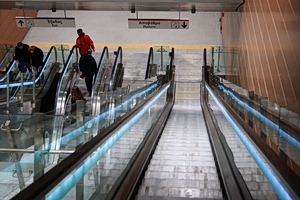
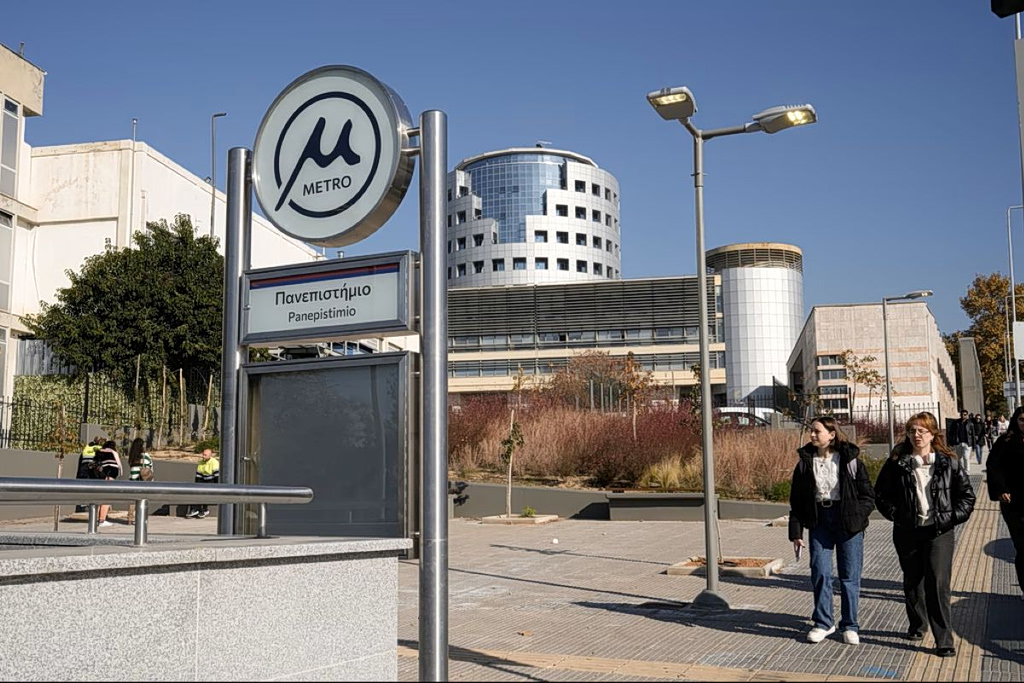
 Work to make metro stations more accessible and welcoming for people with blindness and severe visual impairments is set to begin in 2027, marking a significant step toward inclusive urban mobility in Greece.
According to Deputy Transport Minister Konstantinos Kyranakis, both the Athens and Thessaloniki metro systems will introduce a digital guidance application similar to the one already used at the Acropolis. The tool is expected to substantially improve navigation for visually impaired passengers.
Plans also include the digital mapping of all metro stations, alongside tactile route maps available in Greek and English Braille. Notably, Thessaloniki has already taken initial steps, installing Braille information signs at bus stops since autumn 2025.
The initiative forms part of a broader, European Commission–approved plan funded through the Social Climate Fund, comprising ten actions aimed at improving accessibility across public transport.
Key measures include the addition of 210 new urban buses in Athens and Thessaloniki by 2028, backed by 129 million euros in funding, reducing waiting times and strengthening service in underserved areas.
Metro Line 1 will see both train and station upgrades, with improved accessibility features such as ramps, dedicated seating, and enhanced audio announcements. Daily journeys by people with disabilities are expected to more than double by 2029.
Further investments include 12 new metro trains for Lines 2 and 3, upgrades to 33 railway stations nationwide, and the rollout of on-demand transport services catering to vulnerable groups.
Financial incentives will also support mobility, including subsidies for vehicle leasing, accessible electric taxis, and home charging infrastructure.
Together, these interventions signal a comprehensive effort to create a transport system that is more equitable, responsive, and accessible to all.