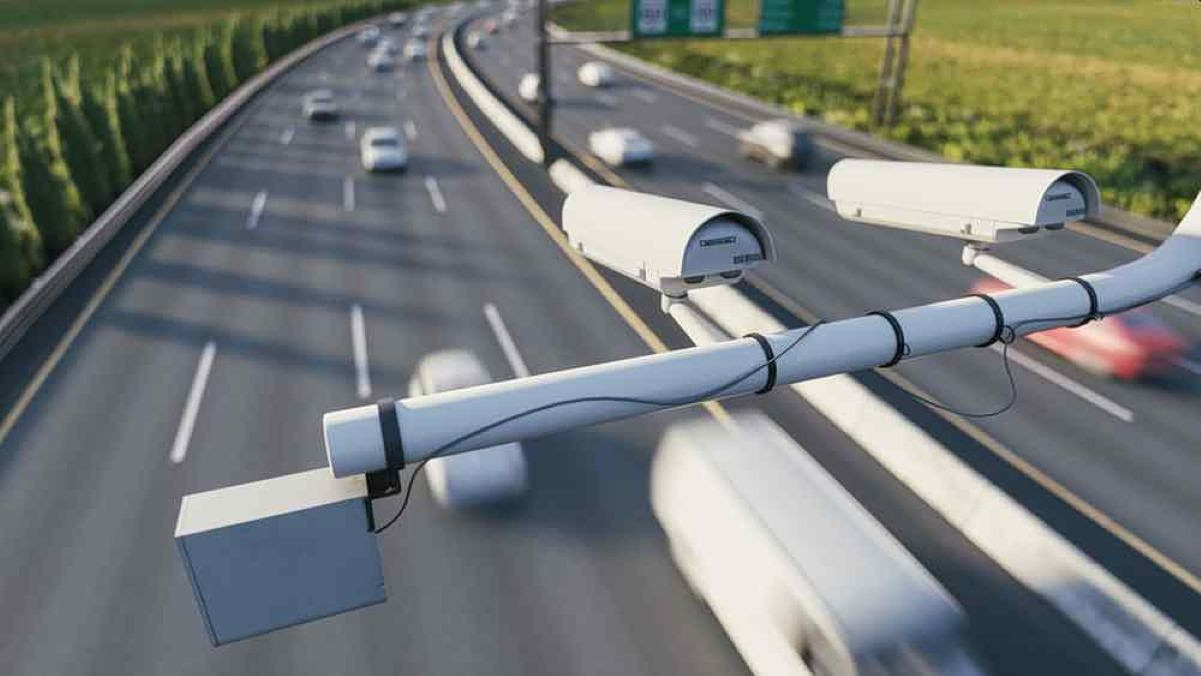
A pilot traffic-monitoring system using artificial intelligence cameras has delivered its first results in Attica, operating from Tuesday, December 16 through Friday, December 19. The early data underline both the scale of traffic violations and the potential of technology to enhance road safety.
At the camera installed on Syngrou Avenue alone, more than 1,000 violations were recorded for mobile phone use and failure to wear seat belts. The same system detected approximately 800 cases of speeding. Meanwhile, red-light violations were also widespread: 480 incidents were captured at the Mesogeion–Chalandri junction and a further 285 at Vouliagmenis–Tinou.
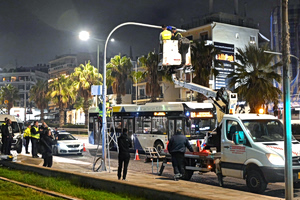
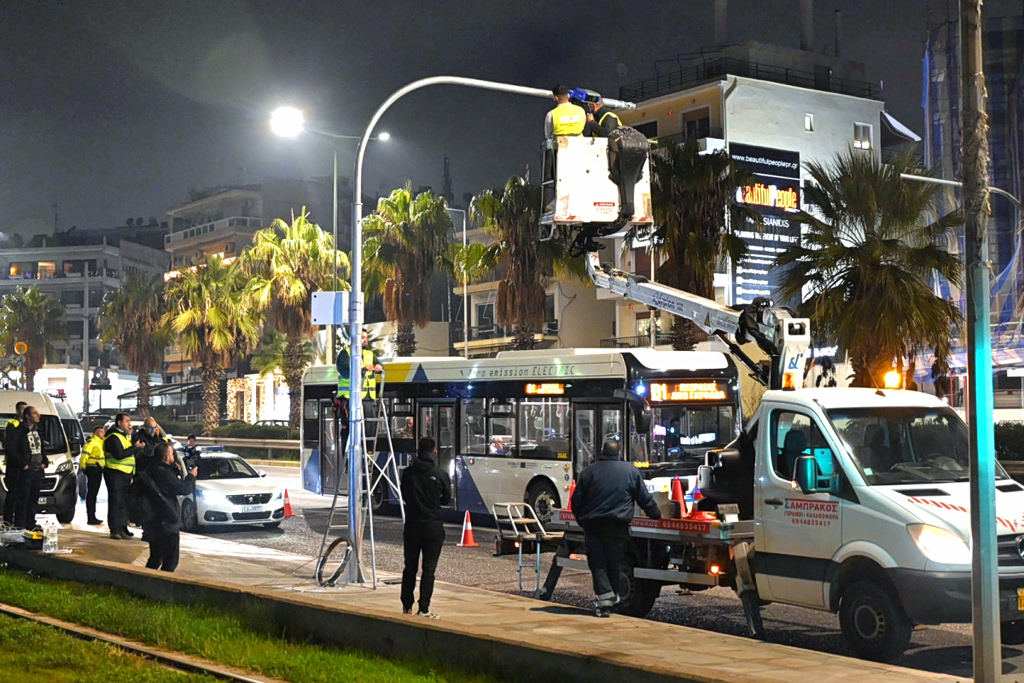
The pilot deployment, launched as part of a broader road safety strategy, covers eight high-risk locations across Attica, selected on the recommendation of the Hellenic Police. These are the first AI-powered traffic cameras to be installed on Attica’s roads, developed under the Ministry of Digital Governance’s program and set to be integrated with the Traffic Police’s existing systems.
The pilot sites include central arteries in the City of Athens, such as Panepistimiou Street and Vasilissis Sofias Avenue, as well as key points in Agia Paraskevi, Rafina and Kallithea. The cameras are designed to automatically detect serious violations of the Highway Code, including red-light running, speeding, non-use of seat belts, mobile phone use while driving and illegal use of emergency lanes.
Authorities stress that the intensified monitoring aims primarily at accident prevention and public awareness. The full rollout foresees a network of 2,500 cameras nationwide, with 2,000 installed at fixed high-risk locations and 500 mounted on public buses to monitor bus lanes.
In parallel, the Region of Attica plans to add 388 cameras, integrated with the National Traffic Management System.
Advanced AI-based license plate recognition will allow rapid classification of violations and faster identification of offenders, while digital, immediate suspension of driving licenses is expected to reinforce compliance.
Officials argue that the system will also simplify procedures for citizens, offering transparent fine enforcement and real-time access to penalty information, while reducing bureaucracy and improving everyday road safety.