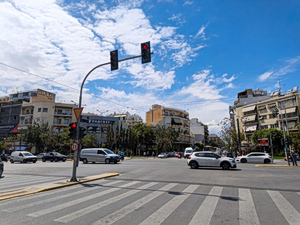
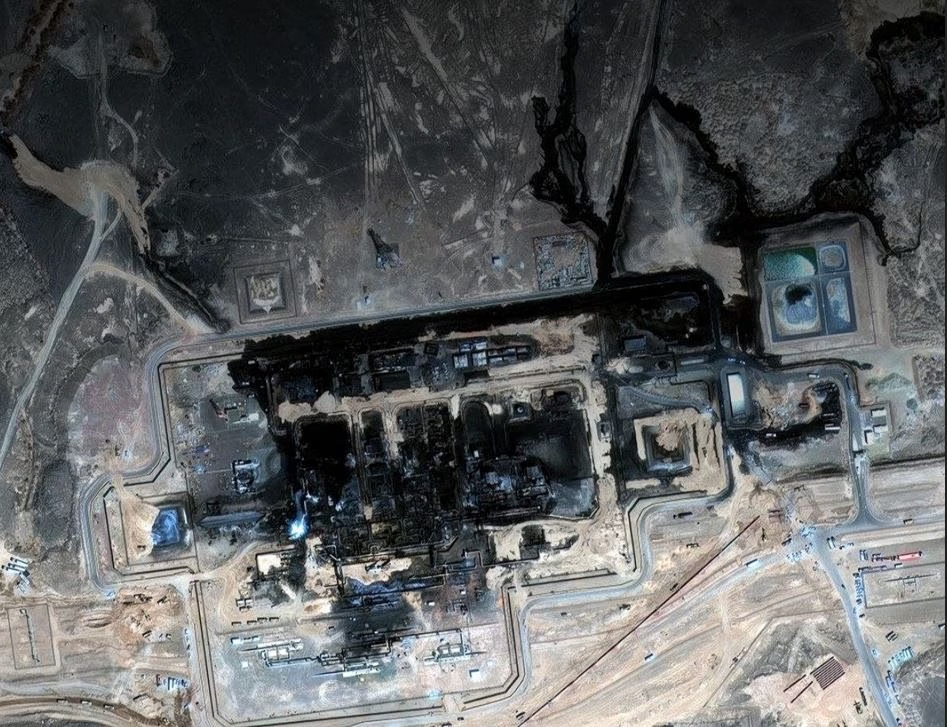
The mystery surrounding the strong odor reported across several areas of Attica earlier this week has deepened after Greece’s leading marine research institute ruled out natural processes in the nearby Saronic Gulf as the source of the phenomenon.
In a statement issued following complaints from residents about an intense and unpleasant smell detected on May 19, the Hellenic Centre for Marine Research (HCMR) said the available scientific evidence does not support a natural oceanographic explanation.
“The odor does not originate from any natural oceanographic process in the Saronic Gulf,” the institute’s director stated, adding that the source was therefore “anthropogenic,” meaning linked to human activity.
Scientific Data Rules Out Natural Causes
HCMR, Greece’s national research body for the marine environment, said it has monitored the ecological condition of coastal and marine waters for decades through national and European environmental programs.
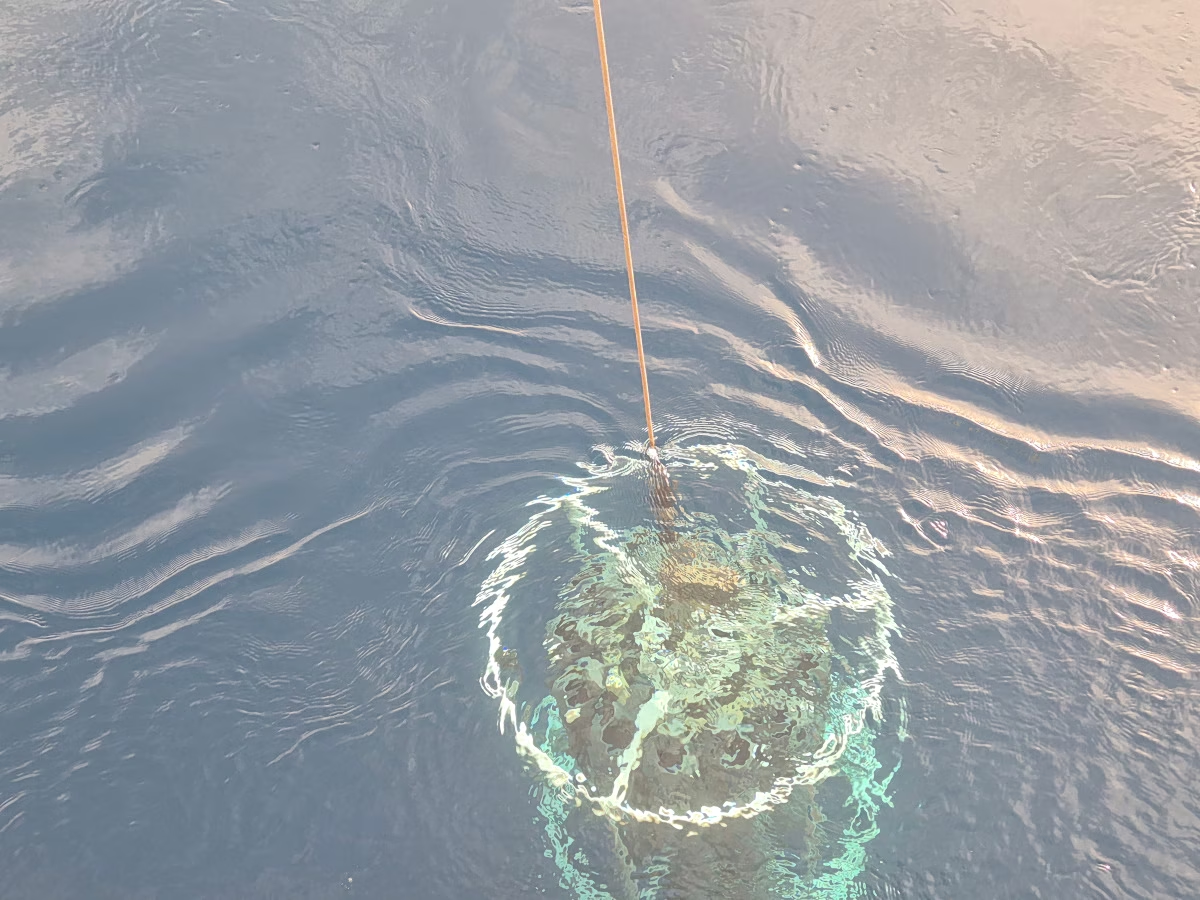
As part of these monitoring efforts, the research vessel Aegean carried out missions in the Saronic Gulf on May 10 and May 19. The second mission coincided with the day the odor was reported and included fieldwork focused on assessing the ecological quality of marine areas in the inner gulf.
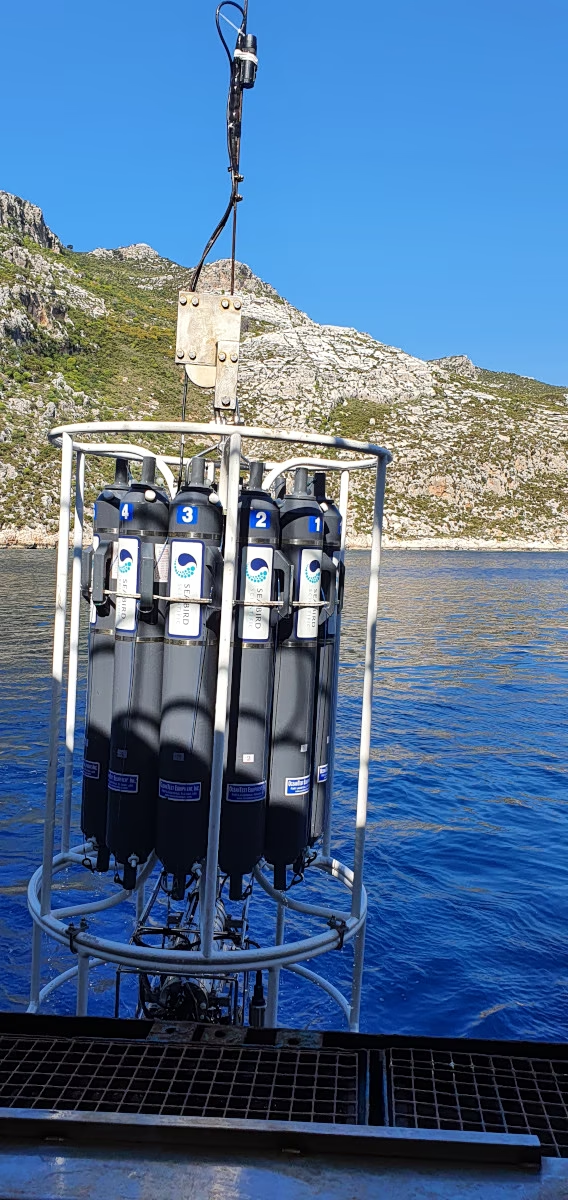
According to the institute, long-term measurements and scientific studies do not indicate the presence of extensive oxygen-depleted zones in the area. Researchers also said they have not recorded hydrogen sulfide concentrations on the seabed at levels that could explain a widespread foul smell.
In addition, monitoring data showed no signs of a large phytoplankton bloom or extensive decomposition processes that could generate significant amounts of odor-causing gases.
Scientists further noted that available oceanographic and meteorological data do not support the occurrence of an upwelling event that could have brought large quantities of oxygen-poor water to the surface.
No Signs of Marine Environmental Degradation
Researchers reported that during the May 19 survey, no indications of environmental degradation were observed in the marine areas where scientific measurements were conducted.
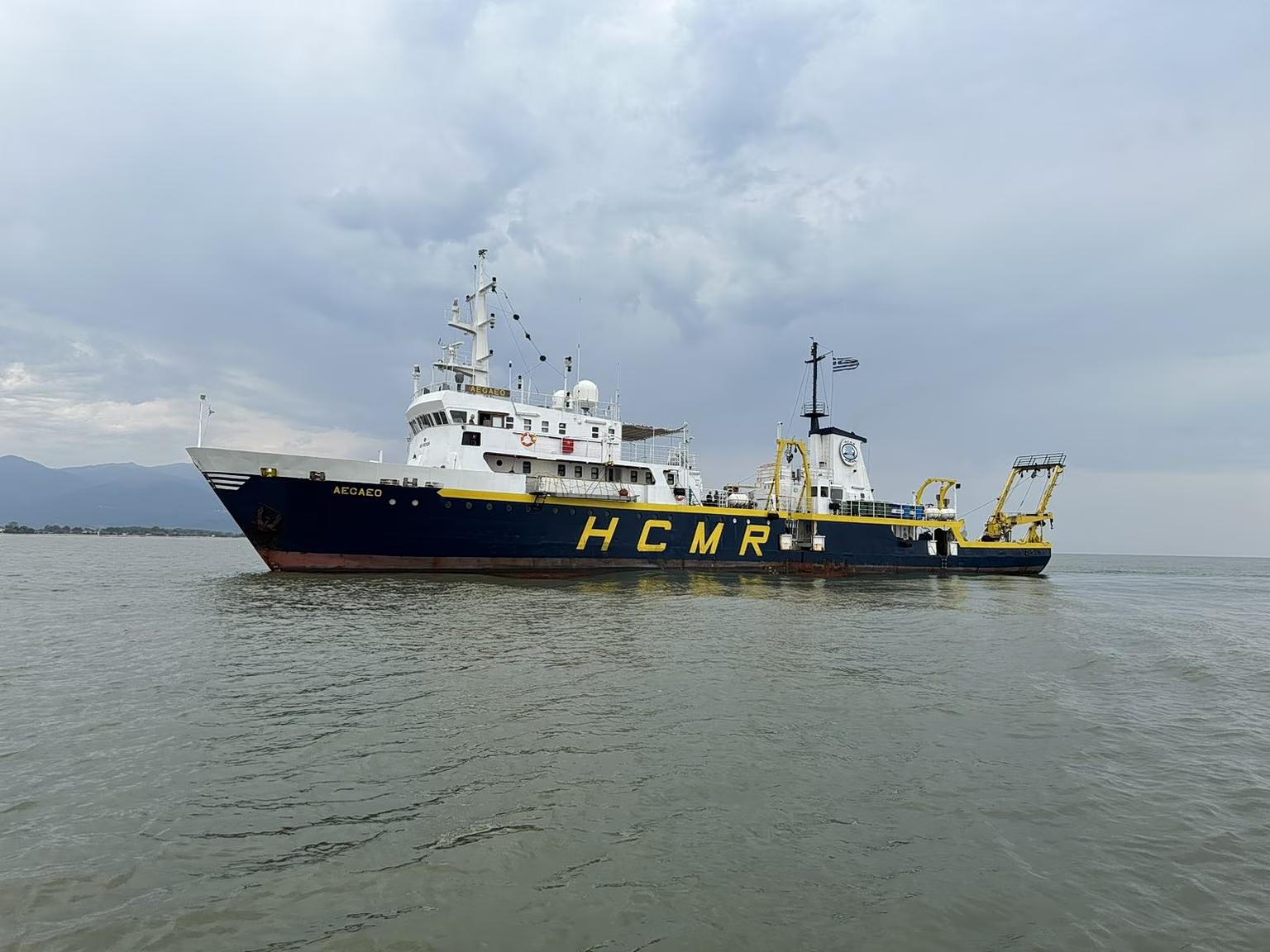
The findings suggest that the source of the odor is unlikely to be linked to natural marine conditions in the Saronic Gulf, despite the smell being detected along much of the coastal zone of the Athens metropolitan area.
New Sampling Mission Planned
HCMR said it will continue investigating the incident in cooperation with Athens Water Supply and Sewerage Company (EYDAP), analyzing all available data and examining every possible factor connected to the event.
A new targeted sampling mission will take place on May 26 in both the Inner Saronic Gulf and Elefsina Bay as part of ongoing environmental monitoring programs.