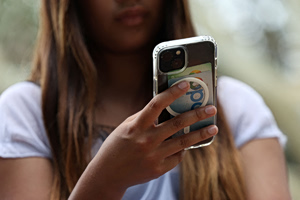
Just a few months ago, teenagers in Australia became the first in the world to face a sweeping ban on social media use—an ambitious move that sparked frustration among young users and echoed debates now emerging in Greece. Yet, barely four months on, the policy appears to be losing momentum, as minors have already found ways to maintain an active presence on their favorite platforms.
The restriction, which prohibits social media use for those under 16, was introduced as one of the strictest child-protection measures globally. However, recent data suggests that more than six in ten minors continue to access social networks despite the ban. Specifically, 53% of underage users remain active on TikTok, another 53% on YouTube, and 52% on Instagram.
Source: Reuters
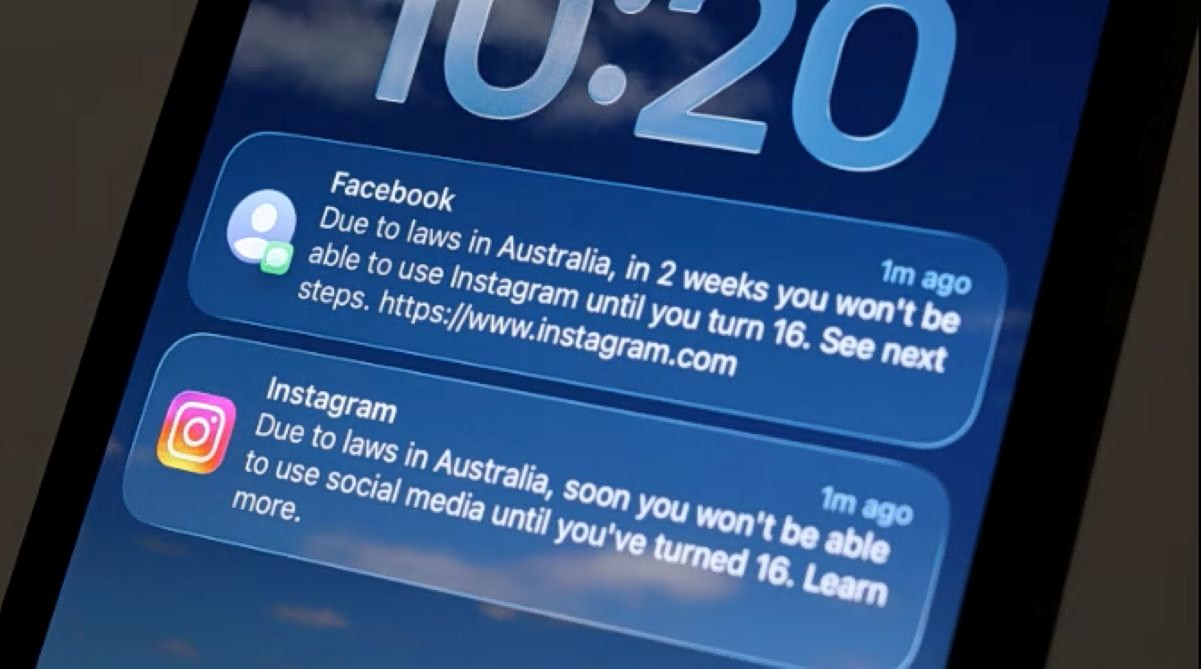
In the early stages of enforcement, authorities oversaw the mass deletion of accounts, with millions removed. Meta alone reported blocking 550,000 accounts, while acknowledging ongoing challenges in reliably verifying users’ ages. Despite this initial “clean-up,” the effect proved short-lived. Users quickly returned, creating new profiles and resuming their activity with minimal disruption.
A key factor behind this resilience is the ease with which restrictions can be bypassed. Many minors simply provide false ages during registration, use tools such as VPNs to appear as users from other countries, or open new accounts as soon as previous ones are deleted. These methods are widely known and remarkably easy to use—even for younger users.
In some cases, the circumvention goes further, involving the tacit or even active participation of parents. Some allow their children to use their own accounts or provide personal identification details during registration, effectively undermining the ban’s enforcement.
Although there were some signs of migration toward alternative platforms, these shifts were limited. Most users chose to remain on familiar networks, albeit through unofficial means. This underscores the powerful social dimension of these platforms—one that appears difficult to regulate through administrative measures alone.
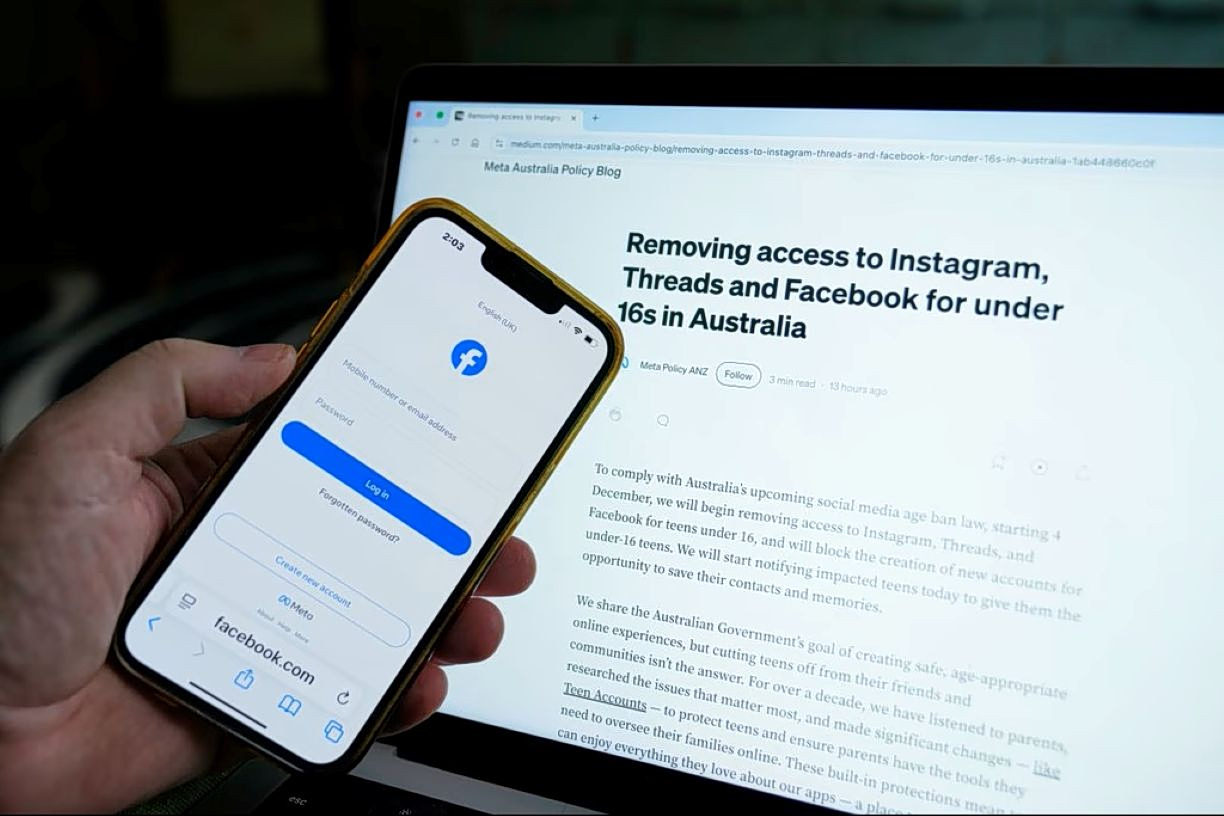
At the same time, questions are mounting over the responsibility of technology companies. Despite stricter age-verification requirements, enforcement remains weak, with many accounts slipping through or quickly reappearing—underscoring the limits of digital oversight.
Some experts warn the ban may even backfire, pushing minors toward less regulated platforms or more hidden forms of use, where monitoring is harder. For many young users, online behavior has not changed—it has simply moved beyond formal controls.
The case of Australia highlights a broader challenge: in a fast-evolving digital landscape, outright bans are difficult to enforce. This raises a key question for policymakers, including in Greece, where similar measures are under discussion—can such restrictions truly work, or is a different approach needed?
Many argue that strengthening digital literacy, holding platforms more accountable, and encouraging greater family involvement may prove more effective than blanket bans. For now, Australia’s experience sends a clear message: teenagers have not left social media—they have simply learned to navigate around the rules.