
 Μake us preferred on Google
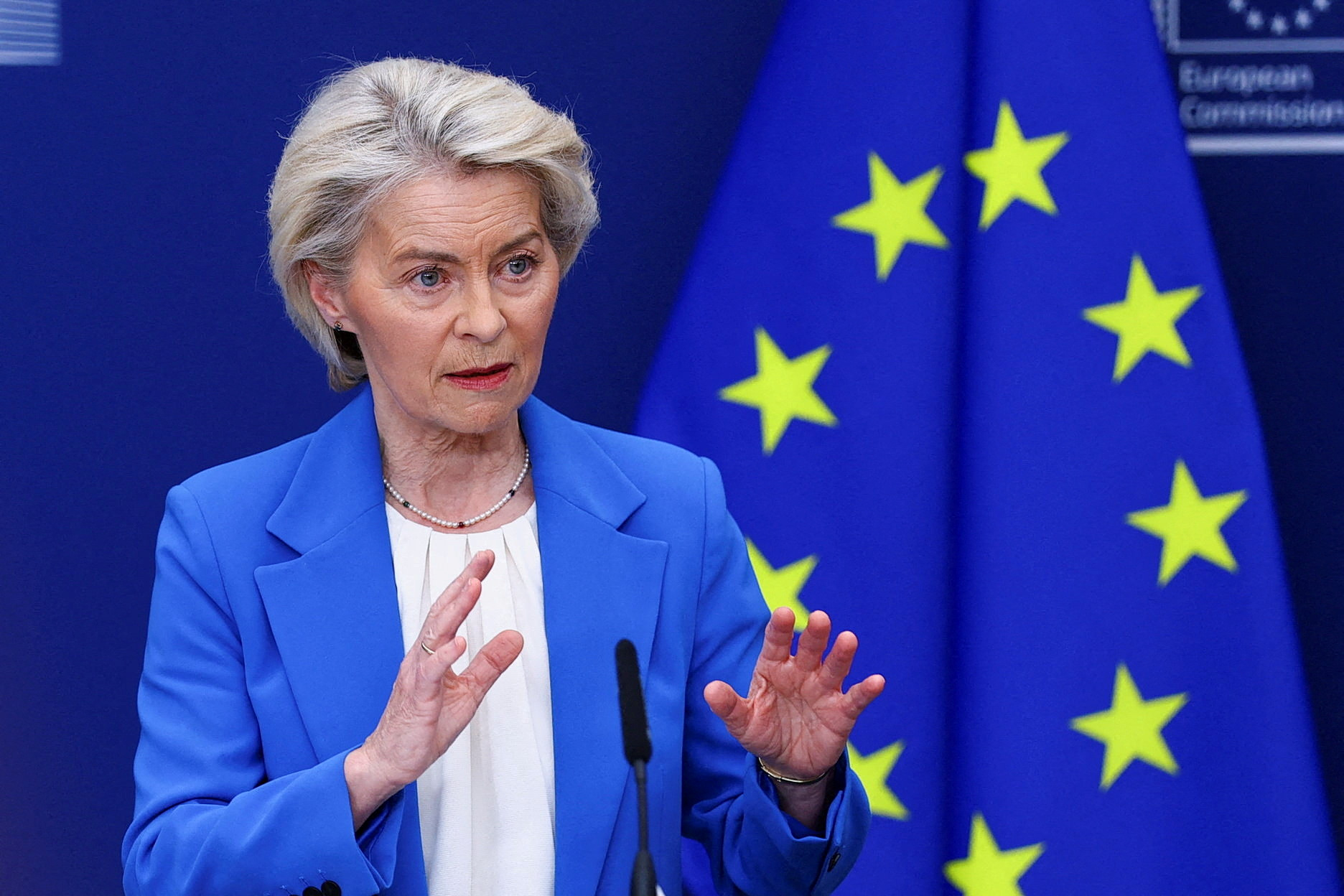
 European Commission President Ursula von der Leyen said on Wednesday that the EU’s new age verification app for online platforms is ready and will soon be available, as European governments intensify efforts to limit children’s access to social media.
The tool, which will work on mobile phones and computers, will require users to upload a passport or ID card to anonymously confirm their age, von der Leyen said at a press conference in Brussels.
“We are moving ahead with full speed and determination on the enforcement of our European rules,” she said, adding that platforms failing to adequately protect children would be held accountable.
She also said the EU would maintain “zero tolerance” toward companies that do not respect children’s rights online, describing the system as a tool for parents, teachers and caregivers to help safeguard minors.
At least a dozen European countries, such as Greece, including non-EU members Britain and Norway, have already introduced or are considering laws setting minimum social media ages, typically ranging between 13 and 16.
The EU’s digital chief Henna Virkkunen said the bloc is working on a coordination mechanism to ensure age verification is applied consistently across national systems.
A senior Commission official said the EU has been developing a harmonized digital verification framework since last year, though it acknowledged that users could potentially bypass the system using virtual private networks.
However, the official stressed the initiative is not designed to police internet activity but to reduce unintended exposure of children to restricted content.
While no binding EU-wide law has yet been adopted, the European Parliament has called for a minimum social media age of 16 across member states.
A final decision on possible EU legislation is expected this summer, following recommendations from a special panel on child safety online.