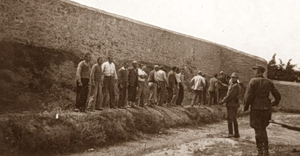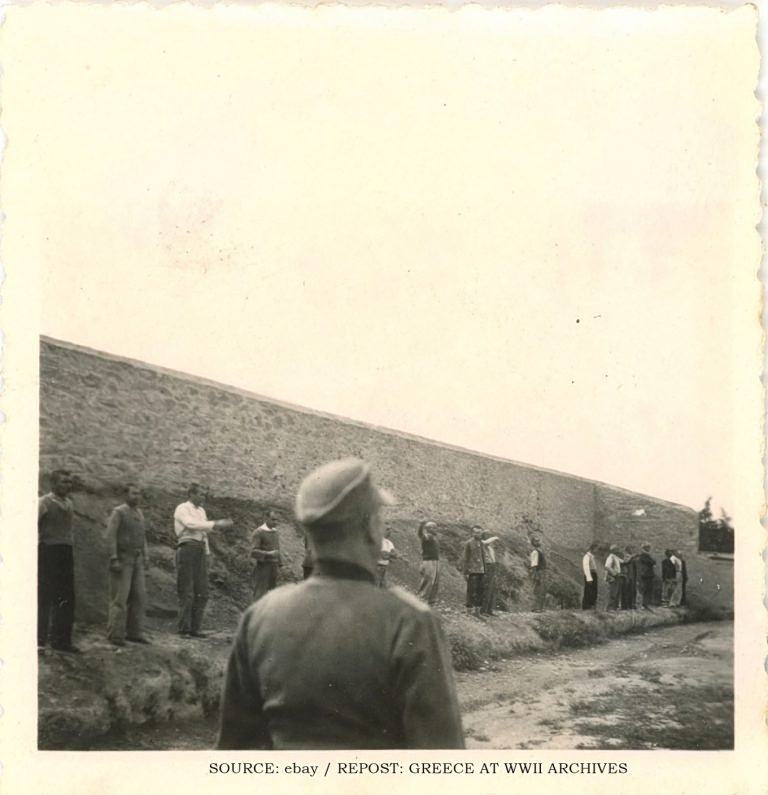
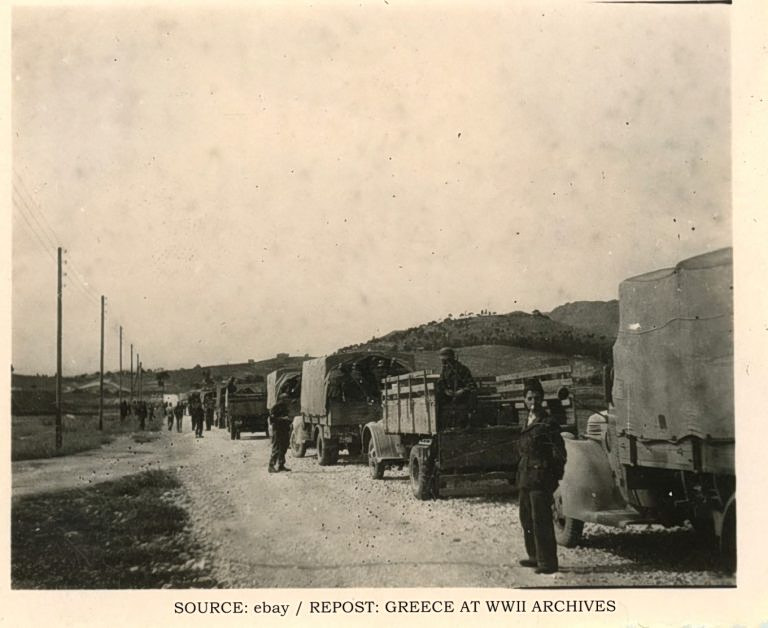
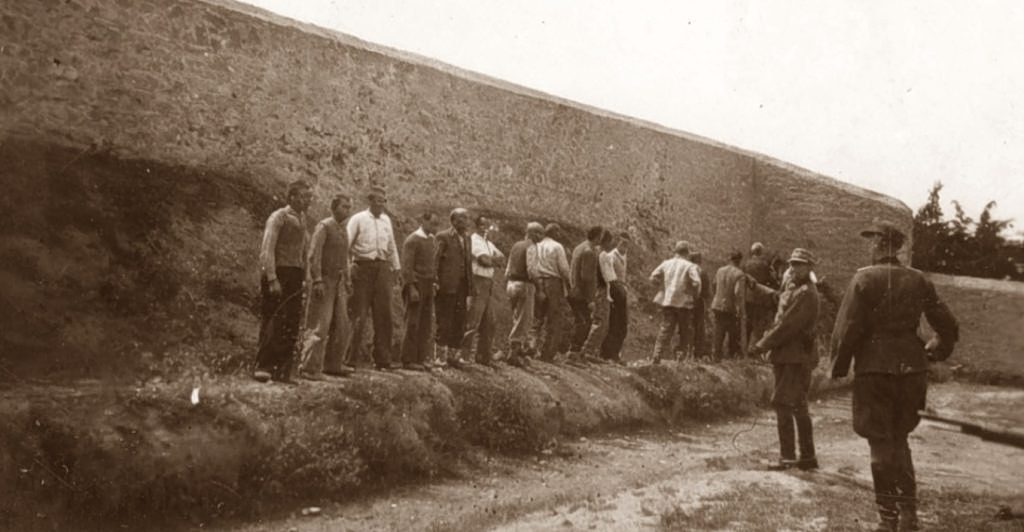
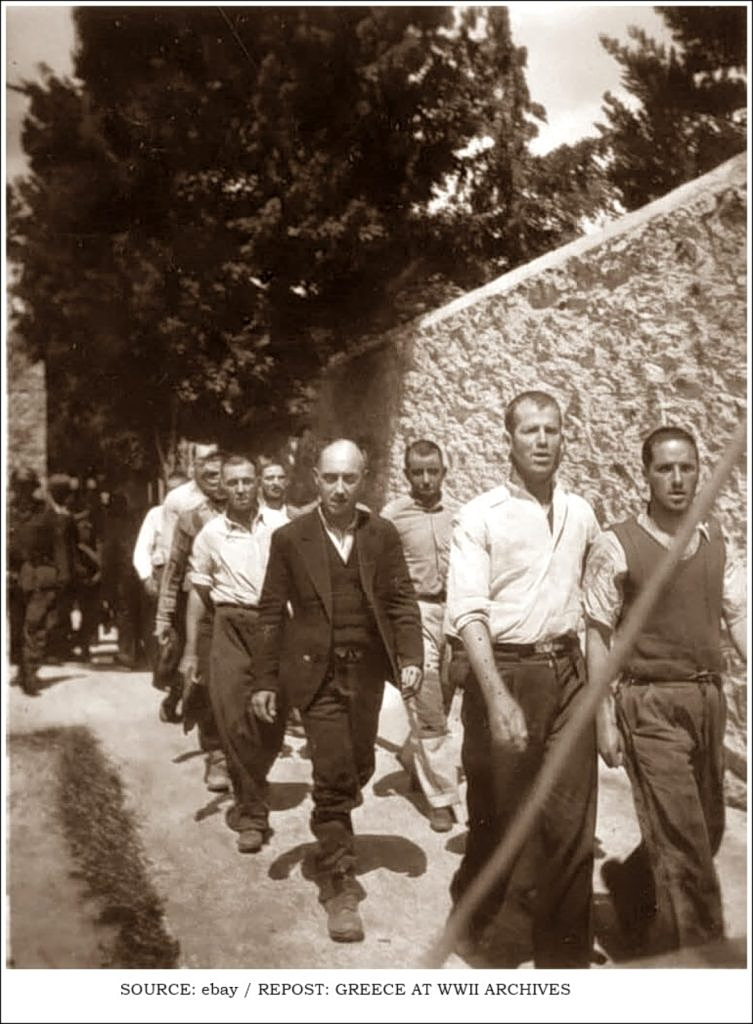
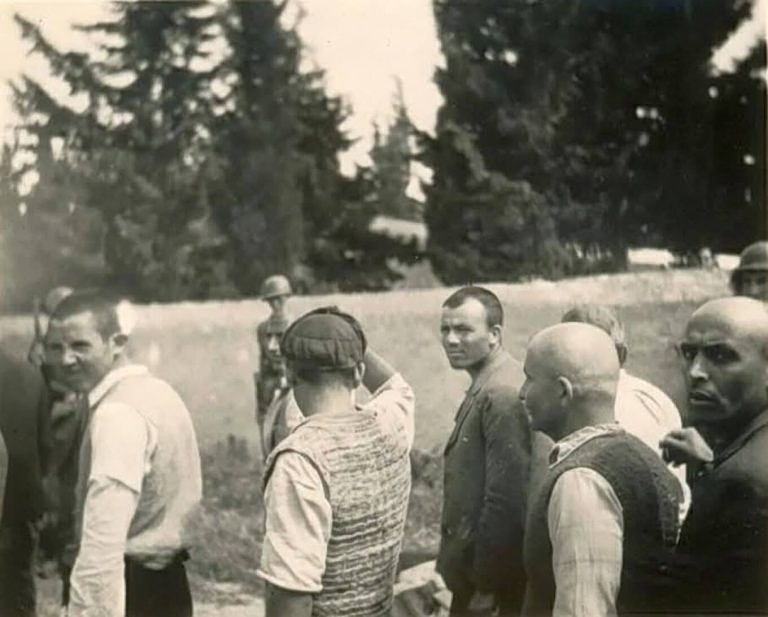
Photographs said to capture the final moments before the execution of 200 resistance prisoners in Kaisariani in 1944 were removed from eBay yesterday morning, abruptly halting their auction and fueling an already intense debate in Greece over history, memory and ownership.
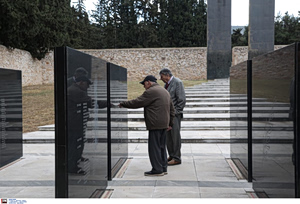
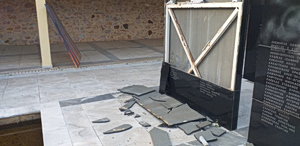
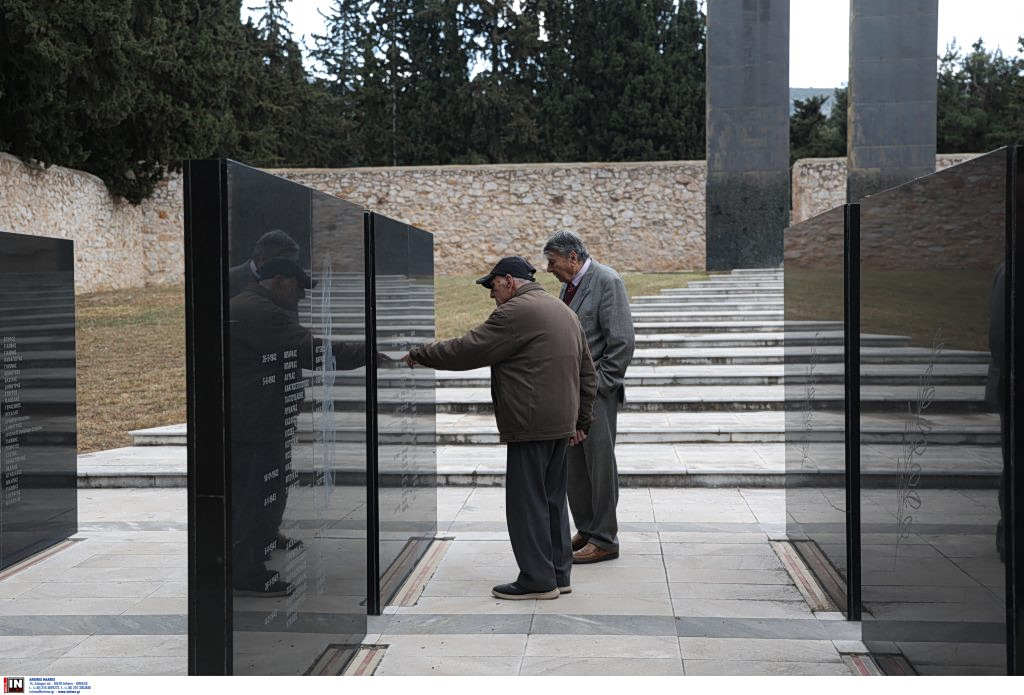
The images relate to one of the most symbolic Nazi crimes in Greece during World War II. On May 1, 1944, German occupation forces executed 200 political prisoners at the Kaisariani shooting range in retaliation for resistance activity — an event deeply etched in the country’s collective memory.
Collector Backs Down — For Now
The Belgian collector Tim De Crene, who had listed the photos, said he personally decided to close the auctions.
“No decision has been made about a sale, and I remain open to constructive dialogue with the competent Greek authorities about the future of this material,” he stated after pressure from media outlets and private individuals.
The photos, described as previously unpublished, have sparked major public and political controversy.
Political Pressure Mounts
Interventions from political figures quickly multiplied, including from Alexis Tsipras, the party PASOK and New Left, among others.
Dimitris Koutsoumbas, leader of the Communist Party, sent a letter urging the Hellenic Parliament and the ministries of Interior and Culture to take all necessary legal and other actions to stop the auction. He argued the images constitute evidence of Nazi war crimes against Greece and should come into Parliament’s possession.
Parliament Speaker Nikitas Kaklamanis responded positively to the idea of claiming the material. Government spokesperson Pavlos Marinakis said the Greek Ministry of Culture would begin procedures to acquire the photos, provided their authenticity is certified.
Greece Moves to Secure the Archive
Following a phone call between Kaklamanis and Culture Minister Lina Mendoni, it was agreed that if the ministry acquires the photos, they will later be handed to Parliament.
The Central Council of Modern Monuments is set to examine the case. Officially classifying the collection as a monument would form the legal basis for a Greek state claim.
Experts from the ministry have already contacted the collector and will travel to Ghent, Belgium, to assess authenticity, provenance legality, and the collection’s historical value.
One unresolved issue is genuineness. The collector has said that removing watermarks led to alterations in the images. Where the archive will ultimately end up — and how it will be documented — remains unclear.
A Historically Charged Detail
Of particular interest is that the photo set reportedly includes an image from the funeral of Nazi Major General Franz Krech. He was executed in Laconia by forces of ELAS (the Greek People’s Liberation Army). His killing served as the pretext for the reprisals that led to the Kaisariani executions.
A Race to Identify the Faces
Since the material became public Saturday night, a race has begun to identify and visually document the people allegedly depicted. The effort involves KKE, institutions, historians and relatives of the executed.
The process is ongoing and sometimes contentious. An initial identification by Zana Bemboni claiming that one photo shows Ilias Rizos has been disputed by Dimitris Rizos, the executed man’s nephew, who says visual evidence does not support the match.
Letters from heirs of executed prisoners were also made public.
“A Matter of Honor”
The Panhellenic Organization of Fighters of National Resistance stressed the symbolic weight of the case:
“Once the photographs are proven authentic, it is a matter of honor for the Greek state, Parliament, the government, political parties and institutions to acquire this precious historical document — a powerful proof of the Greek people’s sacrifices during World War II.”
For many in Greece, the issue goes beyond an online auction. It touches on historical justice, national memory and who has the right to hold — or sell — the visual record of atrocity. The coming days will determine whether these images return to the country where their story began.