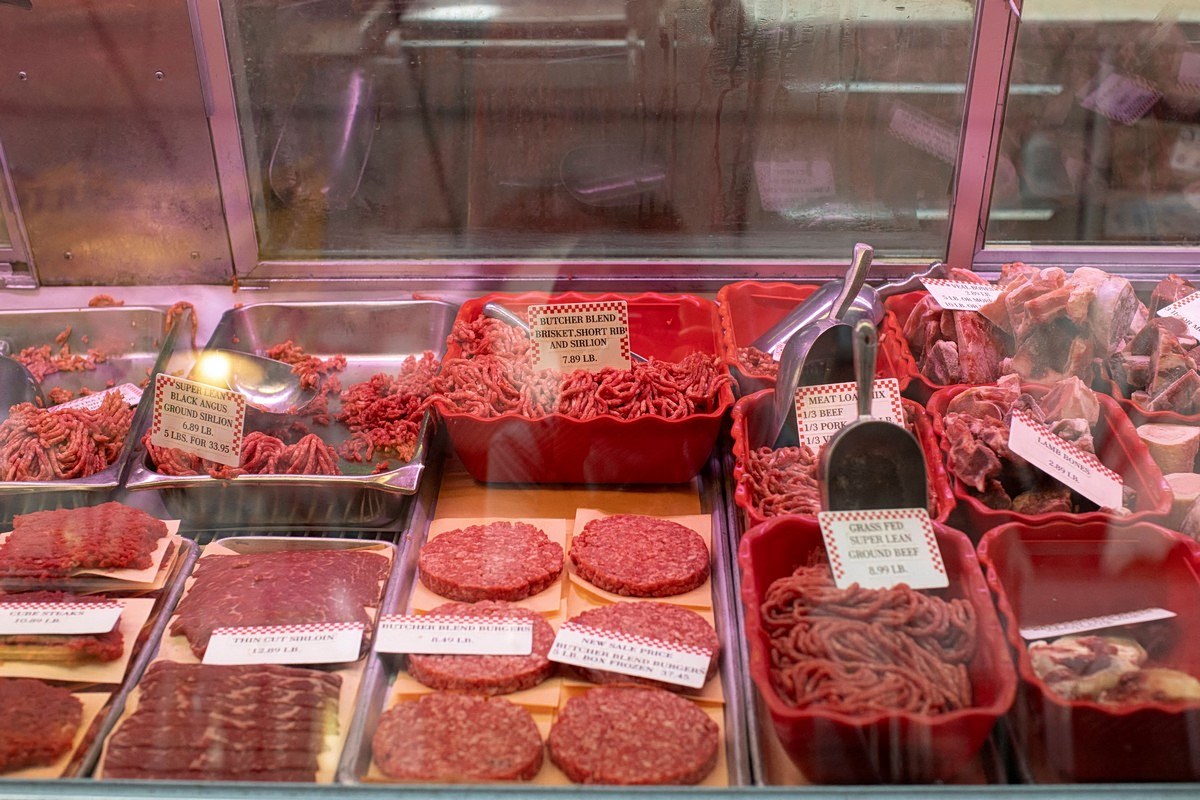
Meat prices in Greece are surging ahead of the holidays, with beef costs rapidly approaching €20 per kilo as supply tightens and taxes remain high. Market sources warn that consumers will struggle to find beef, lamb, or goat in Christmas promotions, leaving chicken and pork as the most affordable options.
Beef imports from European countries continue to decline, pushing prices upward. The average price has already climbed to €16–17 per kilo, and industry officials expect it to reach €20 soon. While small quantities of domestically raised beef remain available, they are even more expensive than imported cuts—yet consumer demand for local meat continues to outpace supply.
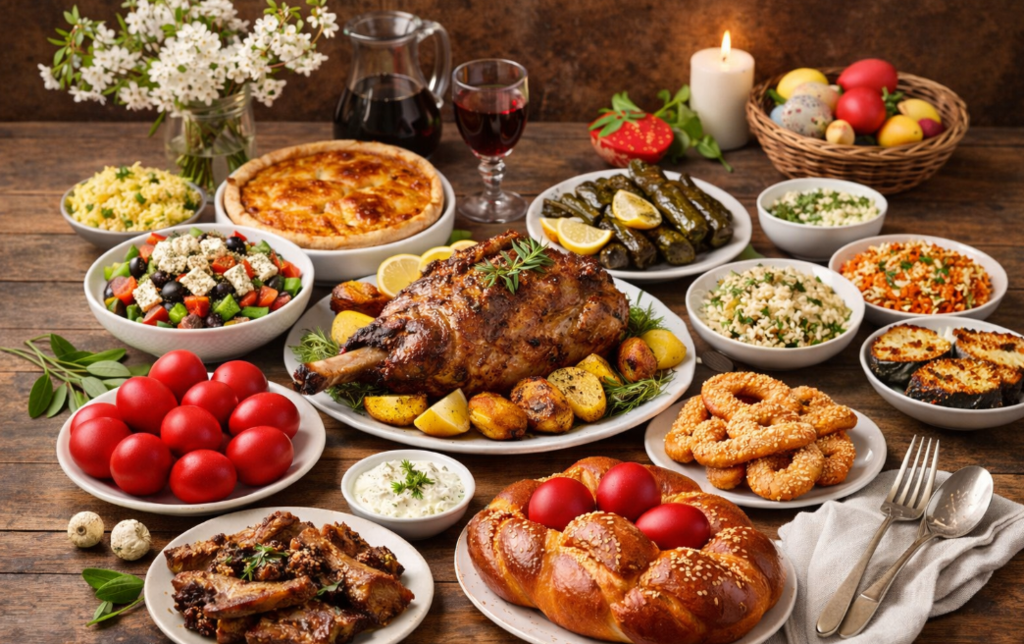
Lamb is also scarce. According to market representatives, nearly all lamb currently sold in Greece is imported from Romania, underscoring the limited availability of domestic livestock. The imbalance is expected to become far more visible during Easter 2026, when shortages of lamb and goat are predicted to send prices soaring unless the government allows additional imports—an option that could spark backlash from livestock producers.
For now, consumption has held steady despite rising costs. However, sources caution that it is unclear whether demand can remain stable if prices continue rising at their current pace.
NEWSLETTER TABLE TALK
Never miss a story.
Subscribe now.
The most important news & topics every week in your inbox.
One factor fueling high beef prices in Greece is the elevated value-added tax (VAT). At 13%, Greece’s VAT rate on beef is among the highest in Europe. Comparable rates in neighboring EU countries are significantly lower—4% in Italy, 10% in Spain, 6% in Portugal, and 5% in Cyprus. The United Kingdom applies a 0% VAT rate on beef. Market analysts argue that Greece’s high VAT is a key driver of the widening price gap.
Despite repeated calls from the food industry to reduce VAT during recent inflationary waves, the government has consistently refused to adjust the tax rate. Officials maintain that consumers still have alternative choices, particularly cheaper proteins such as chicken or pork.
With the holiday season underway and further increases expected, the pressure on household budgets is intensifying—making meat one of the clearest indicators of the country’s broader cost-of-living squeeze.