 Μake us preferred on Google
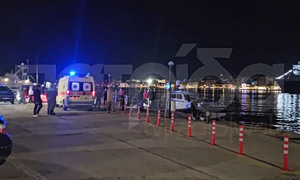
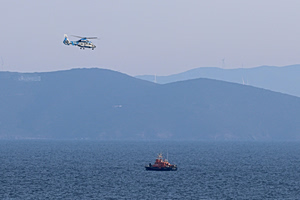
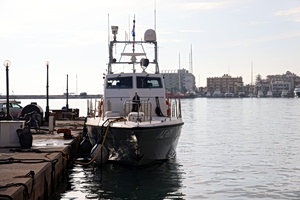
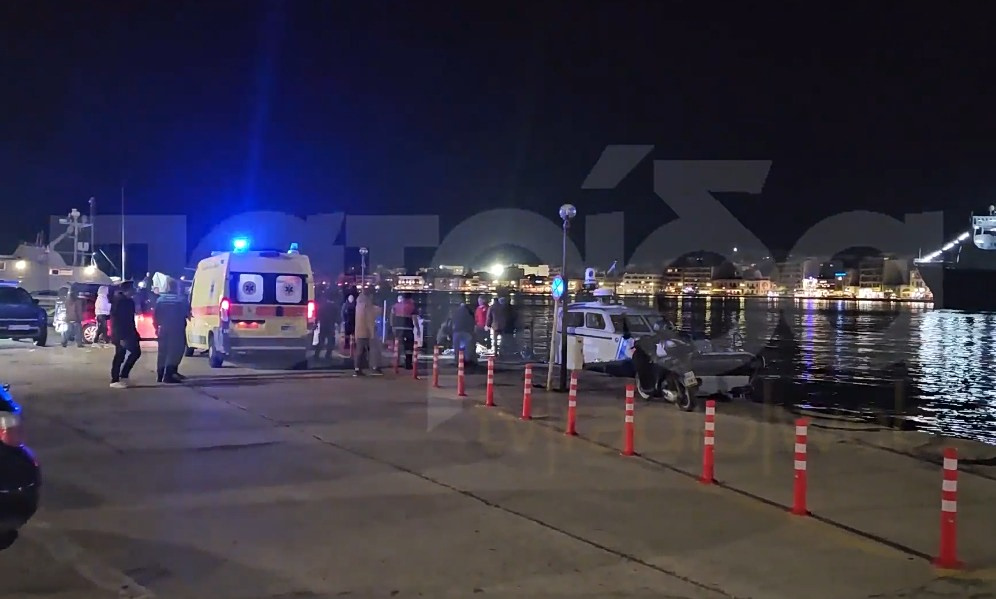
 Critical cameras on a Greek Coast Guard patrol boat were not operating when it collided with an overcrowded migrant vessel off the island of Chios, leaving 15 people dead and dozens injured, authorities confirmed, as an official investigation gets underway.
The absence of video footage has created gaps in the reconstruction of the deadly incident and raised questions about the exact sequence of events and the actions of the smuggler operating the migrant boat.
According to the Coast Guard’s account, the smugglers’ inflatable speedboat, carrying about 40 people and traveling without navigation lights, was moving toward the coast when a patrol vessel located it and issued sound and light signals to stop. Instead of complying, the operator reportedly changed course and struck the right side of the Coast Guard boat. The inflatable then capsized and sank.
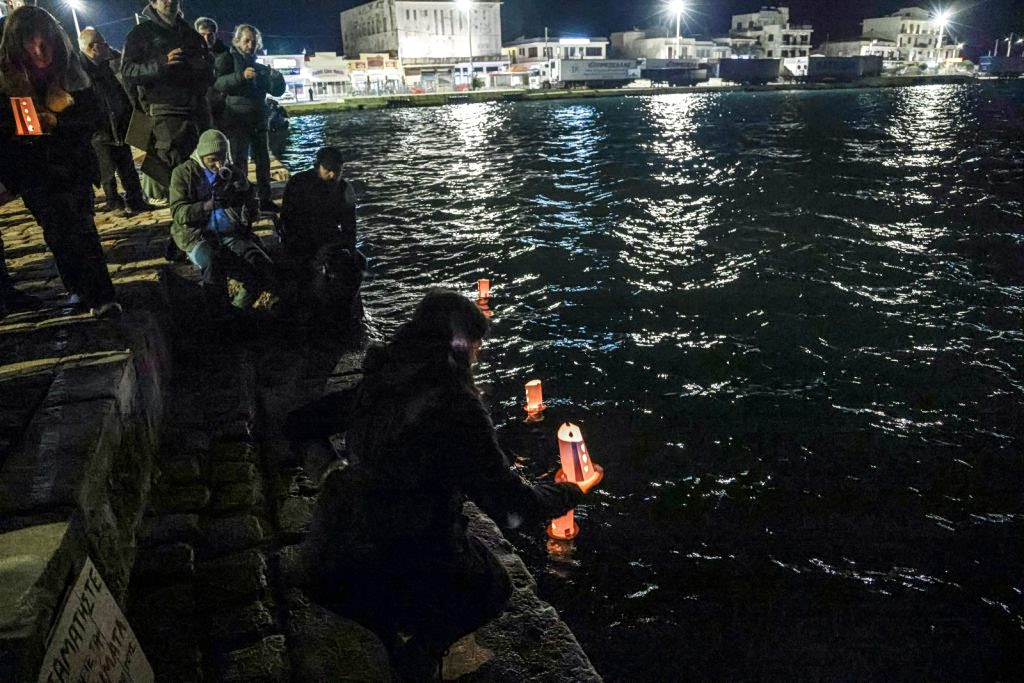
The collision resulted in 15 deaths and 26 injuries, including 12 children and teenagers. Two women in advanced pregnancy reportedly lost their babies. Twenty-four survivors were rescued. The migration minister publicly praised the Coast Guard, saying the survivors owe their lives to the service.
NEWSLETTER TABLE TALK
Never miss a story.
Subscribe now.
The most important news & topics every week in your inbox.
Cameras not recording
The Coast Guard vessel was equipped with forward and rear thermal night-vision cameras designed to monitor and record operations. These systems are also used to document incidents for crew safety and to brief European authorities on smuggling tactics.
However, during the Chios tragedy, the cameras were not active, meaning no visual record exists of the crucial moments before and during the collision. This lack of footage has intensified scrutiny over what occurred and how the fatal event unfolded.
Experts weigh in
A retired Coast Guard admiral said that a collision between an inflatable and a fiberglass vessel typically causes damage on only one side. A retired navy vice admiral noted that the migrant boat was severely overcrowded and designed to carry only six to eight people. He added that despite the crew’s reported attempts to avoid impact, the crash became unavoidable.
Official probe ordered
The maritime ministry has ordered a sworn administrative inquiry to clarify the circumstances of the disaster and the status of the cameras. Investigators will examine why the recording systems were not operating and assess the smuggler’s maneuvers in order to establish a full picture of the shipwreck.
Authorities also transferred the victims’ bodies to a cemetery near Athens for identification.
The UN refugee agency expressed deep sorrow over the incident and stressed the need to protect human life at sea. The agency said it is supporting survivors at the hospital with interpretation and legal assistance where needed.
Citing its data, the agency said that from 2015 to 2025, 3,148 people have died or gone missing in the Aegean Sea in incidents that could have been avoided. It called for greater efforts to address the causes forcing people into dangerous journeys, stronger support for first-asylum countries, and the creation of safe and legal pathways, emphasizing that protecting human life at sea is both a legal and humanitarian obligation.