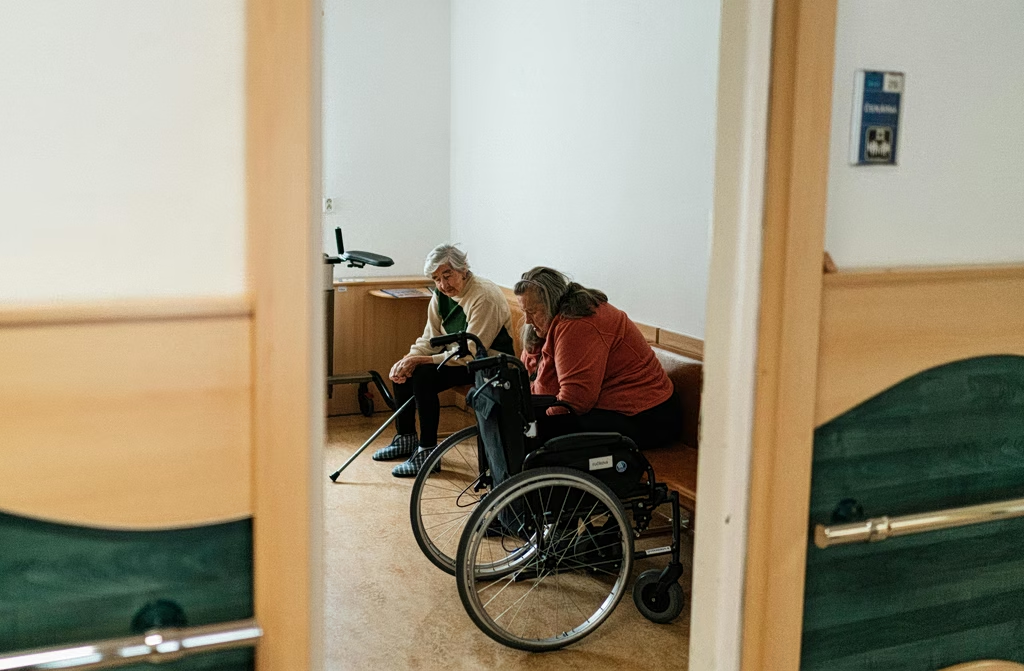
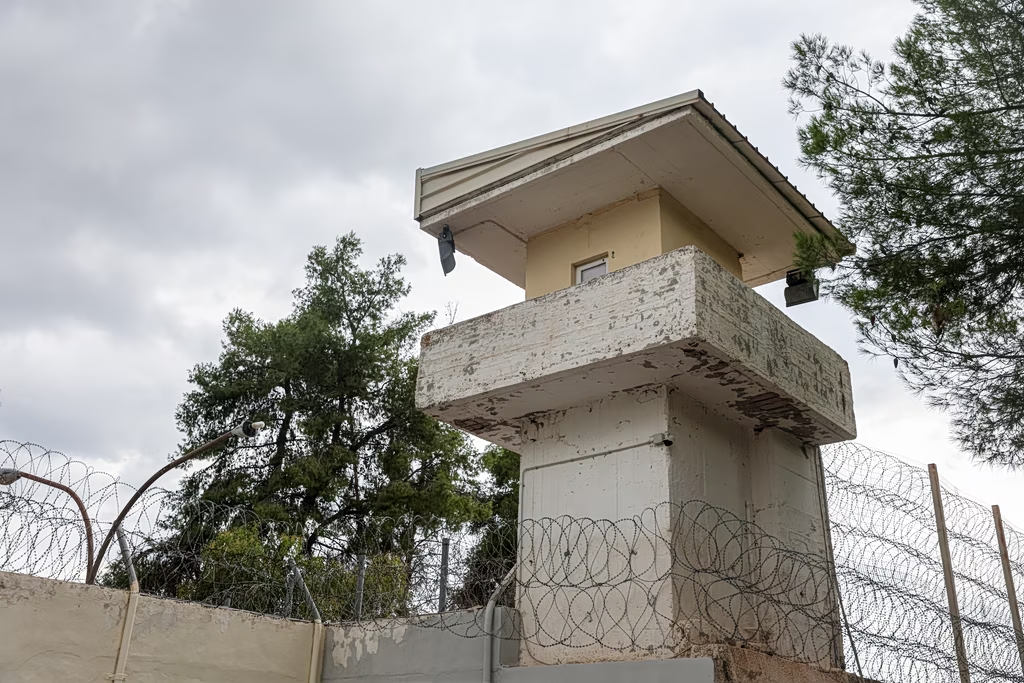
A government inspection has revealed serious irregularities and alleged abuse in a psychosocial care facility in western Greece, raising concerns over both the treatment of vulnerable residents and the handling of their financial affairs.
The investigation, carried out by inspectors from the national transparency authority following an anonymous complaint, identified a series of operational failures affecting residents with neurological and cognitive conditions, including Alzheimer’s disease and related disorders.
Concerns over resident care and supervision
According to the findings, there were documented cases of physical restraint of residents, as well as additional unrecorded incidents suggested in witness statements. Inspectors also raised concerns about the absence of consistent on-site medical supervision, noting that the facility’s supervising physician was not physically present and instead provided remote instructions that were later confirmed retrospectively.
The inspection further highlighted deficiencies in emergency response, including at least one case where nursing staff allegedly failed to promptly notify a doctor about a resident’s deteriorating condition during the night.
In a separate finding, discrepancies were identified in official documentation relating to a resident’s death, including inconsistencies between a medical death certificate and emergency service records regarding the place of death.
Financial irregularities involving residents’ pensions
The report also details serious concerns over financial management within the facility. According to investigators, residents’ pensions and social benefits were used to cover operational expenses, even in cases where public funding was available for such costs.
A controversial billing practice described as “rotational charging” was also identified, raising questions about transparency in how expenses were allocated among residents, many of whom have cognitive impairments.
More troubling, inspectors found that staff had been collecting pension payments by signing on behalf of beneficiaries without legal authorization. In one documented case, a pension was reportedly withdrawn two weeks after a resident had died.
Institutional and legal consequences
Following the findings, judicial authorities were notified and proceedings were initiated to establish legal guardianship for a resident without family support. Investigators also found that personal belongings of residents had been transferred into facility records as institutional equipment.
Potential disciplinary action is now being examined for public officials involved in admission procedures to the facility.
Structural shortcomings in the facility
The inspection report highlighted broader systemic issues, including an outdated internal regulation framework, insufficient progress in rehabilitation goals, and staff lacking adequate professional experience in mental health care.
It was also noted that required criminal background certificates had not been properly submitted during hiring processes.
Case forwarded to prosecutors
The inspection was conducted by a team of auditors and experts from the national transparency authority in the city of Patras. The case was launched following a formal complaint submitted by a former employee of the health ministry.
Authorities have now forwarded the full report to the Court of Appeal Prosecutor’s Office in Athens for further criminal evaluation of the findings.