 Μake us preferred on Google
 Japan’s Self-Defense Forces fired a Type 88 anti-ship missile during joint military exercises with the United States, Australia and the Philippines on Wednesday, striking a decommissioned Philippine Navy vessel in waters facing the contested South China Sea.
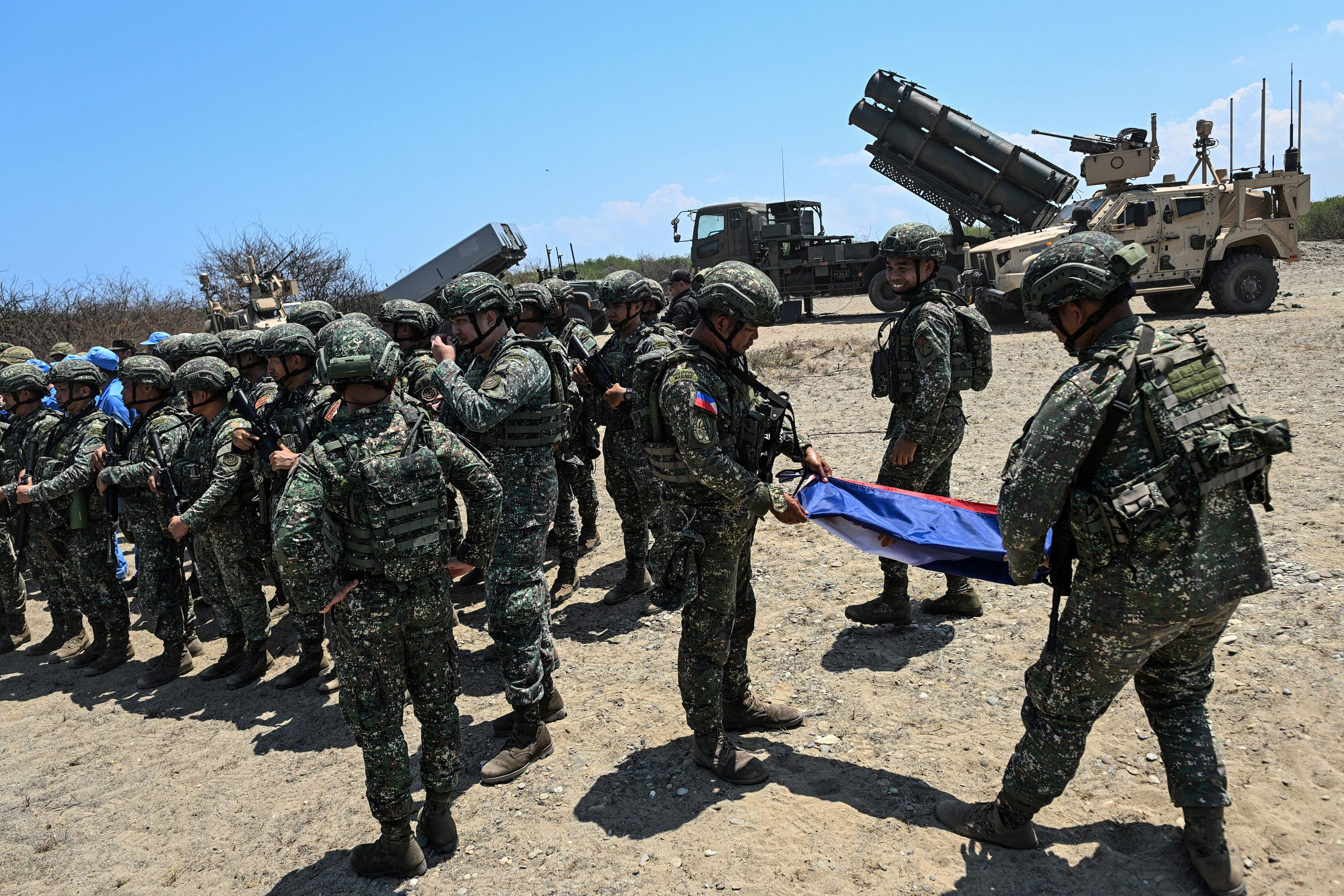
The live-fire drill formed part of the annual “Balikatan” war games, a long-running joint exercise between Manila and Washington that this year includes expanded participation from allied nations.
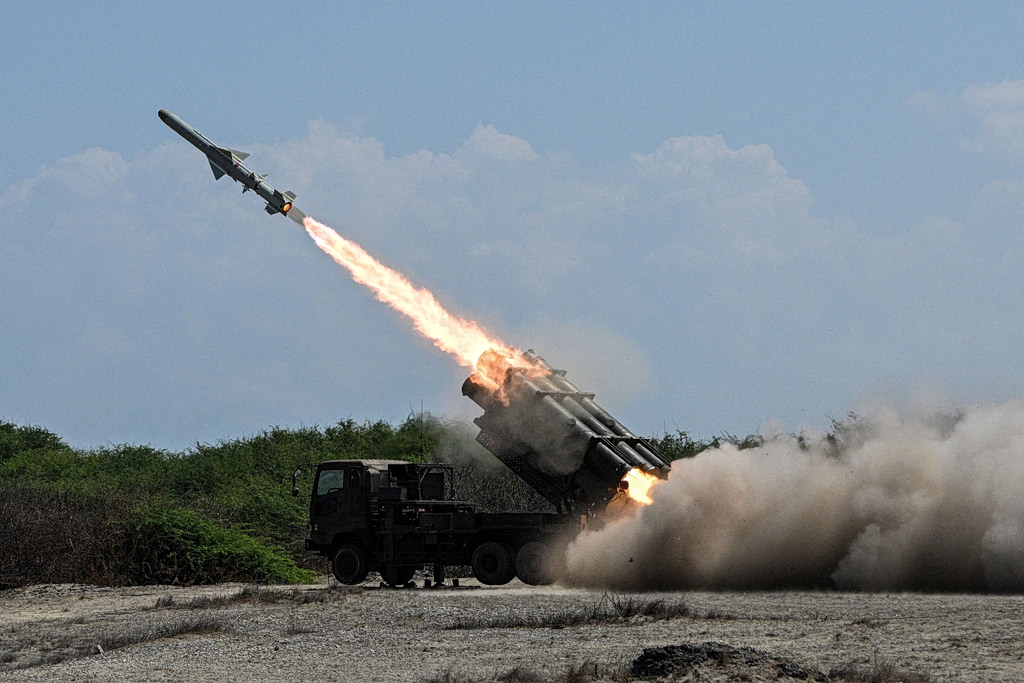
A Japan Ground Self-Defense Force (JGSDF) Type 88 surface-to-ship missile launcher fires during the Joint Task Force (JTF) Maritime Strike, part of Balikatan, the annual joint military exercises between the United States and the Philippines, at Culili Point Sand Dunes, Paoay, Ilocos Norte province, Philippines, May 6, 2026. REUTERS/Noel Celis TPX IMAGES OF THE DAY
According to Philippine military officials, two volleys of the Type 88 missile were launched, successfully hitting the BRP Quezon within six minutes. The target was located around 75 km (46.6 miles) off the coast of Paoay in northern Philippines.
Japan’s missile system is designed to defend coastal areas and deter maritime threats, the Philippine Department of National Defense said.
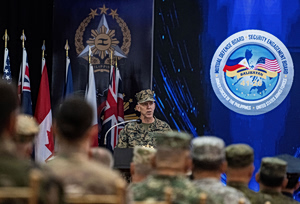
The exercise was observed on-site by Philippine Defense Secretary Gilberto Teodoro and Japan’s Defense Minister Shinjiro Koizumi, while Philippine President Ferdinand Marcos Jr. monitored the operation remotely from military headquarters in Manila.
In a statement, the Philippine military said the drill demonstrated coordinated maritime strike capabilities among allied forces and highlighted Manila’s growing ability to operate alongside international partners to promote regional security and freedom of navigation.
“I’m very, very proud and happy that we were able to pull this off for the first time and it will only get larger in scope with more partners,” Teodoro said.
The drills come as Japan and the Philippines begin discussions on a potential transfer of defense equipment, following Tokyo’s decision to ease restrictions on military exports. Talks include the possible early transfer of Abukuma-class destroyers and TC-90 aircraft, according to Koizumi.
This year’s Balikatan exercises involve more than 17,000 troops, including around 10,000 from the United States and 1,400 from Japan. Other countries, including Canada, France and New Zealand, are also participating for the first time, reflecting the Philippines’ expanding network of security partnerships.
Earlier in the exercises, U.S. and Philippine forces deployed an anti-ship missile system in Batanes province, near Taiwan, as tensions persist over the self-governed island claimed by China.
Beijing has repeatedly criticized such joint drills, saying they contribute to rising tensions in the region.