More than half of Greece’s water losses in some parts of the network highlight the urgent need for infrastructure upgrades and a new approach to water management, according to a new analysis by EY-Parthenon, the strategy and transactions arm of EY Greece.
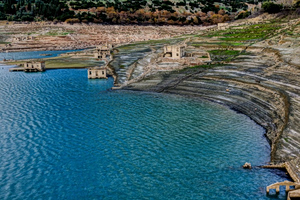
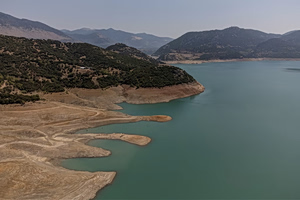
The report states that climate pressures, prolonged drought conditions, declining water reserves and outdated infrastructure are pushing the country’s water sector to a critical turning point.
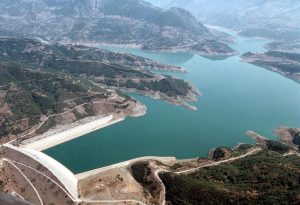
Water infrastructure is no longer viewed only as a provider of a basic public service, but as a strategic asset linked to economic resilience, environmental sustainability and long-term public policy planning.
Water losses and infrastructure challenges
According to EY-Parthenon, water losses across Greek networks exceed 30% to 40% in many cases, while in certain areas they can surpass 50%. The high levels reflect aging infrastructure, the need for improved maintenance, better monitoring of water flows and consumption data, and more efficient management systems.
The analysis also highlights that water reuse remains limited, at around 2%, while irrigation accounts for approximately 85% of total water consumption. More than 70% of irrigation water comes from underground reserves, underlining the need for more efficient and circular approaches to water use.
Fragmented sector facing pressure for change
One of the main characteristics of Greece’s water management sector is its fragmentation. The market includes 129 municipal water and sewage companies, more than 450 irrigation organizations and a wide network of local authorities.
EY-Parthenon notes that this structure affects efficiency, investment capacity and the pace of modernization, particularly as the sector faces growing demands related to resilience, governance, service quality and regulatory compliance.
Many smaller providers continue to face financial pressure, with revenue from water bills often insufficient to fully cover operating costs and support major investments.
Investment needs reach billions
Despite the challenges, EY-Parthenon points to growing investment opportunities in Greece’s water sector.
The medium- and long-term infrastructure needs are estimated at around €10 billion, while planned or ongoing investments by the country’s two largest water companies exceed €3 billion for network upgrades, expansion, modernization and efficiency improvements.
The report says investor confidence in the sector is also increasing, reflected in recent market performance of listed companies operating in the water industry.
New regulations reshape the sector
Changes in the regulatory framework are expected to further transform water management in Greece.
The expanded role of the Regulatory Authority for Waste, Energy and Water (RAAEY), stricter European obligations on wastewater management and efforts to reduce fragmentation are moving the sector from discussion toward implementation of reforms.
These changes create both opportunities and new requirements, including greater transparency, stronger reporting obligations, improved accountability and more reliable long-term planning.
EY-Parthenon emphasizes that future challenges are not only technical but also involve financial sustainability, pricing policies, digital transformation, investment priorities and cooperation between public and private stakeholders.
Commenting on the findings, EY Greece partner and EY-Parthenon Greece leader Tasos Iosifidis said that water infrastructure is essential for economic resilience, social cohesion and sustainable development, adding that organizations across the sector must work together on a clear strategic roadmap.
EY-Parthenon Greece Director and Head of Economic Studies Konstantinos Thanaskos added that the water sector is expected to attract increasing interest in the coming years, balancing investment needs with the need to preserve water as an accessible public good.