 Μake us preferred on Google
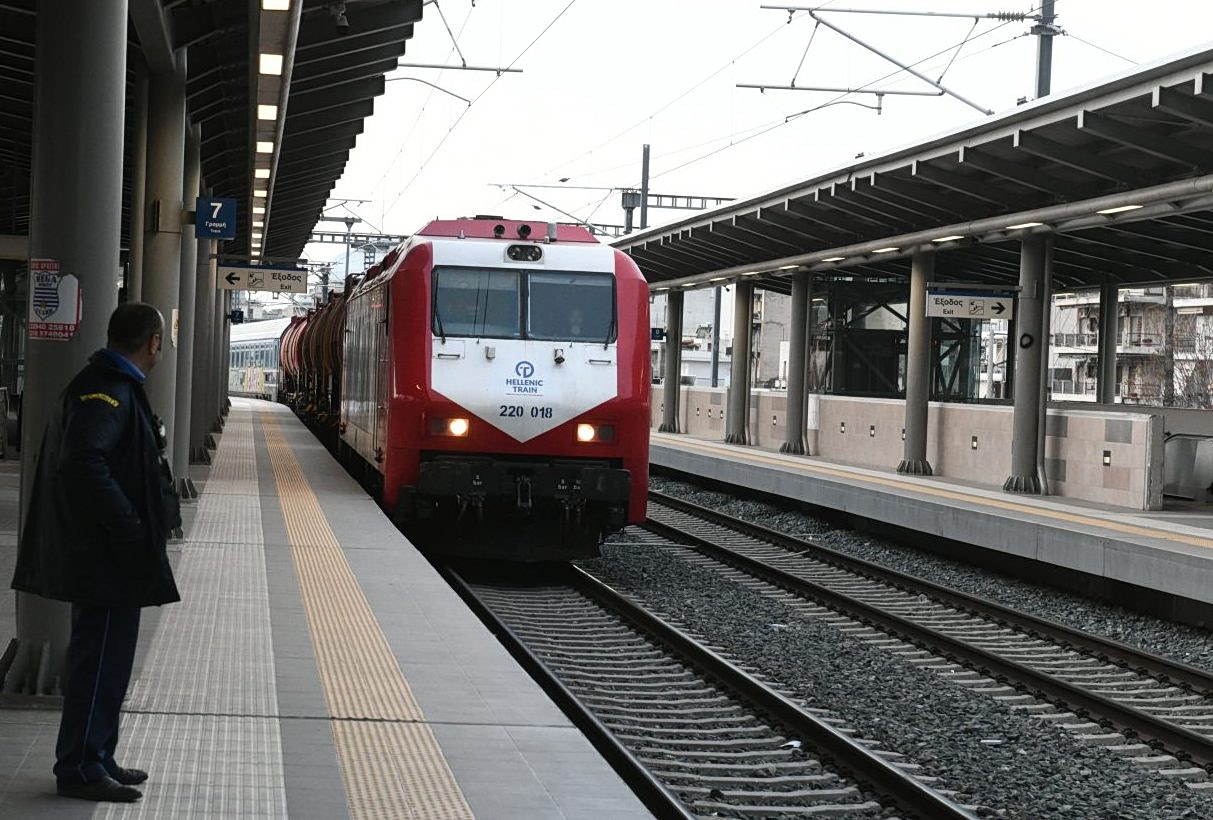
 Nearly three years after a deadly rail crash shook public confidence, the Greek government has ordered 23 new electric trains and rewritten its contract with Hellenic Train, locking in €420 million in total investments and introducing stricter rules on safety, performance, and accountability.
Under the revised agreement, announced by the Ministry of Transport, the new trains must be delivered and operating in Greece by 2027. Failure to meet the deadline could trigger contract termination. The deal also activates penalties for delays, tightens fleet maintenance and availability standards, doubles passenger compensation in serious incidents, and mandates safety training for critical staff. Service performance will be monitored digitally through a new geolocation system, rather than operator self-reporting.
New generation rolling stock
The 23 new trains are next-generation electric multiple units designed for both intercity and suburban passenger services. Each intercity train will offer 335 seats, while suburban units will seat 362 passengers. The trains feature step-free boarding with low floors, large windows, adaptive LED lighting, enhanced sound insulation, and dedicated spaces for bicycles, strollers, and large luggage.
NEWSLETTER TABLE TALK
Never miss a story.
Subscribe now.
The most important news & topics every week in your inbox.
On the technical side, the trains will fully integrate European Train Control System (ETCS) technology for speed and traffic supervision, along with a centralized train control and monitoring system that allows real-time oversight and automatic interventions when needed. They are designed for a top speed of 160 km/h, with the potential for upgrades where infrastructure allows, and are expected to reduce energy consumption by up to 10%.
Of the total fleet, 12 trains will serve the main Athens–Thessaloniki corridor, Greece’s busiest intercity route, while 11 will reinforce suburban rail services in the Athens and Thessaloniki metropolitan areas.
Investment and modernization
Hellenic Train will fully fund the €308 million cost of the new rolling stock. The revised contract also obliges the company to invest an additional €20 million in refurbishing the existing fleet and €35 million in maintenance facilities and systems.
Parallel infrastructure projects on the Athens–Thessaloniki axis are progressing on schedule. By summer 2026, the double-track line is expected to operate with full signaling, centralized remote control, and ETCS automatic train braking throughout. Once completed and combined with the new trains, travel time between Athens and Thessaloniki is expected to fall to under 3.5 hours.
Similar safety systems are being installed on the northern section of the network toward the country’s border, while rehabilitation works are advancing on key regional lines. Several suburban rail extensions and regional connections are also scheduled for completion by 2027.
Stricter penalties and passenger protection
From January 1, 2026, a tougher penalty framework will apply to train immobilizations caused by technical failures. If disruptions exceed 10% of annual services under defined conditions, the state will have the right to terminate the contract. Financial penalties can reach up to €1 million, alongside increased passenger compensation.
For the first time, the contract explicitly provides for doubled compensation in cases of serious incidents. If the rollout of the new trains falls behind schedule, Hellenic Train will have a six-month compliance window before the state can permanently revoke the agreement and reassign services to another operator.
The agreement also clarifies financial flows: Hellenic Train currently receives €21 million annually under a capped subsidy framework, with the remaining €29 million returning to the state through infrastructure access fees and rolling stock leases.
A reset for Greek railways
Government officials described the overhaul as a turning point. The revised contract, they said, addresses long-standing weaknesses through modern safety systems, new trains, and enforceable standards. The order marks Greece’s first purchase of brand-new trains in two decades and represents the largest foreign investment in land transport in the country’s history.