 Μake us preferred on Google
 Greece is preparing for the annual transfer of the Holy Fire from Jerusalem, as the traditional ceremony takes place under strict security measures and limited access to sacred sites in the Old City.
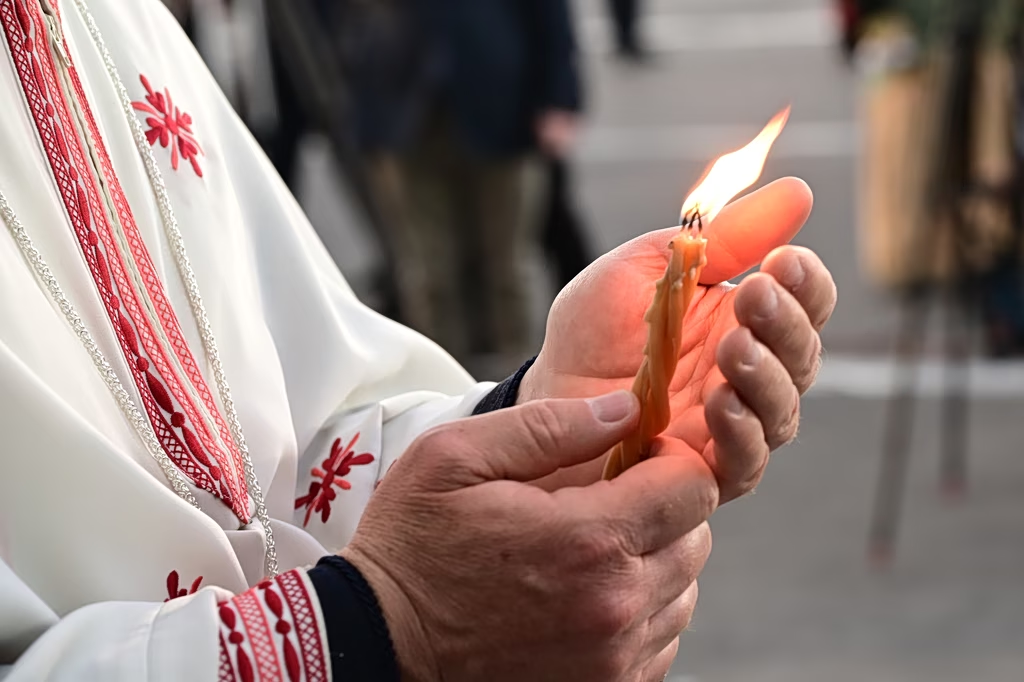
The Holy Fire is lit each year during Holy Week at the Church of the Holy Sepulchre, one of Christianity’s most important pilgrimage sites. This year, however, the ceremony is being held under unusually tight restrictions due to heightened security conditions in the region.
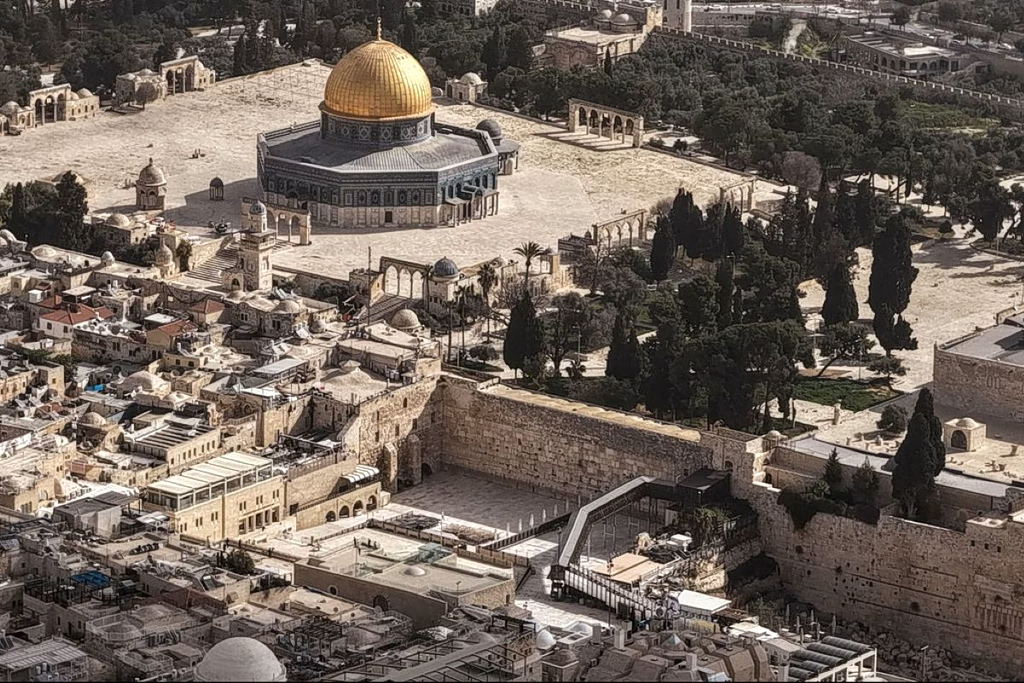
Access to the church is heavily controlled, with reports indicating that only a small number of clergy members are permitted inside. Authorities are closely monitoring entry points throughout Jerusalem’s Old City, restricting movement for most visitors.
Tight security during Holy Week in Jerusalem
Security measures extend beyond the church itself, with increased police presence across key areas of the Old City. Entry through major gates is being strictly regulated, and access is largely denied to the general public.
Restrictions are expected to become even stricter on Holy Saturday, when the Holy Fire ceremony takes place. According to available information, only permanent residents of the Old City may be allowed limited access during the day.
Multiple scenarios for transport to Greece
In anticipation of the ceremony, preparations are already underway for the Holy Fire’s transfer to Greece. Authorities are examining several possible routes depending on security developments.
The primary plan involves a direct flight from Israel to Greece, provided conditions allow. Alternative options include transporting the flame via Jordan or through Egypt’s Sinai Peninsula.
Final arrangements will be determined based on the security situation in the region as the ceremony approaches.