 Μake us preferred on Google
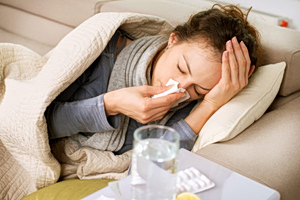
 As winter reaches its peak in Greece, hospitals are seeing an increase in influenza A cases and other viral infections such as RSV. Health authorities emphasize that while the rise in cases is expected, vigilance remains crucial.
Flu Transmission and Duration
According to pediatrician Katerina Katsibardi, influenza can follow a biphasic course. Symptoms may initially peak for two to three days, briefly subside, and then return. Parents are advised to monitor children closely, especially if fever persists, to prevent complications such as ear infections, bronchitis, pneumonia, or, in rare cases, encephalitis.
Even after a patient’s fever has decreased, flu transmission can continue for five to ten days, making it important for infected individuals to remain at home and avoid contact with vulnerable populations, including the elderly and immunocompromised.
Vaccination and Treatment Availability
Deputy Health Minister Marios Themistocleous confirmed that around 2.8 million citizens have been vaccinated this season, slightly more than in previous years. There is adequate supply of vaccines and antiviral medications, and authorities encourage anyone with symptoms to consult a doctor promptly and stay home until fully recovered.
Hospital Situation
Hospitals are experiencing higher patient traffic, but Themistocleous reassured the public that there is no reason for panic. While some temporary strain exists, the overall healthcare system is managing the seasonal surge. Long-standing issues with temporary beds, known as “rantsa,” have been largely resolved in most hospitals, except for Attiko Hospital, where capacity improvements are ongoing.
Prevention Measures
Health experts stress the continued importance of:
- Flu vaccination, especially for children and high-risk groups
- Avoiding crowded spaces
- Frequent ventilation of indoor areas
- Keeping children home even after symptoms ease to reduce transmission
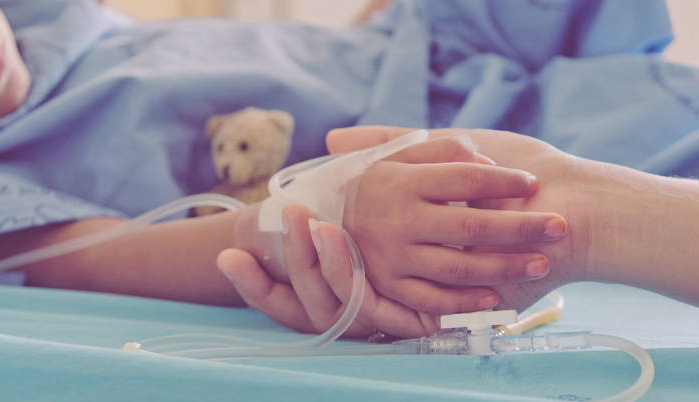
While severe complications are rare, cases such as a 6-year-old developing encephalitis underline the need for preventive action and close monitoring.