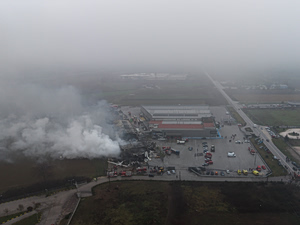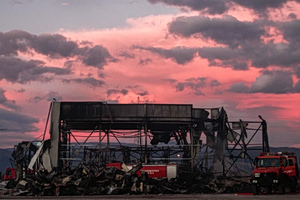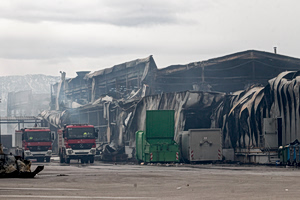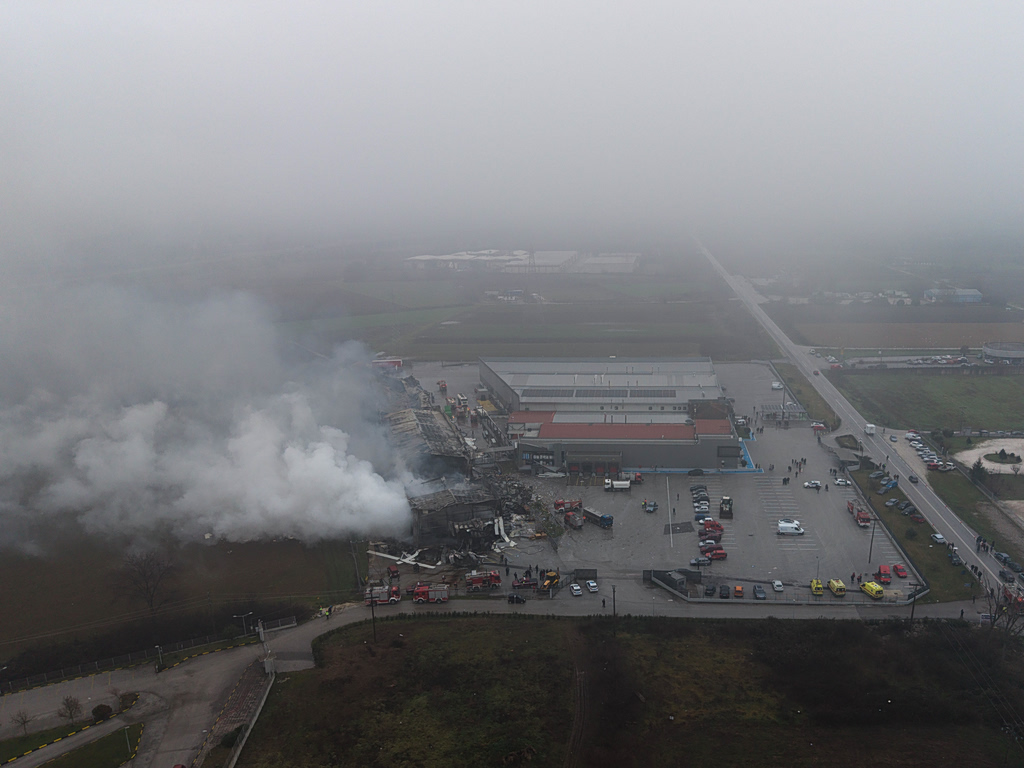
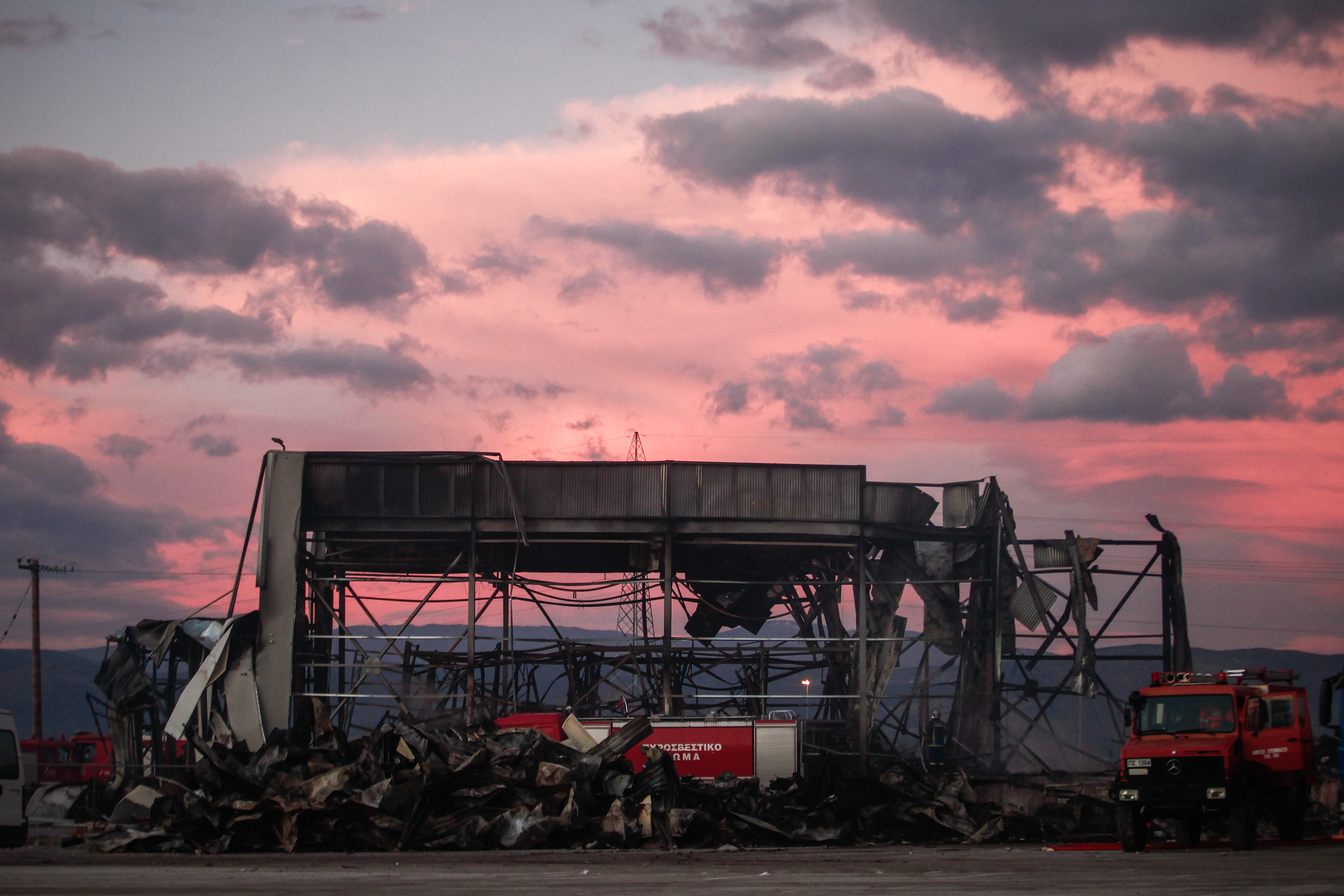
In the aftermath of the deadly explosion and fire at the Violanta biscuit factory that killed five women workers, new reporting by ThessPost.gr has brought renewed attention to a chronic and largely invisible problem in Greece: the severe understaffing of workplace health and safety inspectors.
According to ThessPost.gr’s reporting, only four labor inspectors specializing in health and safety — one of them a supervisor — are responsible for overseeing nearly 6,000 businesses across the regional units of Karditsa and Trikala.
Panagiota Rozou, president of the Association of Health and Safety Labor Inspectors and Labor Inspectorate Employees, told ThessPost.gr that nationwide, Greece currently employs just 233 health and safety labor inspectors, including those serving on the islands, based on the official 2024 annual report. By comparison, in 2000, the Labor Inspectorate had provisions for 415 health and safety inspector positions.
“This is not a bureaucratic gap,” Rozou said. “It is a critical safety issue that directly affects human lives.”
One inspector, thousands of businesses
The situation in Karditsa and Trikala is not unique. According to Rozou similar shortages exist in other regions, including Evros and Rodopi, where just three inspectors — one of which is serving as supervisor — are responsible for all local businesses.
On average, a single health and safety inspector in Greece is expected to oversee more than 1,700 enterprises. This workload makes frequent and thorough inspections virtually impossible, particularly in high-risk industrial settings.
Rozou emphasized that increasing the number of inspectors would allow authorities to prioritize businesses with higher safety risks, conduct more frequent checks and apply real pressure on employers to comply with safety regulations.
“Employee safety must be the top priority,” she said. “Employers who try to save money by rolling back safety measures should expect inspections and face consequences.”
Fewer health and safety inspectors and an aging workforce
The problem is compounded by long-term staffing policies. As Rozou explained to ThessPost.gr, many vacant inspector positions were abolished under austerity-era legislation, while retirements continue unabated without hiring replacements in sufficient numbers.
“In the best-case scenario, two to five inspectors are hired each year — and some years, none at all,” she said. “Our numbers keep shrinking, and the average age of inspectors is now over 55.”
Based on the number of businesses and inspection needs, Rozou estimates that Greece should employ at least 500 health and safety inspectors, which is double the current figure. Even then, she noted, it would still be impossible to inspect every workplace daily, but it would significantly improve compliance and prevention.
“The more inspections intensify, the more pressure there is on businesses to follow the law and properly maintain safety systems,” she said. “That would undoubtedly lead to fewer serious and fatal workplace accidents.”
Source: thesspost.gr