Kalentzi is more than a mountain village in Achaia. It is the birthplace of one of the most prominent political figures in modern Greece.
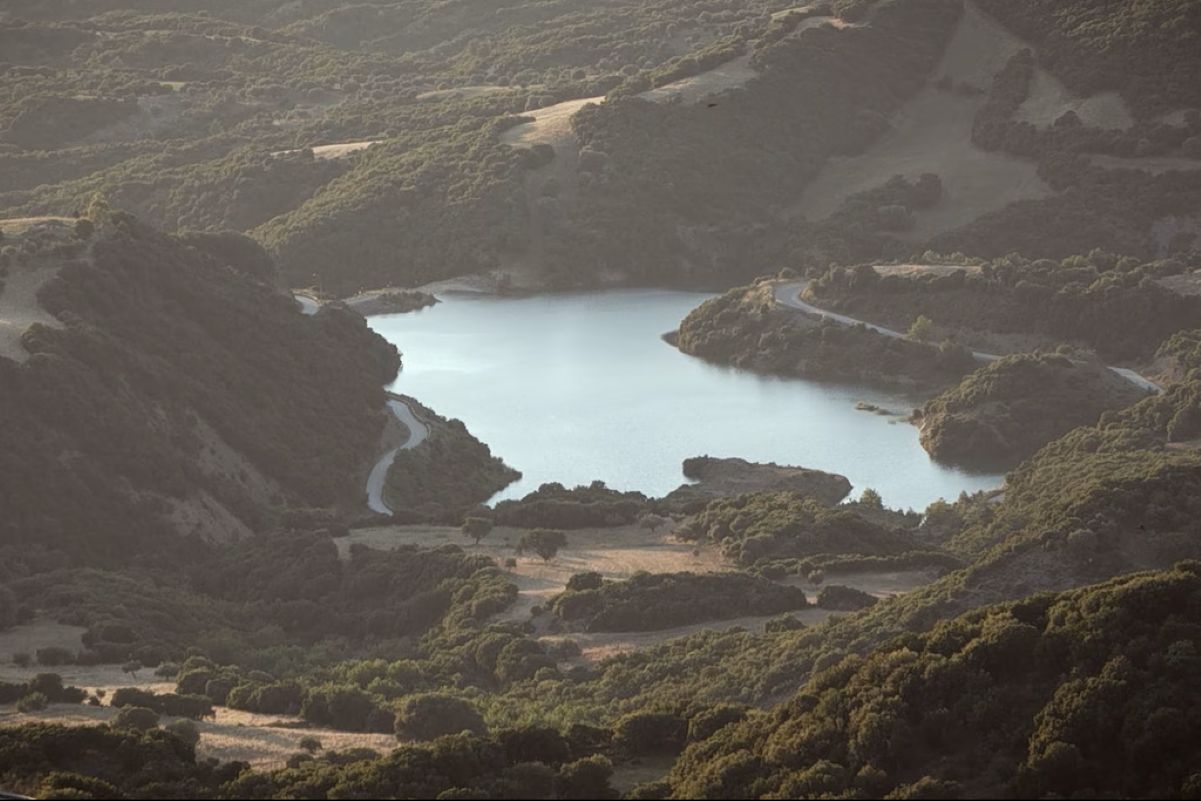
Perched on Mount Erymanthos and surrounded by slopes and streams, with stone houses that have withstood the passage of time, the village was the birthplace of Georgios Papandreou, patriarch of a political dynasty that has played a central role in Greek politics for decades. For visitors seeking to engage with the country’s modern history, names and events such as the Struggle Without Compromise, the Apostasia political crisis, the military junta, and the imprisonment and exile of members of the Papandreou family inevitably come to mind.
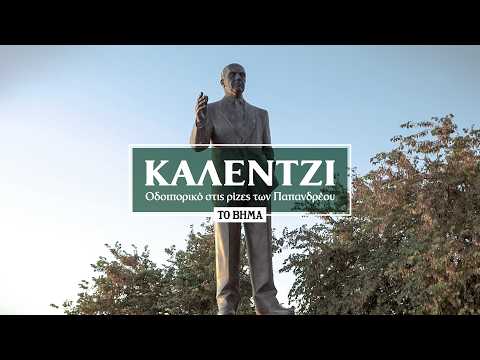
As the village’s few remaining residents recount, Kalentzi never lived in Athens’ shadow. Instead, it became a silent witness and a point of reference for a political narrative closely associated with Greece’s democratic tradition, to which the family repeatedly returned. At the entrance to the village stands a statue of Andreas Papandreou, gazing into the distance toward a statue of his father, Georgios Papandreou.
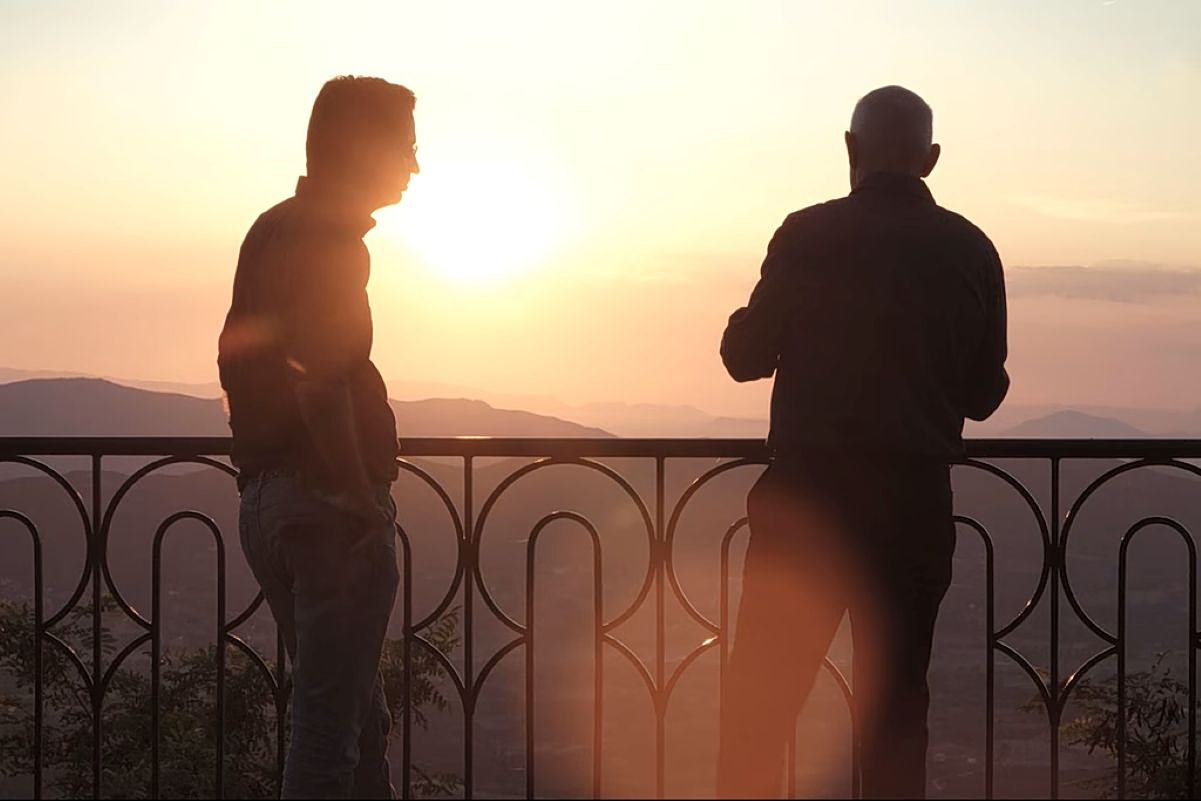
“Perhaps Andreas is greeting his father and speaking to him. Their relationship was dynamic, political and creative, and he never had the chance to say a final goodbye,” former prime minister George Papandreou said emotionally during To Vima’s journey to the historic village.
On the 52nd anniversary of the founding of PASOK, the former prime minister welcomed To Vima to his family’s ancestral home and shared personal memories of his father and grandfather. He recalled childhood moments that have stayed with him, including stories about Kalentzi that his father used to tell him while the family was living abroad.
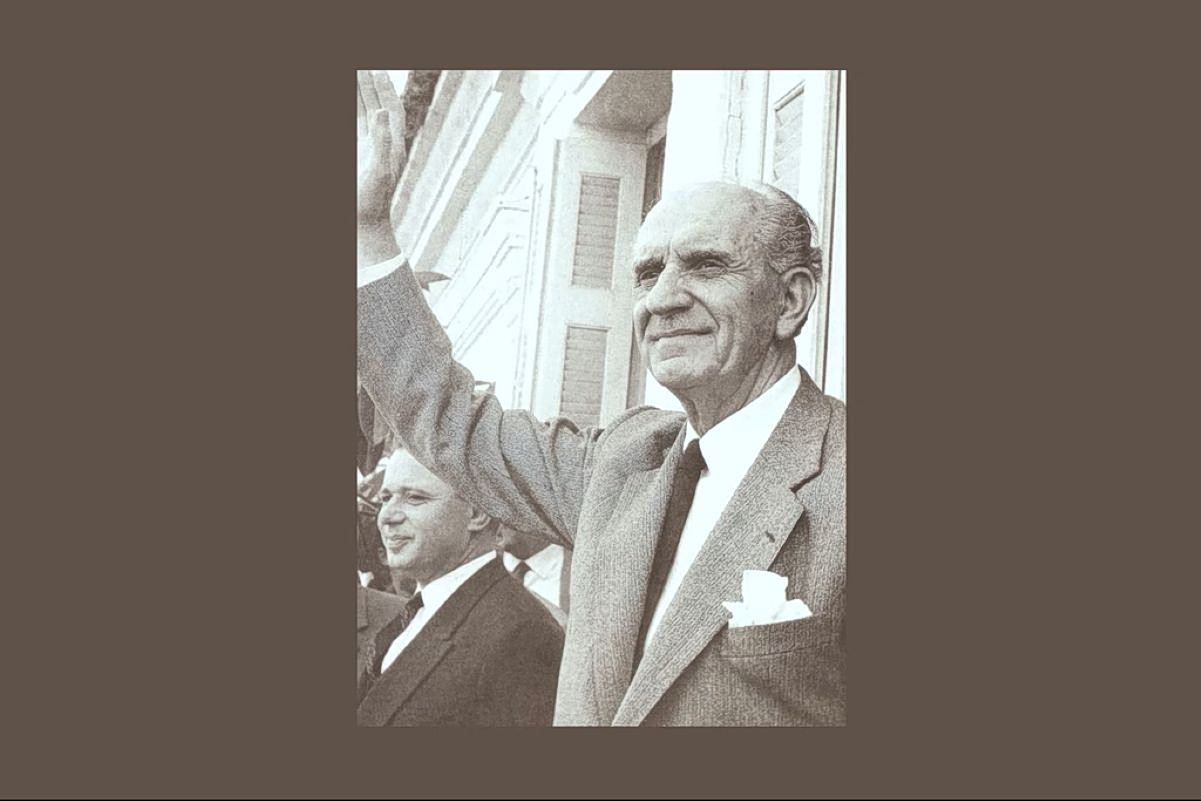
He remembers his mother handing out notebooks and pencils she had brought from the United States to village children, who ran barefoot in those years.
He also remembers his grandfather’s affection for him and his siblings, as well as the struggles he waged in defense of democracy. The family home, now converted into a museum, serves through its exhibits as an archive of Greece’s democratic political tradition.
At the same time, however, Papandreou voices concern over the abandonment of rural areas and sees the country’s demographic crisis weighing heavily on Kalentzi as well. The village, he stresses, has considerable potential for development.