Obesity, chronic disease, and limited access to healthcare are among the key challenges facing Greece’s population, according to a report released on Wednesday by the Hellenic Statistical Authority.
Based on 2025 data, the report shows that while a large majority (78.5%) of Greeks over 16 rate their health as good or very good, underlying risk factors continue to pose serious long-term concerns. These include rising obesity levels, persistent smoking rates, and unequal access to medical services.
Nearly one in four people (24%) reported living with a chronic health condition, with women (26.5%) affected more than men (21.4%), pointing to the need for targeted prevention and health policies.
Supporting this data, a report released last year by the World Health Organization (WHO) found that more than one-third of Greek children aged seven to nine were overweight or obese.
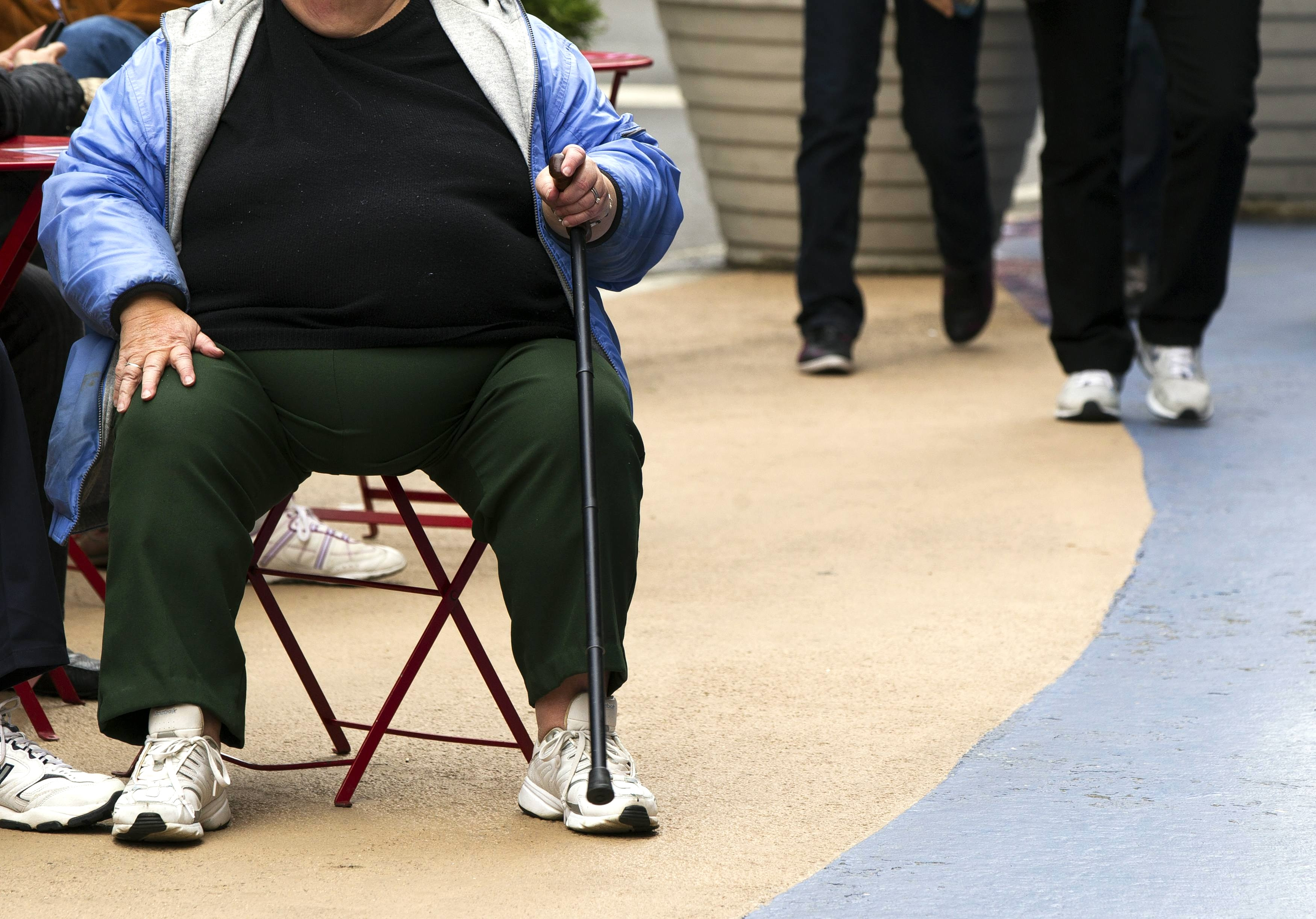
Weight-related issues are particularly alarming. Almost half of the population is overweight (42.1%), while 12.9% is obese. The figure is even higher among men, with one in two classified as overweight. Experts link these trends to increasingly sedentary lifestyles, with nearly three in 10 (31.8%) working in desk-based jobs, and almost one in 10 reporting no physical activity at all per week.
In the meantime, unhealthy habits remain widespread with more than one in five Greeks (22.6%) smoking daily. The rate is significantly higher among men. Although many people consume fruits (56.9%) and vegetables (60.1%) regularly as part of the Mediterranean diet, this does not appear sufficient to offset other harmful behaviors.
Access to healthcare also remains uneven. More than half of the population (57.6%) needed medical care in the past year, yet more than one in five did not receive it every time it was required. The gap is wider among lower-income groups. Dental care shows a similar pattern, with nearly half needing treatment but 30.5% unable to access it, largely due to cost.
Financial pressure is a major factor, with 10.5% of people reporting significant difficulty affording medicines or supplements.