

 Μake us preferred on Google
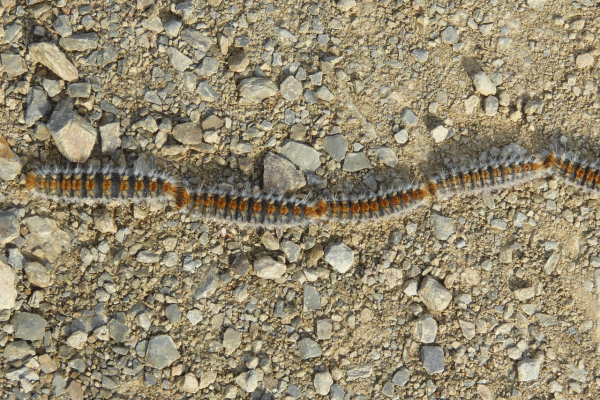
 Spring brings more than warmer weather—it also brings a hidden danger for dog owners: pine caterpillars. These common insects, appearing from late winter through spring, carry microscopic toxic hairs that can seriously harm dogs if inhaled, ingested, or touched.
How Caterpillars Affect Dogs
Veterinarian Maria Chaikali explains that the threat is not from bites, but from the tiny hairs covering the caterpillars’ bodies. Curiosity often leads dogs to sniff or mouth these caterpillars, putting their tongues, lips, eyes, and noses at risk. Immediate reactions may include excessive drooling, swelling of the tongue and lips, pain, anxiety, and breathing difficulties.
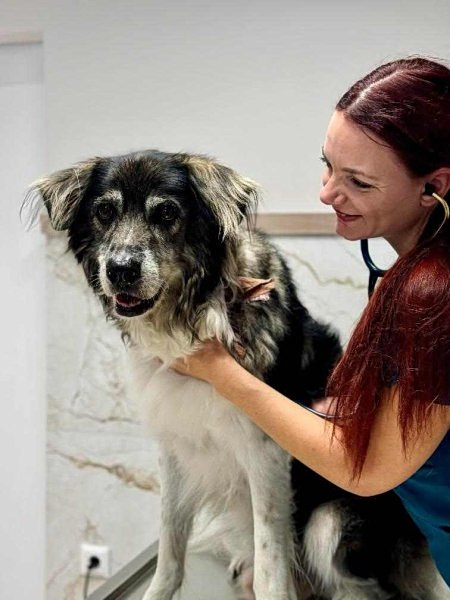
Veterinarian Maria Chaikali
In severe cases, these toxic hairs can cause necrosis, permanently damaging parts of a dog’s tongue and affecting its quality of life. Chaikali warns that owners may not always recognize the danger, stressing the importance of prompt veterinary attention if a dog shows sudden distress, frothing, or difficulty swallowing.
Preventive Measures
Chaikali advises caution during walks in pine-rich areas, especially in spring. Keeping dogs on a leash and avoiding caterpillars can help prevent exposure. If contact occurs, she emphasizes rapid transport to a veterinarian.
Veterinarian Maria Chaikali, a graduate of the University of Thessaly, has specialized training in animal surgery and anesthesia, with experience in clinics across Athens and Thessaloniki. She runs the Vet Hood Project Veterinary Center, where she provides expert care for pets at risk from environmental hazards like toxic caterpillars.