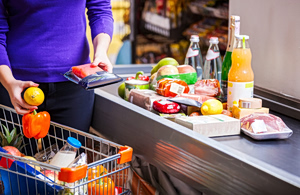
Rising supermarket prices continue to strain household budgets in Greece, as food inflation outpaces overall inflation and shows little sign of easing, according to newly released official data.
Figures published by Greece’s national statistics authority show that food prices rose by 3.6% year over year in December, significantly higher than the overall inflation rate of 2.6%. The trend has fueled growing concern over the cost of living, particularly as price increases extend beyond groceries to housing, energy, and services.
Some of the steepest annual increases were recorded in everyday supermarket items. Chocolate prices surged by 20%, while meat rose by 13.1%. Fruit prices climbed 10.6%, coffee jumped 20.9%, and dairy products and eggs increased by 4.4%. Bread, bakery goods, and confectionery products also posted steady gains, adding to the cumulative pressure on food bills.
Beyond supermarket shelves, households faced higher costs in several key areas. Rents rose by 8.4%, electricity prices increased by 4.1%, and restaurant and café prices climbed 7.4%. Airfare jumped by nearly 12%, while package holidays became 7.2% more expensive, underscoring broader inflationary pressures across the economy.
Price increases were not limited to annual comparisons. Between November and December alone, fresh vegetables rose by 4.6%, olive oil by 3.3%, fresh fish by 4.4%, and beef by 1.5%. Clothing, rents, electricity, and air travel also recorded month-to-month increases.
Looking ahead, inflation forecasts remain cautious. Even the most optimistic projections place inflation above 2%, exceeding the benchmark set by the European Central Bank. Government estimates put inflation at 2.6% this year, easing to 2.2% in 2026 and 2027. Other projections suggest inflation could rise further in the coming years, partly due to expected changes affecting energy costs.
Data from the European Union’s statistics office add to the concern. Greece’s harmonized annual inflation rate rose to 2.9% in December from 2.8% in November, widening the gap with the eurozone average. Food, alcohol, and tobacco prices accelerated sharply, while service inflation remained elevated, particularly in tourism-related activities.
Although energy prices declined on an annual basis, the overall picture points to persistent inflationary pressure, especially in essential goods and services. For Greek consumers, the steady rise in supermarket prices remains a central challenge, with uncertainty over how quickly — or whether — meaningful relief will arrive.