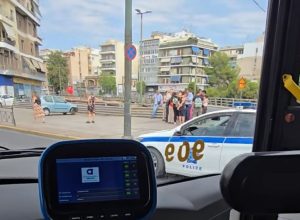
The familiar roadside warning triangle, long considered an essential piece of emergency equipment for cars, is being phased out in parts of Europe. From 2026, it will be replaced by a safer and more advanced device: the V16 safety beacon.
Why Triangles Are Being Replaced
Warning triangles, usually stored in the trunk, have proven risky. In the event of an accident or breakdown, drivers must exit their vehicle—often on busy highways—to place the triangle at a distance behind their car. This has led to tragic consequences.
In Spain alone, between 2019 and 2022, 42 people lost their lives while attempting to place warning triangles on roads and motorways. Similar incidents across Europe have fueled the shift to safer alternatives.
How the V16 Beacon Works
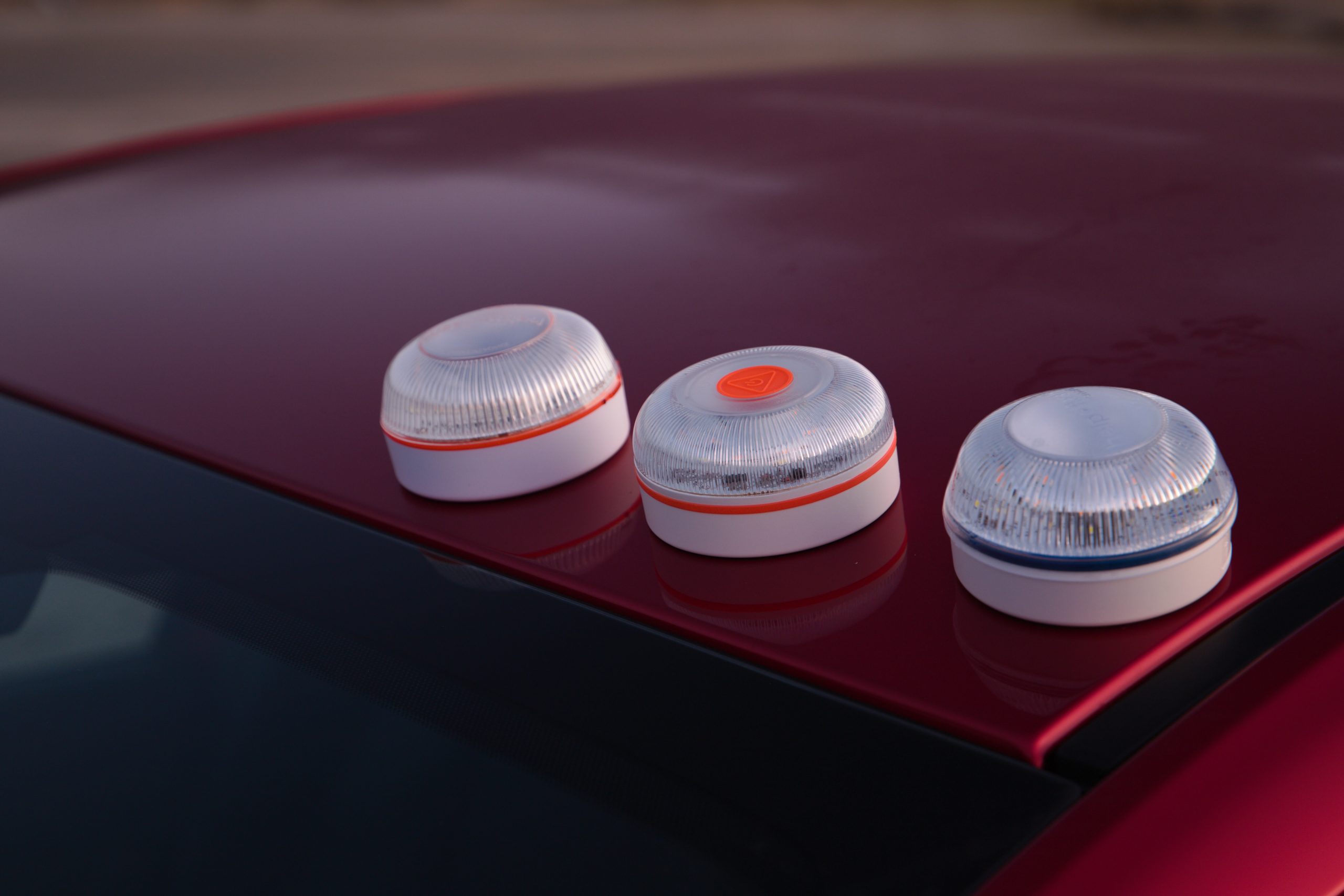
The V16 beacon is a compact, easy-to-use light that can be activated without leaving the vehicle. Once switched on, it not only makes the car visible to other drivers but also transmits the vehicle’s coordinates to traffic authorities and the transport ministry via the cloud.
These connected alerts are then shared across a real-time information network, improving overall road safety by warning other drivers and emergency services of potential hazards ahead.
A Safer, Smarter Solution
Unlike the traditional triangle, the V16 beacon prevents drivers from exposing themselves to oncoming traffic, drastically reducing the risk of secondary accidents. By combining visibility with digital connectivity, it represents a step forward in both road safety and smart mobility.
Authorities warn that not every beacon on the market meets official safety standards. Drivers are advised to purchase only certified V16 devices to ensure compliance and effectiveness.