Cities leave their imprint in places that people rarely look. In wastewater. In the unseen underground pipelines, the way we live, consume, and produce is recorded in chemical terms. It is something like a fingerprint, one that differs from place to place.
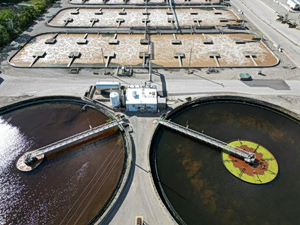
Analyses conducted at the Psyttalia Wastewater Treatment Plant (Attica) and Larissa reveal, as “chemical mirrors,” two different worlds: one urban and one rural. The first bears strong traces of pharmaceutical substances, personal-care products, cleaning agents, and industrial activity; the second shows a clear presence of plant-protection compounds that reflect the agricultural character of the Thessalian plain.
Behind these expected differences, however, the findings of a recent research study, just completed by the Laboratory of Analytical Chemistry at the University of Athens under the leadership of Professor Nikolaos Thomaidis, shed light on another, “invisible” burden: chemical compounds that until now had passed almost unnoticed by conventional measurements. Among them are substances originating from tire wear, which appear to escape treatment processes and ultimately end up in aquatic ecosystems, leaving an environmental footprint that is only now beginning to be clearly documented.
Wastewater does not function merely as a “mirror” of urban life; it also serves as a diary of everyday activity. Combined with the long-term studies previously conducted by Professor Thomaidis’s team at the Psyttalia Wastewater Treatment Plant, clear seasonal and weekly variations can now be identified in the consumption of specific chemical substances associated with social and consumer behavior.
The data show that toward the end of the week, the habits of Athens residents change noticeably. On Fridays, Saturdays, and Sundays, alcohol consumption increases. On those same days, the presence of sweetening agents declines; during weekdays these substances appear at higher levels, replacing sugar in coffee or snacks consumed as part of work routines. These fluctuations reflect changes in the rhythm of the city as well as in the mood of its inhabitants.
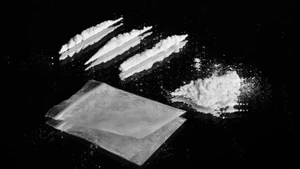
As has been noted before, cocaine use also increases toward the end of the week. According to the researchers, this suggests that beyond regular users, there are also occasional patterns of use associated with nightlife and weekends. A similar pattern is observed with the drug “ecstasy,” which, according to Professor Thomaidis, remains primarily a “weekend drug.” Although its overall use is not particularly high, it has shown signs of increasing in recent years.
Following the COVID-19 pandemic, measurements indicate that the use of substances related both to illicit drugs and antidepressants has entered a more stable phase. Nevertheless, for certain substances—such as cocaine, methamphetamine, and, to a lesser extent, ecstasy—researchers have once again observed an upward trend, particularly during 2025. This trend clearly reveals the social changes and behavioral patterns characteristic of each period.
The research team analyzed daily samples of incoming untreated wastewater and outgoing treated wastewater from the two treatment centers and recorded a wide range of chemical compounds and their behavior. Among the study’s most significant findings were chemical additives used in tires (for passenger cars, trucks, motorcycles, etc.), substances that are being detected with increasing frequency in aquatic ecosystems worldwide and are causing growing concern within the scientific community.
Substances and Brain Tumors
The study detected sixteen such compounds. Although they appear in low concentrations in urban wastewater, they are not completely removed by existing treatment processes. As a result, part of them ends up in the environment at levels that may be toxic to aquatic organisms and ecosystems.
One well-known example is the substance 6PPD, which is used to protect tires from oxidation. When it reacts—for example, with ozone—it can be transformed into a by-product that has been linked to toxic effects in certain aquatic species.
“Some of these compounds have been associated with various diseases even in humans; for example, they have been detected in brain tumors,” says Professor Thomaidis.
Toxic Risk for Aquatic Organisms
This finding demonstrates that substances detected at very low concentrations may nonetheless have a disproportionately large impact on aquatic organisms and ecosystems if they exhibit high toxicity or bioaccumulation.
“The overall toxicity of treated wastewater appears to be determined primarily by a small number of chemical compounds with a high toxic burden, rather than by the total number of compounds detected. Overall, pollutant categories such as pharmaceuticals, cosmetic chemicals, and ‘forever chemicals’ appear to impose a significantly lower toxic burden on organisms than substances such as tire chemicals, biocides, and pesticides,” the professor notes.
This conclusion points to the need for a more targeted approach to evaluating and prioritizing pollutants, based not only on individual legal limits but also on the overall “toxic burden” of each substance within the chemical mixture.
“The analytical data highlight the importance of systematic, long-term monitoring of urban wastewater so that substances of significant ecotoxicological concern, which are not adequately removed by existing treatment processes, can be identified in time and addressed through more advanced or specialized treatment methods. Only through continuous monitoring can reliable conclusions be drawn regarding chemical usage and the potential long-term impact on the environment and public health,” emphasizes Professor Thomaidis.
Previously “Invisible” Chemicals
The methodologies applied by the Laboratory of Analytical Chemistry also detected chemical compounds that had until now remained essentially “invisible” in conventional analyses. These include intermediate products of industrial processes, biocides, and surfactants—that is, residues from detergents and cleaning products.
Researchers also identified transformation products of various chemical substances: the “traces” left behind by chemical degradation processes. Examples include a pharmaceutical compound after it has been metabolized by the human body, or a pesticide after exposure to sunlight, microorganisms, or water.
According to the study’s findings at the Psyttalia Wastewater Treatment Plant, the chemicals detected and processed each day consist of:
42% industrial chemicals
40% surfactants (residues from detergents, cleaning products, etc.)
14% personal-care products
1.9% pharmaceutical substances
1.6% coffee- and nicotine-related chemicals
0.4% artificial sweeteners
0.2% illicit substances
0.1% pesticides
0.03% veterinary medicines
0.02% tire additives
0.007% perfluorinated compounds
As Professor Thomaidis explains, “These compounds are often not systematically monitored, mainly because analytical standards are unavailable or because they are not included in the lists established by European directives.”
He also points out that the new study highlights the importance of so-called “suspect screening”—advanced analytical methodologies that allow the detection of a much broader spectrum of chemical substances.
Professor Thomaidis concludes: “In this way, the previously hidden part of the wastewater ‘chemical footprint’ is revealed, providing regulatory authorities and management bodies with a far more comprehensive picture.”