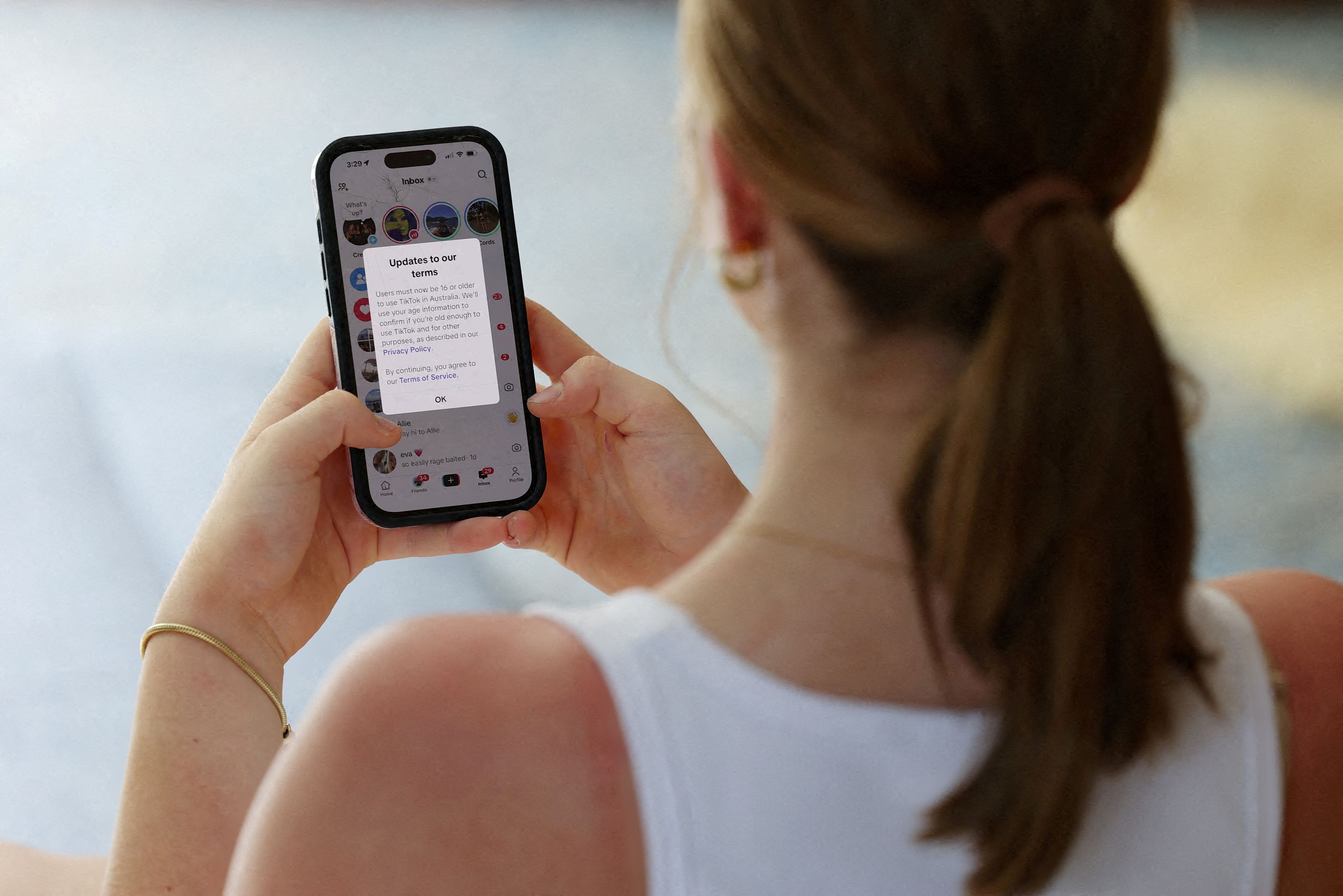
This year, the debate over banning social media for children has ignited across Europe, following Australia’s groundbreaking decision. From December 10, Australian children under 16 are prohibited from creating or maintaining accounts on platforms like Facebook, X (formerly Twitter), Threads, Snapchat, Instagram, TikTok, Twitch, Reddit, and Google-owned YouTube. Violating platforms face fines up to 50 million AUD (€28 million).
Europe is now watching closely, with countries exploring how to curb children’s access to social networks. Euronews reviews current and proposed national measures across the continent:
Denmark
In November, Denmark announced political consensus to block children under 15 from certain social media platforms, aiming to protect them from harmful content and online pressures. Parents would still have the right to allow access from age 13. The Danish government plans to implement age verification via its national e-ID system, though exact enforcement details are pending.
France
France plans to introduce a bill in early 2026 to restrict social media for children under 15. The move follows a parliamentary committee report recommending a complete ban and stricter digital limits for minors under 18. The initiative gained momentum after seven French families sued TikTok in 2024, alleging the platform exposed children to content encouraging self-harm. Children under 15 already require explicit parental consent to open accounts, and parents can request account closures.
Spain
Spanish lawmakers are considering legislation restricting children under 16 from accessing social networks, forums, messaging platforms, or any virtual spaces incorporating generative AI, without explicit parental consent. For some cases, the age threshold may be 14. Teens 16–18 could access platforms with their own consent. The law would also allow parents to control app downloads. A recent YouGov poll found 79% of Spanish parents support age restrictions similar to Australia’s model.
Greece
Greek Prime Minister Kyriakos Mitsotakis announced at the UN General Assembly that Greece is exploring a social media ban for children, inspired by Australia. Greece has already banned smartphones in classrooms and introduced the “Kids Wallet,” a parental control tool that can limit or block app access and verify a child’s age.
Italy
In May, Italy proposed a law restricting social media use for children under 15. It also targets “kidfluencers” and mandates age verification through a national digital ID system aligned with upcoming EU regulations. Italy has already enacted legislation requiring age verification for adult websites.
Germany
Germany has not yet imposed age restrictions on social media. However, a parliamentary committee is studying a potential ban for children under 16, examining broader social media impacts on German teens. A petition supporting a legal minimum age of 16 has garnered over 34,000 signatures and is under review.