 Μake us preferred on Google
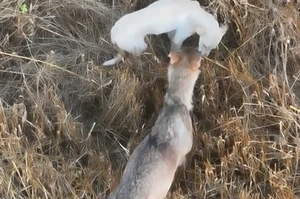
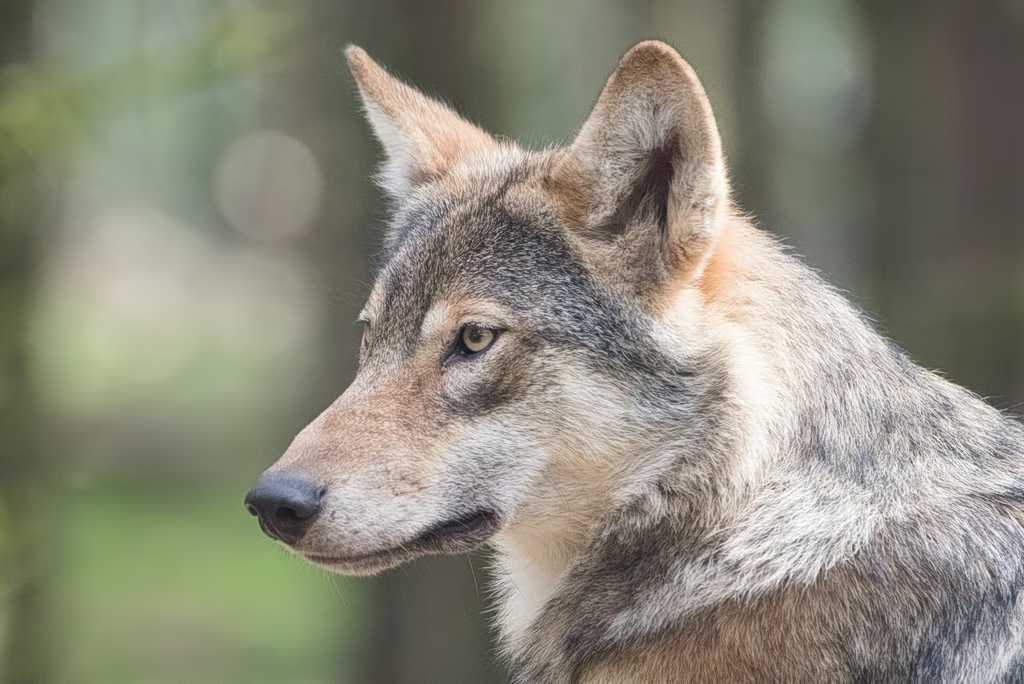
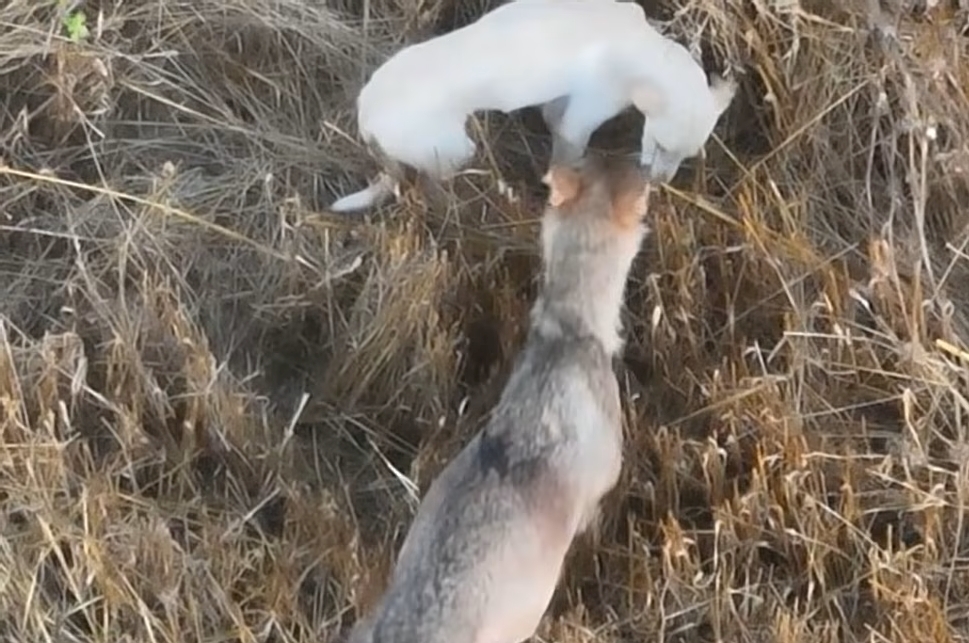
 The wolf that attacked a four-year-old child in Polichni, in western Thessaloniki, is undergoing veterinary examinations following a capture operation carried out after the incident. The female animal, which had been visiting residential areas in search of food, was found to have a serious wound and was undernourished.
The attack took place on June 30, when a canine, initially thought to be a jackal, bit and dragged a young girl for several meters, requiring her to be taken to the hospital.
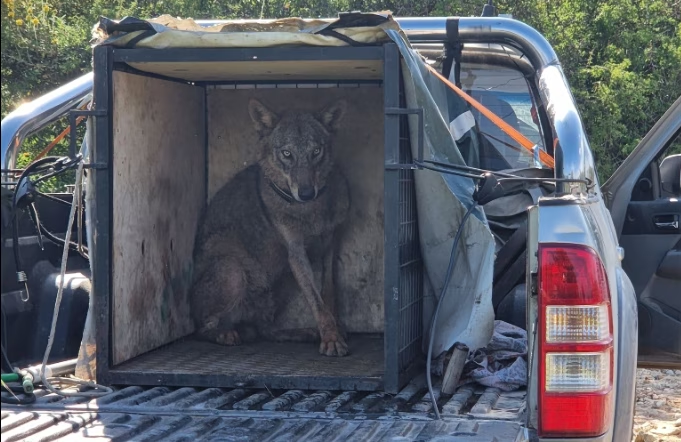
Following the incident, the Ministry of Environment’s Wildlife and Hunting Management Department decided to remove the animal from the area, and the organization Callisto set up special traps.
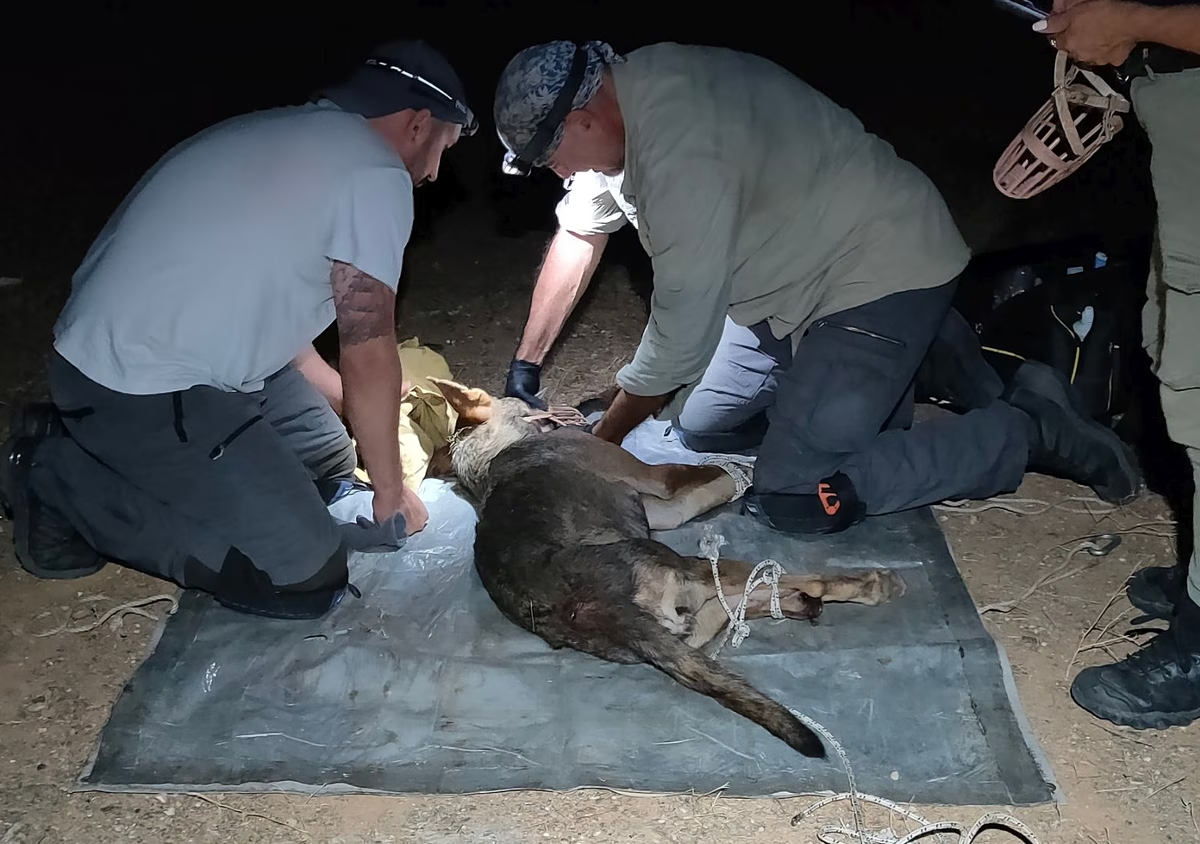
Within just one day, the wolf was caught on the night of Thursday, August 13, and was picked up by members of Callisto along with the local forestry department and OFYPEKA.
Examinations showed it was a small wolf, weighing 24.5 kilograms, in a notably poor state of health. It bore scars from older injuries, and its rear left leg was amputated, with an open, bleeding wound at the site.
The animal’s disability had already been visible during its earlier visits to residential areas in the municipalities of Pavlos Melas and Neapoli-Sykies, where it had been searching for garbage, dead animals, or strays.
“The animal’s repeated presence in residential areas and its access to human-linked food sources appear to have gradually familiarized it with human activity and presence,” the forestry department and the organizations Callisto and Arcturos said in a joint statement.
The statement stresses that a wolf’s presence near a residential or suburban area does not by itself mean the animal is going to attack a person, and that attacks by healthy wolves on humans are rare. Their approach to residential areas is often linked to the presence of easily accessible food sources, such as garbage, animal carcasses, strays, or other animals that make easy prey, like livestock kept in unguarded facilities. Repeated access to these sources can gradually lead to familiarity with human presence.
On the morning of Friday, August 14, the animal was handed over to the organization Arcturos so it could be transferred to the Wolf and Lynx Protection Center in Agrapidies, Florina, following further veterinary examinations under the supervision of the Veterinary School of the Aristotle University of Thessaloniki.