
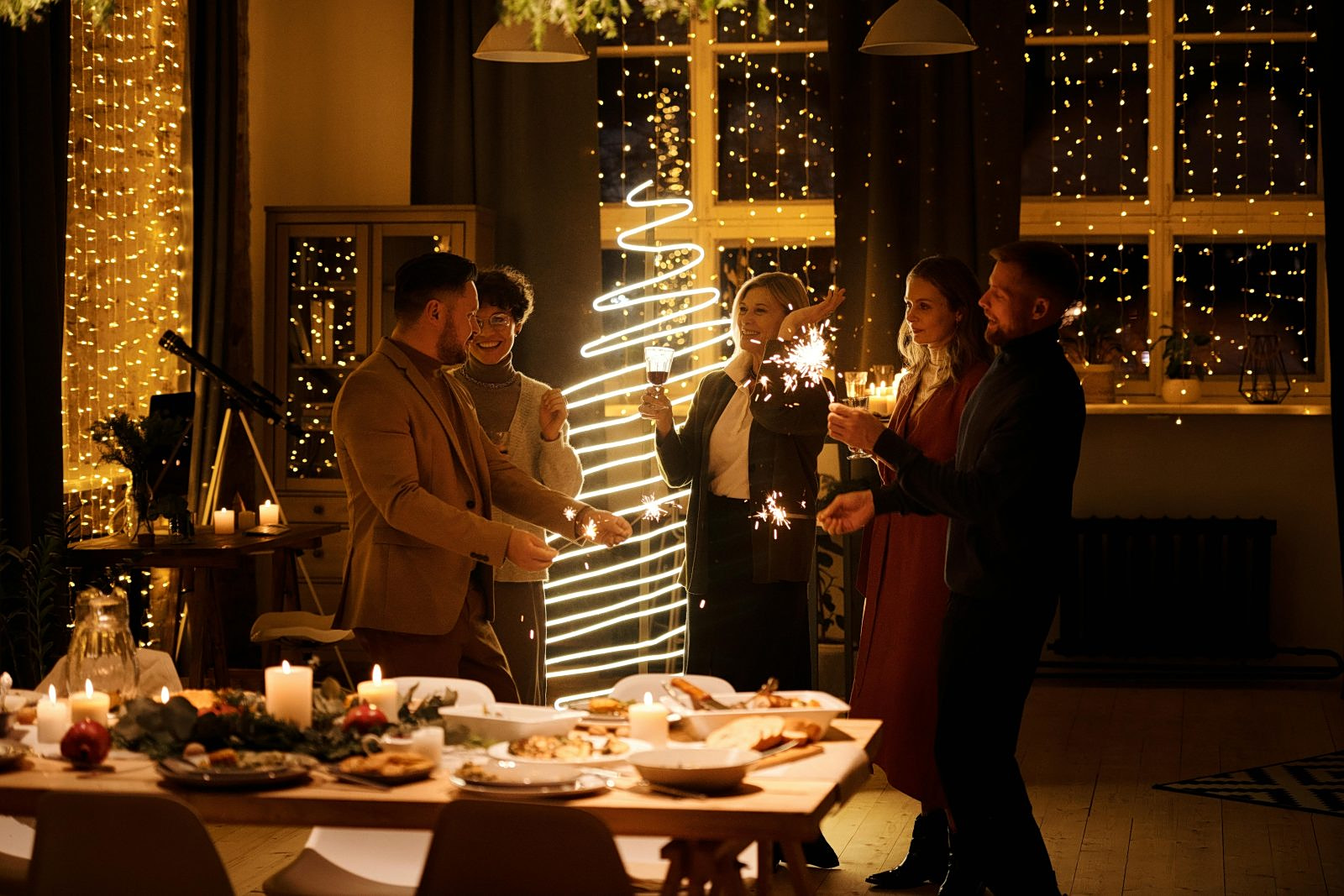
Many now choose a “Quiet Christmas”—meaning a peaceful holiday without parties, with a few friends, and without family gatherings.
There is a problem between the past and the future: the present. And usually, we hope that future Christmases will be like the old ones, when everything seemed simpler and certainly less stressful.
However, there is also a solution—or rather a remedy—against holiday blues or stress: lower your expectations. With social media in our lives, and with external pressures multiplying and affecting the way we live, this often seems impossible.
Christmas anxiety is real; it is a true story. Not everyone feels comfortable during this period. Family gatherings can seem—at best—boring, if not difficult, and the pressure of mandatory social interaction, combined with excessive shopping for gift exchanges, adds a significant psychological burden.
The Right to a “Quiet Christmas”
For decades, Christmas has been associated with beautiful images, parties, gatherings, busy schedules, and social obligations. Quiet Christmas, a calmer, less social, and more personal version of the holidays, aims to change that. The phenomenon shows that more and more people choose to distance themselves from the traditional Christmas “noise” and spend these days in a different, quieter way.
What they do, then, is leave their agenda empty, not planning anything at all for the last days of December. No visits to friends or family, no shopping that ultimately feels more stressful than enjoyable.
There are several reasons for this “turn.” Social overstimulation and anxiety affect mainly more introverted individuals or those with social anxiety. Continuous meetings and the demands of exchanging greetings can become a real nightmare. The idea of a quiet Christmas, without parties and with a small circle of people, brings relief and allows these individuals to feel better about their choices.
A second reason is reaction against excessive expectations. High demands for “perfect” holidays, full of joy and Instagram stories, often lead to stress and disappointment when they are not met.
Finally, many prefer calm and personal care. Younger generations often focus on self-care and rest, valuing tranquility, personal time, and the absence of social pressure. Even if they are alone, they do not necessarily feel lonely but enjoy peace and personal balance.
In short, Quiet Christmas reflects a significant shift in holiday culture. While traditional societies emphasized large gatherings and gift exchanges, many now choose to redefine what the Christmas period means for them.
This trend can reduce holiday stress and encourage more people to plan their days according to what truly brings them joy, whether it is peace, creating new traditions, or personal reflection.