Georges Benjamin Clemenceau, without a doubt, was captivated by ancient Greece. And he was not alone among 20th-century French political leaders. General Charles de Gaulle rarely delivered speeches without quoting Thucydides, Georges Pompidou taught ancient Greek, François Mitterrand read ancient Greek texts, and Jacques Chirac drew on them in his writings on the dialogue of civilizations. Clemenceau, however, held a firm belief: “It is impossible to be a good Frenchman without understanding the genius of the ancient Greeks,” he used to say.
Seeking to highlight this special bond between Clemenceau and classical Greece, French historian Louison Coste curated and presented an exhibition titled “Clemenceau and Greece” at the most fitting location—the statesman’s own residence on Benjamin Franklin Street in Paris.
“The aim of the exhibition was to showcase the ties that connected Clemenceau to both ancient and modern Greece, a country he visited three times before becoming prime minister,” Coste explains. He notes that although it was customary for young Europeans of privileged backgrounds in the 19th century to embark on a grand tour after their studies, Clemenceau—who had won an award for excellence in ancient Greek at just 10 years old—did not visit Greece for the first time until 1896, at the age of 55.
He stayed at the Hotel d’Angleterre in Syntagma Square, later renamed the Grande Bretagne. At the time, Clemenceau was a journalist, a former member of parliament for the “radical Left,” and a former mayor of Montmartre, who had been removed from office during the Paris Commune of 1870 as a “reactionary.” During that first visit to Greece, he met Eleftherios Venizelos, whom he later referred to in a speech—mispronouncing his name as “Venizuelos”—while predicting that “in a few years, all of Europe will be talking about him.”
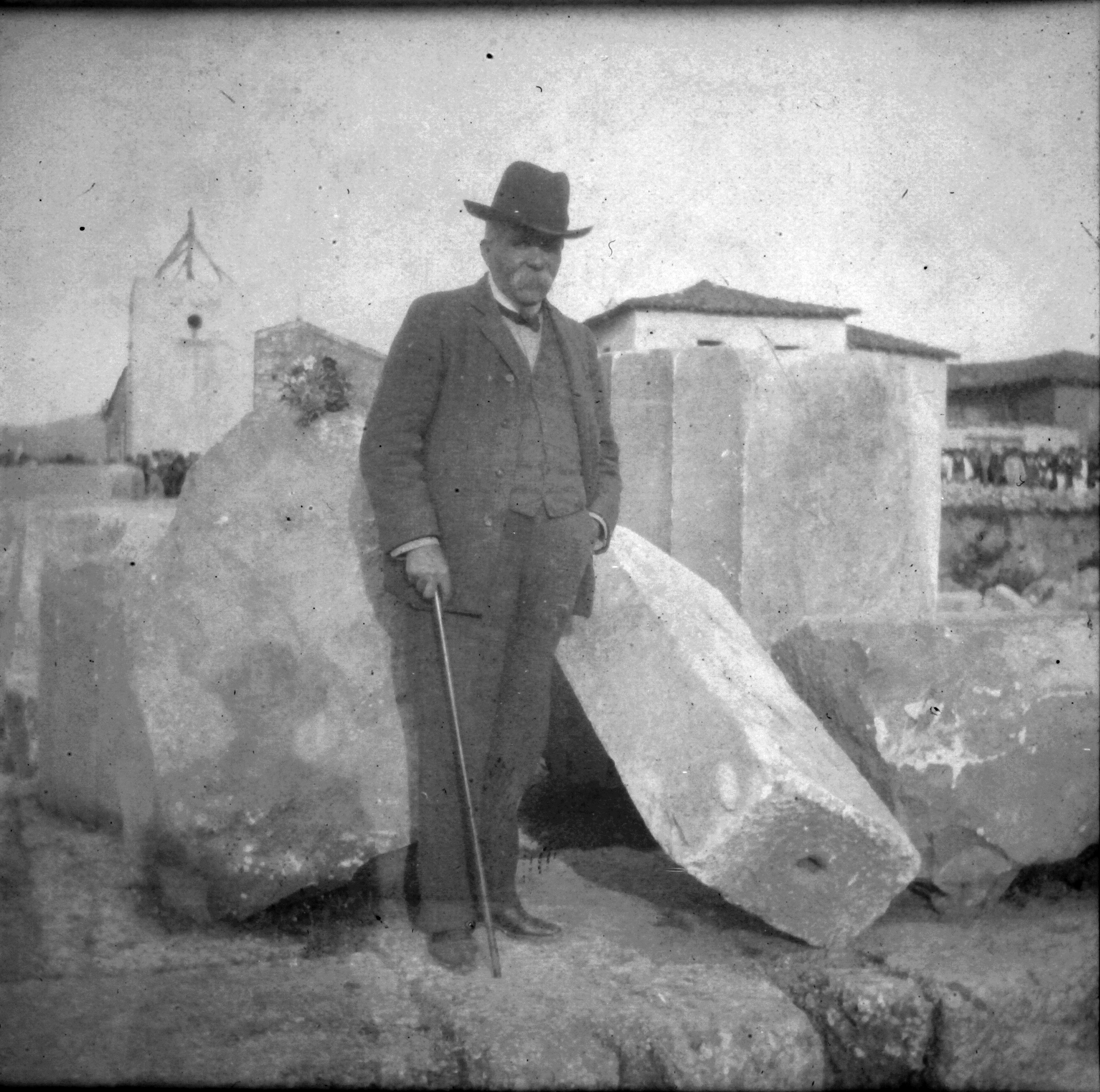
He returned to Greece in 1899 and 1904, visiting the places he had long dreamed of: Thebes, Sparta, Olympia, Delphi, Delos, Knossos, Phaistos, and, of course, the Acropolis of Athens, which he called “a creation of a wondrous humanity.”
He was convinced that the tragedies of Aeschylus, Sophocles, and Euripides—created alongside Athenian democracy—“were unparalleled political tools that elevated the spectator to human greatness.” A “human greatness” that, in Clemenceau’s view, had been destroyed by Rome and Christianity. “I love Greece. I cannot love either the Romans or the Christians,” he would often say.
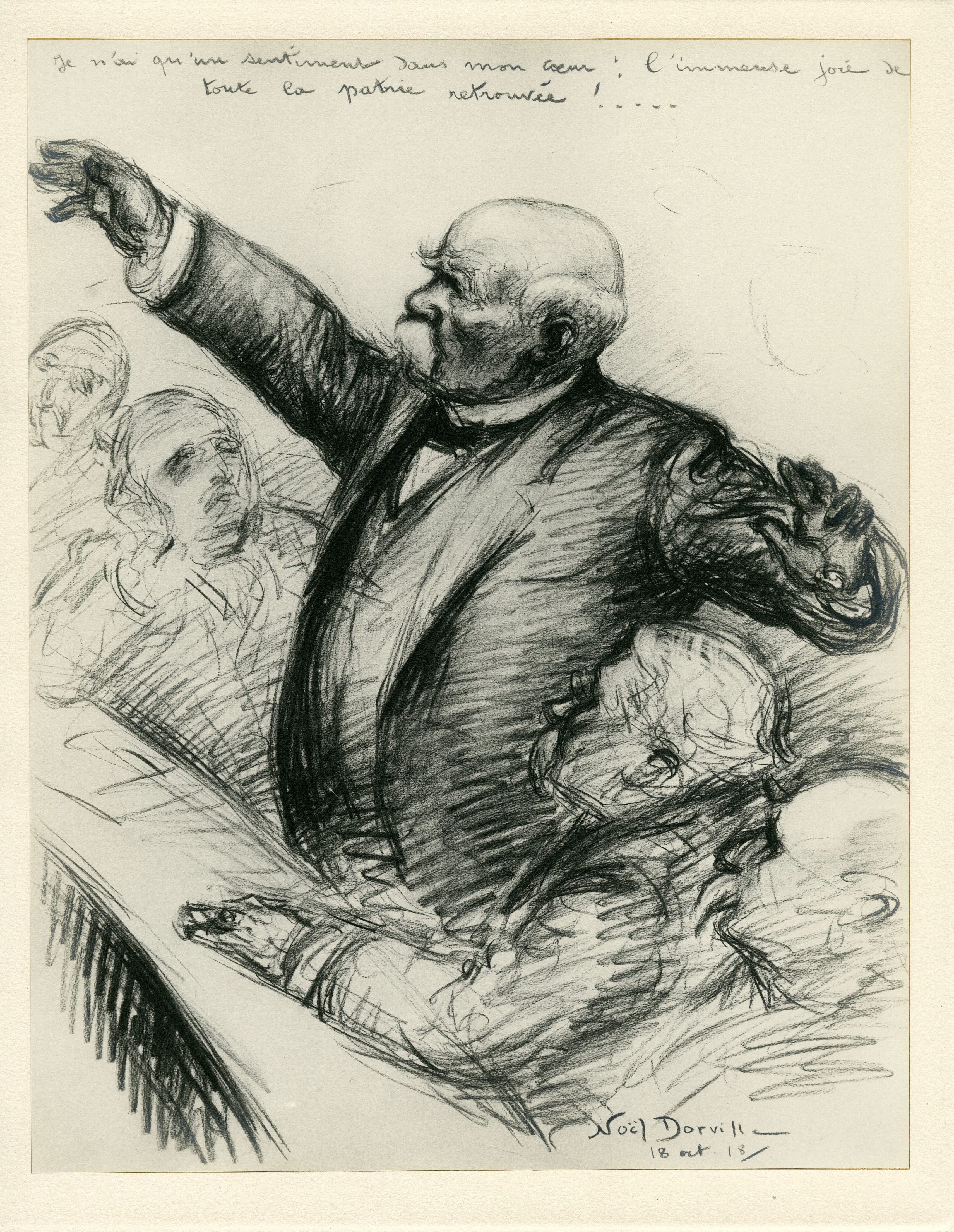
For Clemenceau, much had changed in Greece over the centuries, yet two elements remained constant. One was the Mediterranean, which he saw as the “womb of Greek civilization,” and the other was the Greek light, which “created a unique harmony between man and environment, an intensity of higher life that transcended time.”
“He was convinced that France, like ancient Athens, fought for its freedom against eastern barbarians—the former against the Germans and the latter against the Persians,” Coste notes.
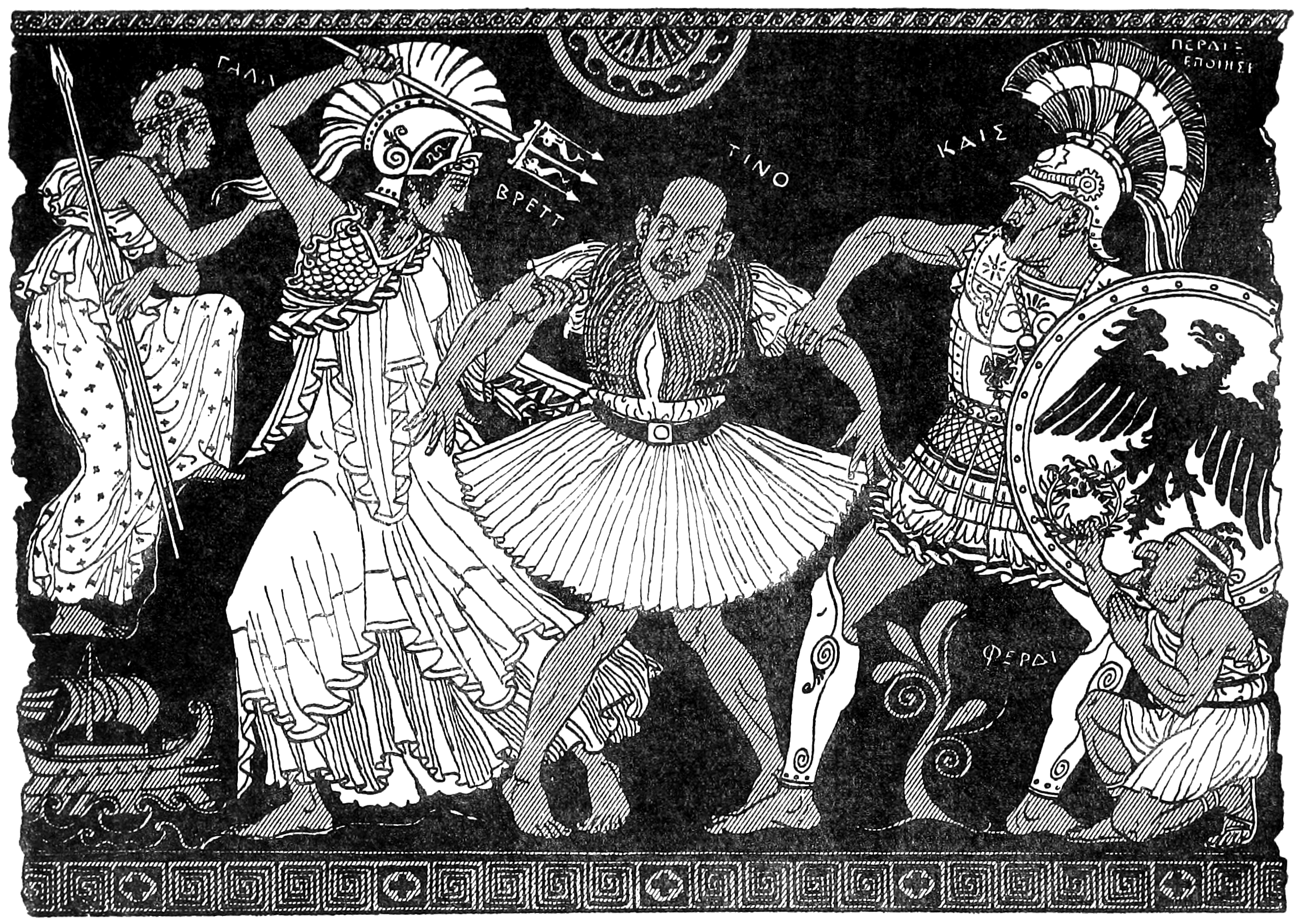
However, Clemenceau considered it a “betrayal” that Greece did not immediately side with France during World War I, due to the pro-German stance of King Constantine I of Greece. “What Greek has the right to call Greece his homeland when he is indifferent to a war in which not only the fate of Europe but also the fate of the civilization created by Hellenism is at stake?” Clemenceau said at the time.
Shortly afterward, however, when Venizelos came to power and Greece joined the Entente, Clemenceau wrote: “Greece, standing tall, enters the stage to repeat its ancient achievements.”
We thank Ms. Liz Lentinac, Director of the Clemenceau Museum, for kindly providing the photographs.