 Μake us preferred on Google
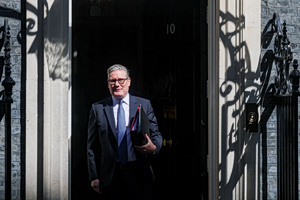
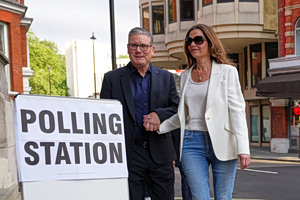
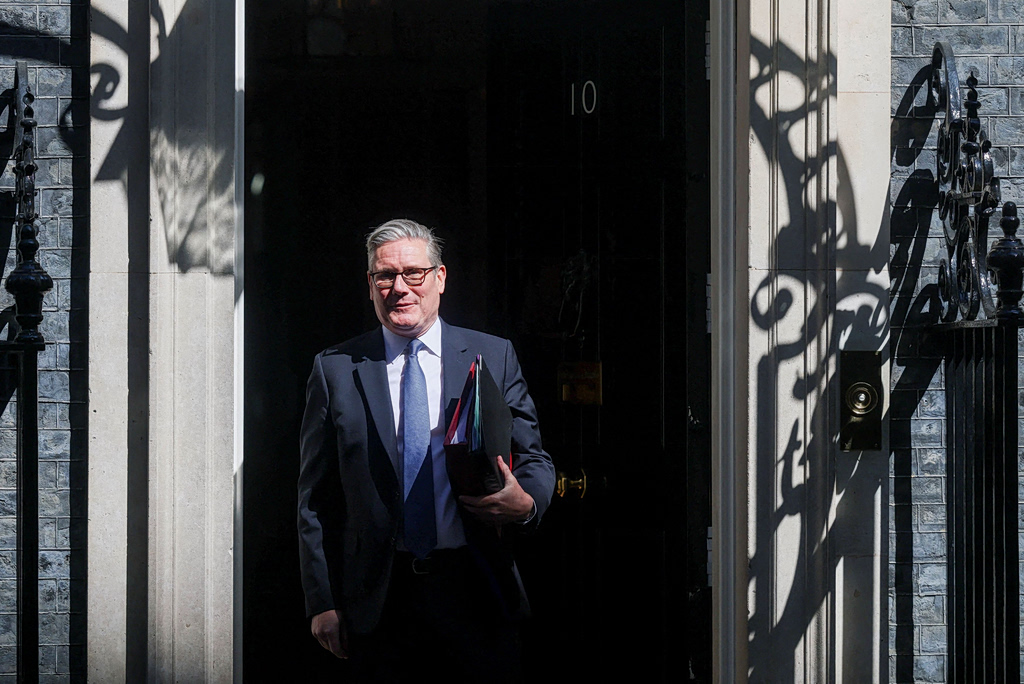
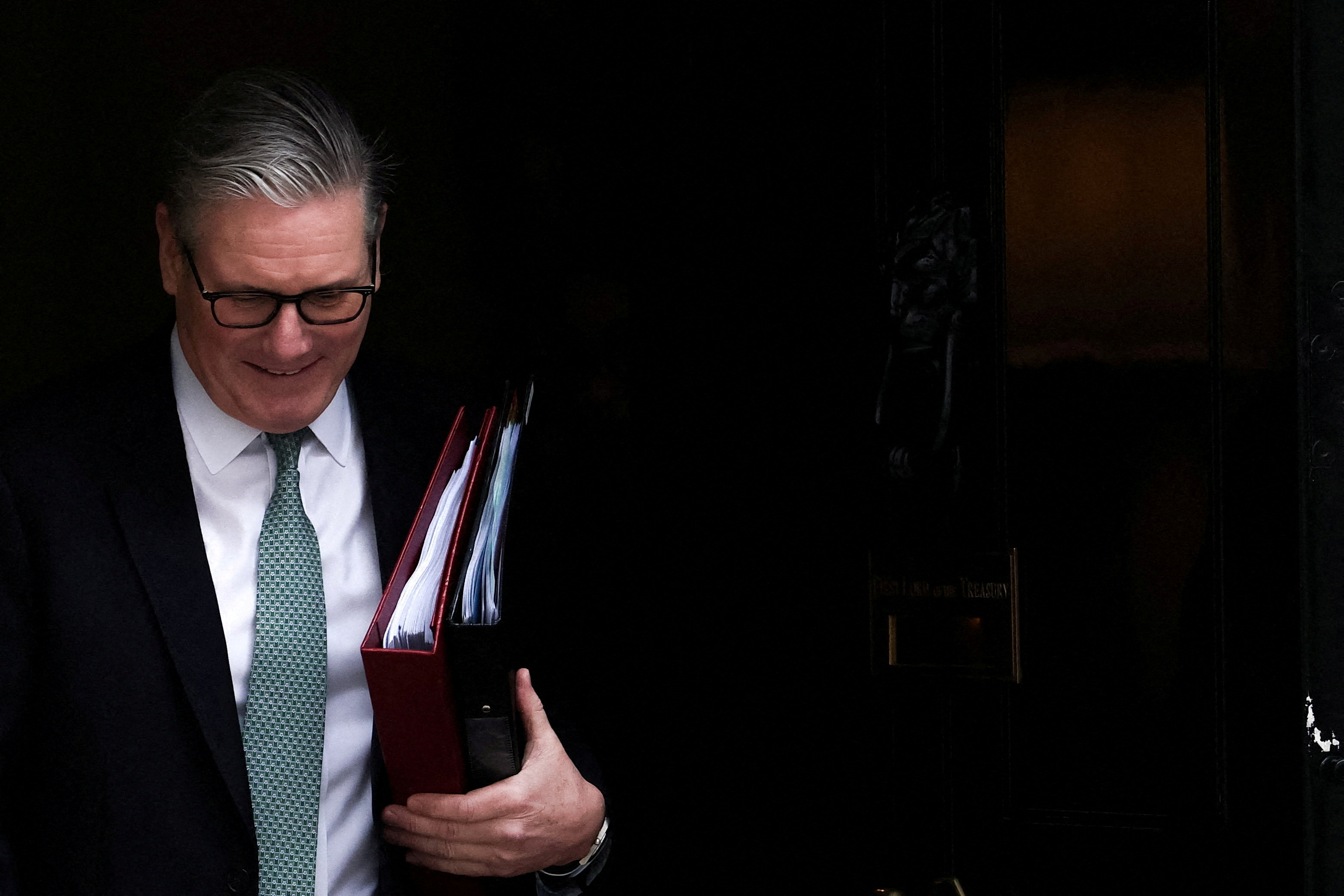
 It was a Thursday that Keir Starmer had been dreading for months. Across Britain, millions of voters made their way to polling stations for the local elections, not just to choose councilors, but to deliver what could amount to a political verdict on a prime minister who has been fighting for his political life.
The scale of what was unfolding was hard to overstate. Elections for nearly 5,000 council seats in England, alongside votes for the parliaments in Scotland and Wales, weren’t just a mid-term checkup. Analysts warned they could signal the beginning of the end of Britain’s long-dominant two-party system, the kind of seismic political shift that rarely happens, and rarely reverses.
A Party Bracing for the Worst
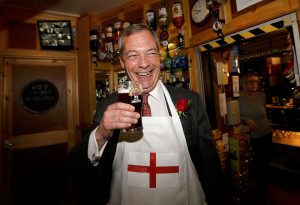
The polls told a grim story for Labour. Nigel Farage’s populist Reform UK was projected to expand its grip on English councils and potentially emerge as the main opposition force in both Scotland and Wales, challenging the Scottish National Party and Plaid Cymru, respectively. Meanwhile, from the other direction, the Greens were threatening Labour’s traditional strongholds in London and other major urban centers.
For Starmer, the arithmetic was brutal. Losing huge chunks of council seats in England, surrendering Labour’s long-standing dominance in the Welsh Senedd, and potentially finishing third in Scotland’s Holyrood parliament. The combination was expected to reignite calls for him to either resign or at least lay out a timeline for handing over power.
Financial markets were already nervous. Investors had pushed Britain’s borrowing costs higher in recent weeks, partly over concerns that Starmer might be pushed out and replaced by a more left-leaning leader inclined to ramp up spending.
Starmer Refuses to Blink
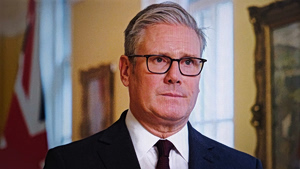
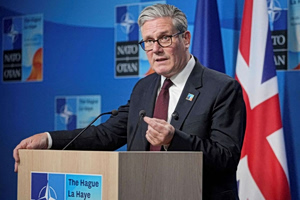
Despite the pressure, the 63-year-old prime minister, elected in a landslide less than two years ago, was not backing down. In a Substack post over the weekend, he framed the moment in almost defiant terms, arguing that Britain faced a choice between resilience and unity on one hand, and what he called the “politics of grievance and division” on the other. He described the populist wave as offering only “easy answers that would make us weaker, or bankrupt,” positioning himself as the patriotic alternative.
After the votes came in, Starmer was expected to attempt yet another relaunch of his premiership, what observers described as an “active, interventionist government”, hoping to reset the narrative before his internal critics could organize against him.
It wouldn’t be the first reset. Starmer had spent recent weeks under siege over his decision to appoint Labour veteran Peter Mandelson as Britain’s ambassador to the United States. That choice spiraled into a full-blown political crisis when revelations emerged about the depth of Mandelson’s ties to the late convicted sex offender Jeffrey Epstein, as well as his business connections with Russia and China. Starmer ultimately fired Mandelson last September after a cache of emails laid bare the extent of those relationships. British police arrested Mandelson in February on suspicion of misconduct in public office, though he has not been charged and faces no allegations of sexual misconduct.
The Knives — Not Quite Out
Inside Labour, the frustration was real. Lawmakers and activists on the campaign trail had repeatedly run into outright anger from voters. After the results, many expected that frustration to deepen and some within the party were already talking privately about a letter calling on Starmer to name a departure date.
But a leadership challenge was easier said than done. The two most likely successors, Greater Manchester Mayor Andy Burnham and former Deputy Prime Minister Angela Rayner, were not yet positioned to launch bids. And other potential rivals appeared unwilling to move, at least for now.
One Labour elder offered a cautionary note. Former party deputy leader Tom Watson, who famously signed a letter in 2006 pressuring then-Prime Minister Tony Blair to announce a resignation date, urged colleagues not to repeat that mistake. The lesson, he wrote, was simple: it won’t work, and voters will see a party consumed with its own internal drama while the country is shouting for attention.
Whether Labour’s MPs would listen was another question entirely.