 Μake us preferred on Google
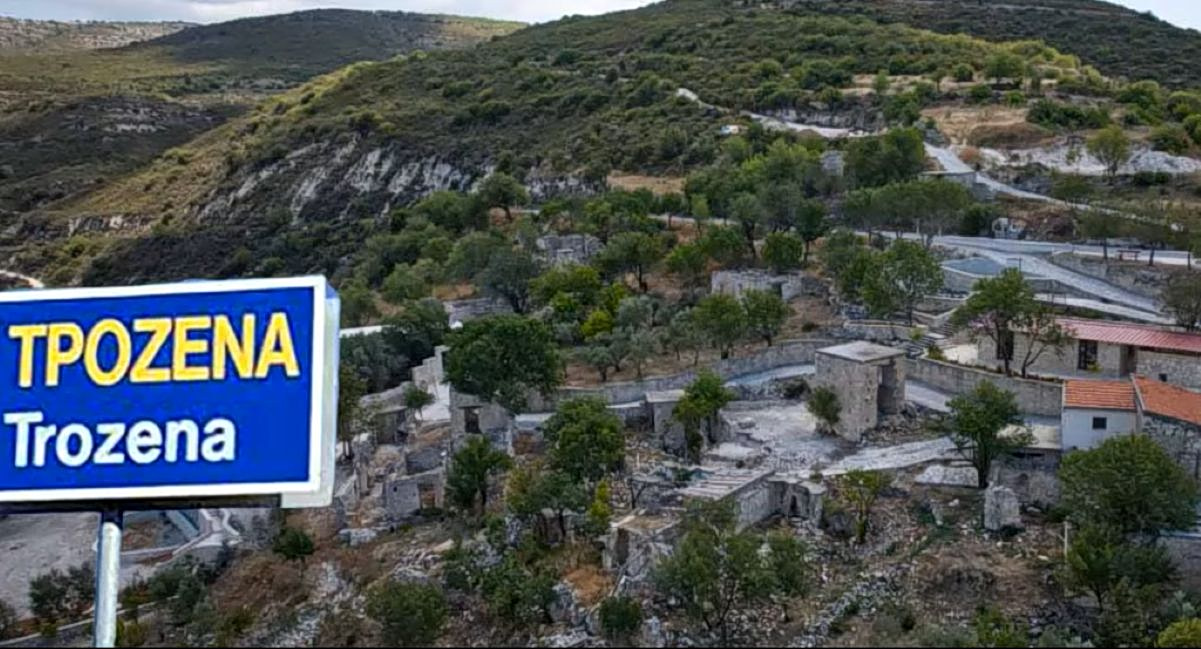
 An Israeli-owned company is moving ahead with plans to transform the abandoned village of Trozena in Cyprus’ Limassol district into a new residential and tourism development, a proposal that is already sparking environmental and political debate.
According to the Cypriot newspaper Phileleftheros, the project envisions the construction of 60 homes, alongside a campsite and a winery, with an application for planning permission already submitted to local authorities. Reports circulating on social media claim the village itself has been sold to Israeli investors, although officials have not publicly confirmed the details of the transaction.
Limassol District Local Government Organisation president Yiannis Tsouloftas confirmed to the newspaper that an application had indeed been filed for the development. The scale of the proposal is striking given the tiny size of the former community. At its population peak in 1946, Trozena had just 133 residents, while earlier and later censuses recorded significantly fewer inhabitants. In practical terms, the village never contained as many houses as are now being proposed.
The homes and winery are planned for the village’s historic center, while the campsite would be built on its outskirts. The project also includes the demolition of existing structures and the construction of new ones.
However, the development faces obstacles because the area is part of the EU’s Natura 2000 protected ecological network. Cyprus’ Department of Environment has raised concerns over the potential impact on the region’s biodiversity and has requested further details before any planning approval is considered. No permit has yet been issued.
Beyond environmental concerns, the proposal has also ignited wider political anxieties in Cyprus over foreign ownership and investment. Critics argue the sale reflects a broader erosion of local control over land and property, while supporters counter that Trozena had long been abandoned and neglected, and that outside investment may be the only realistic path toward its revival.