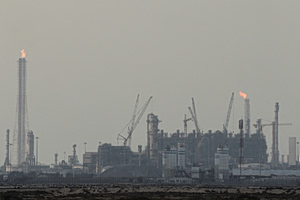
A halt in Qatari LNG production is rattling global energy markets, and Greece, which is heavily dependent on imported fuel, could potentially face rising inflation, a wider trade deficit, and slower growth.
Rising Middle East tensions and the risk of another energy price surge are testing how much fiscal space Greece has to shield households and the economy from a new wave of inflation.
Among the main components, services posted the fastest annual growth at 3.4% in Feb., up from 3.2% in Jan. Food, alcohol, and tobacco remained steady at 2.6%.
Eurozone inflation eased to 1.7% in January 2026, while consumer prices in Greece fell month over month, according to final data from Eurostat. Services remained the main driver of price pressures across the euro area
Falling unemployment and rising job numbers mask a deeper income strain, as low wages and part-time contracts leave many Greek workers unable to make it through the month on one salary alone
Across the eurozone, annual inflation is expected to settle at 1.7% in January, down from 2.0% in December.
Despite easing energy and food prices, Alpha Bank analysis shows that strong demand, booming tourism and rising wages are keeping inflation in Greece well above the eurozone average
Strong growth forecasts for 2026 hinge on investment delivery, inflation control and the final stretch of EU recovery funds, raising concerns over whether ambitious targets can translate into lasting gains for incomes and productivity
Greek shoppers are cutting back and hunting for bargains as inflation takes a toll on the cost of holiday celebrations.
The increase was driven largely by the services sector, where prices rose at an annual rate of 4.7%, compared with 2.8% a month earlier.
Food, rent, and hospitality costs pushed prices higher in Greece in October, while olive oil prices dropped sharply, according to ELSTAT’s latest inflation data
Greece’s draft 2026 budget banks on doubling investments to drive growth, but EU funding deadlines, a cooling property market, and stubborn inflation pose serious risks
Fruit prices climbed by 11.6%, chocolates surged by 23%, and meat rose 7.5%, while coffee became 18% more expensive.
The latest figure marks one of the highest inflation rates in the European Union, ranking fifth among member states.
The notable uptick, a second consecutive rise in the consumer price index, has raised concerns as it affected products across the majority of sectors
The BoG notes that inflation in Greece remains driven by rising service costs and unprocessed food prices, while energy shows internal disparities.
Rents have surged by more than 10% over the past year, and electricity prices have followed a similar trajectory.
The data shows significant price increases in certain sectors, with hotels seeing a rise of 17.5%, air travel prices going up by 10.8%, rent rising by 9.9%, and health insurance premiums climbing by 7%.
Inflation in Greece will settle at 2.5% in 2025, and stand slightly over 2% in 2026, according to a projection by the Bank of Greece (BoG). The report estimates the cost of living will record an uptick to 2.5% in 2027. As per the BoG report, inflation in Greece measured by the Harmonized Index of Consumer […]
The cost of services and non-energy industrial goods in Greece continues to rise significantly faster than in other eurozone countries, according to the Bank of Greece’s Inflation Monitor report.