Tourism in Europe appears to be reaching new heights, and the numbers behind this boom are striking. According to the Council of the European Union, Europe welcomed around 758 million international tourist arrivals in 2024, roughly 40 percent of global tourism, making it by far the most visited region in the world. According to the European Commission, the sector contributes about 10 percent of the EU’s GDP and supports roughly one in ten jobs when direct and indirect effects are counted together.
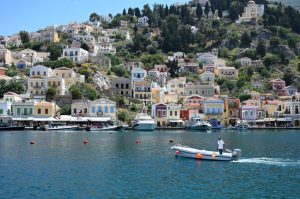
For countries like Spain, Greece, Croatia, Portugal, and Italy, tourism is far more than a seasonal industry. It supports millions of jobs, sustains thousands of small businesses, and serves as a critical source of tax revenue. The sector has rebounded strongly since the pandemic, with several Mediterranean destinations now welcoming more visitors than ever before.
Tourism Is Changing
Today’s tourists travel differently than they did a decade ago. Budget airlines and online booking platforms have made weekend city breaks increasingly affordable, while social media has turned lesser known destinations into international hotspots almost overnight. Cities like Porto, Krakow, Valencia, and Ljubljana once drew mostly domestic travelers. Now they’re regular stops on Europe’s weekend getaway circuit, spreading tourism into new areas and creating fresh opportunities for local businesses.
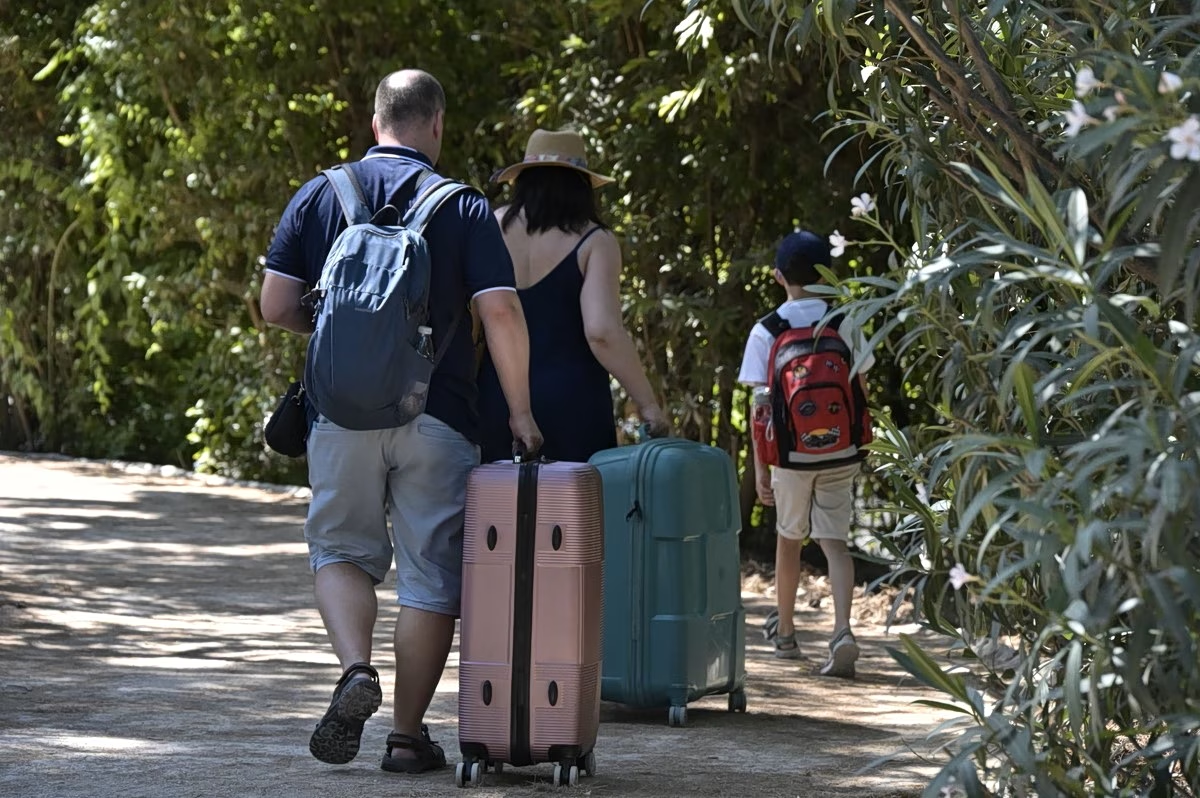
Another major shift is the rise of remote work, or the “workation.” Flexible work arrangements have blurred the line between working and vacationing. Instead of a traditional two week holiday, a growing number of professionals now spend several weeks, or even months, working remotely from abroad. Countries including Portugal, Spain, Croatia, Greece, and Estonia have actively encouraged this trend by introducing digital nomad visas or dedicated residency programs.
For local economies, these longer term visitors can be especially valuable: unlike traditional tourists, digital nomads often travel outside peak season and stay much longer, spending more at local cafes, restaurants, and coworking spaces and helping businesses earn revenue year round rather than relying solely on summer.
The Downside of the Travel Boom
Many remote workers earn salaries from wealthier countries while living in places where the cost of living is significantly lower. Their greater purchasing power adds to housing pressure in areas already facing shortages due to tourism and limited supply. In parts of Lisbon, Barcelona, and Madeira, local authorities and housing organizations report that the arrival of digital nomads has helped push up rents, driven up prices, and accelerated gentrification.
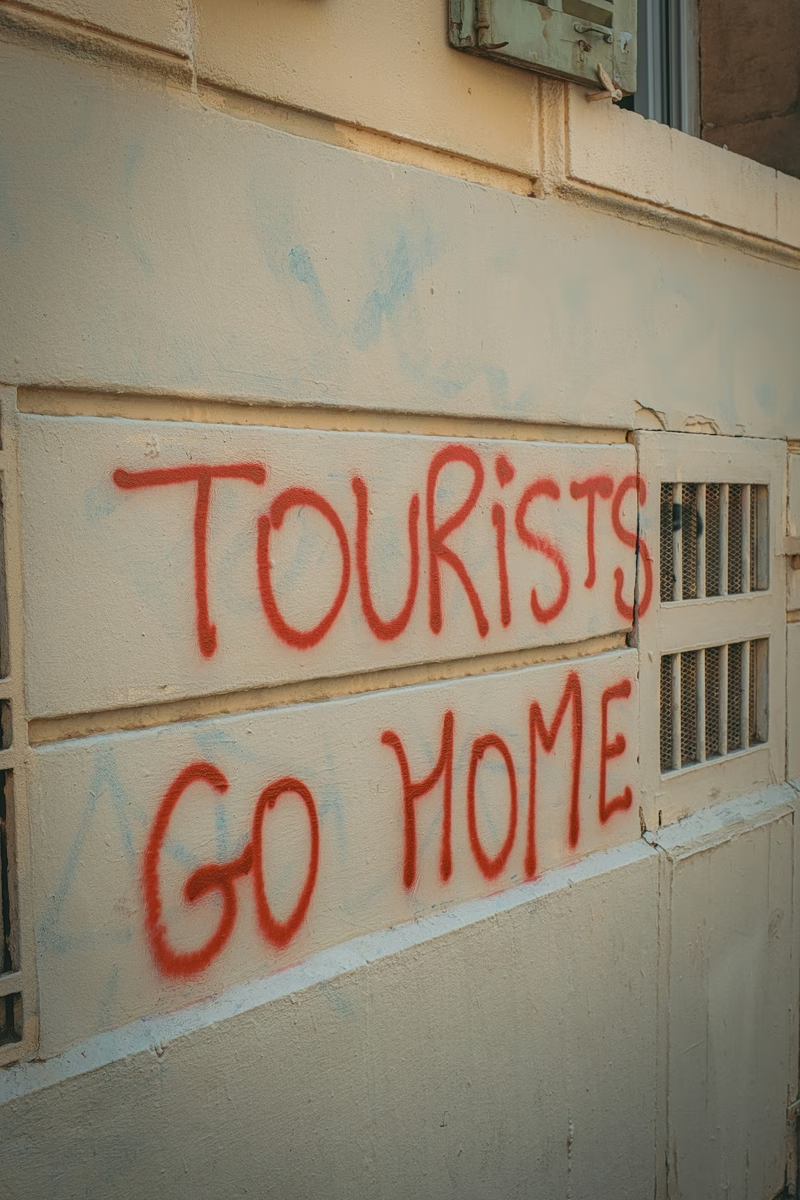
The same tension shows up in the debate over overtourism. According to the European Parliament, about 80 percent of travelers visit just 10 percent of the world’s tourist destinations, concentrating both the economic benefits and the strains of tourism in a relatively small number of places. Cities like Barcelona, Venice, and Amsterdam have become symbols of this imbalance. Many city centers depend heavily on visitor spending to support shops, restaurants, and cultural attractions, yet residents are increasingly questioning whether tourism has become too successful for its own good.
In Barcelona, residents have repeatedly protested against mass tourism, arguing that record visitor numbers are making the city increasingly unaffordable. Venice has introduced an entry fee for day trippers in an effort to manage visitor flows, while Amsterdam has sought to discourage party tourism and ease tensions in its historic center.
Short term rental platforms like Airbnb have also become part of the debate. They provide extra income for thousands of households and expand accommodation options for visitors, but critics argue they’ve also pulled housing off the long term rental market in some cities. In Amsterdam, Barcelona, and Lisbon, local authorities say this has made it harder for teachers, nurses, police officers, and other essential workers to find affordable housing near their jobs.
A “Hotter” Tourist Season
Housing isn’t the only challenge facing Europe’s tourism industry. Climate change is increasingly reshaping where and when Europeans travel. Recent wildfires in southern France and Spain once again showed how vulnerable the sector has become to extreme weather. During what should have been the busiest weeks of summer, evacuations forced tourists to abandon campsites and beach resorts. Road closures, poor air quality, and travel disruptions affected thousands more people. Beyond the immediate disruption, such events threaten billions of euros in seasonal tourism revenue that many regions depend on.
As heatwaves become more frequent and intense, researchers expect travel patterns to shift, with more visitors likely to favor spring and autumn breaks or cooler destinations in northern Europe. The European Travel Commission has already noted growing interest in off season travel, while Mediterranean destinations are increasingly promoting year round tourism to reduce their reliance on the peak summer months.
Spanish anti-Tourism protests spray water pistols at tourists to demand they leave Barcelona.
Demonstrators sprayed tourists sitting in cafes and let off red smoke to protest against mass tourism.
Tourism accounts for 14% of Barcelona’s GDP. pic.twitter.com/6ggt1y6s2l
— Oli London (@OliLondonTV) June 17, 2025
What Is Brussels Doing?
Tourism policy is largely set by national governments, but Brussels is playing an increasingly active role in shaping the sector’s future. In recent years, the European Commission has launched a series of initiatives aimed at making tourism more sustainable and better prepared for future challenges, including helping member states adapt to climate change, encouraging businesses to adopt digital technologies, and supporting regions that want to attract visitors beyond the traditional summer season.
The Council of the European Union has also urged member states to cooperate more closely on issues like labor shortages, transport links, and protecting destinations from the effects of climate change. Earlier this year, the European Parliament adopted a resolution on smart tourism management, arguing that Europe should focus less on maximizing visitor numbers and more on improving the sector’s quality and sustainability.
Daniel Attard (S&D/MLT), the Parliament’s rapporteur on the report, said the goal is to shape “Europe’s first strategy for sustainable tourism” by improving “connectivity to rebalance flows beyond popular destinations,” strengthening culture as a “cornerstone of quality tourism,” and ensuring “short term rentals serve communities rather than exploit them.” The report also calls for stronger destination management, better transport links to lesser known areas, and a more even distribution of visitors across Europe.
Tourism remains one of Europe’s biggest economic assets, generating jobs, investment, and income across the continent. But as visitor numbers keep climbing, the challenge is making sure the sector’s benefits don’t come at the expense of local communities or the environment.