
 Μake us preferred on Google
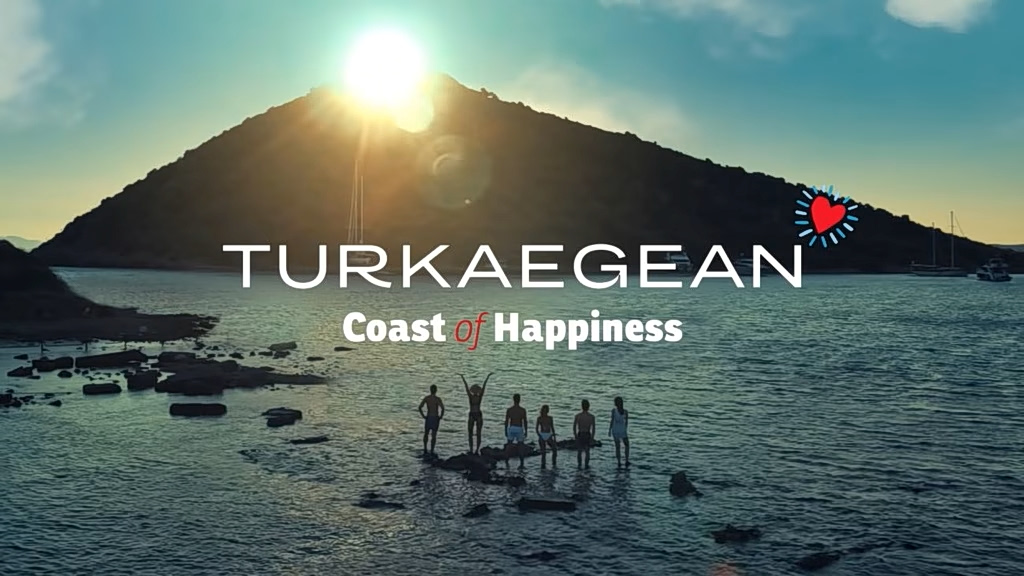
 The relevant Greek development minister on Friday referred to a vindication of Greece’s positions after it was announced that Turkey’s appeal against the cancellation of the “Turkaegean” trademark at EU level was rejected.
The case dates back to July 16, 2021, when the Turkish Tourism Promotion and Development Agency (TGA) filed an application to register “Turkaegean” as a European Union trademark with the EU’s Intellectual Property Office (EUIPO). The move triggered coordinated legal action by Athens.
Since May 2022, when the Hellenic Industrial Property Organisation (OBI) became the competent authority for trademarks, Athens coordinated efforts to contest the registration. In February 2023, Greece formally submitted an application for cancellation before EUIPO, arguing that the term was misleading and lacked legal and commercial validity.
In January 2025, EUIPO issued a first-instance decision annulling and deleting the “Turkaegean” trademark from the EU register. Turkey subsequently appealed the ruling before the EUIPO Boards of Appeal.
The Appeals Board has now rejected the Turkish appeal, confirming the annulment and final deletion of the trademark at European level.
Commenting on the decision, Minister Takis Theodorikakos said the ruling “constitutes a vindication of our national positions,” adding that the EU’s institutional framework has reaffirmed, even at second instance, that the term “Turkaegean” has no legal or commercial basis and is therefore excluded from the register. He said the outcome was the result of a sustained legal and institutional effort led by the development ministry in coordination with OBI and argued that Athens has successfully countered what he described as an attempt to mislead consumers and “instrumentalize” commercial branding for geopolitical purposes.
Over the past year, Greek officials have consistently framed the dispute within broader concerns over branding narratives and regional geopolitical signaling in the eastern Mediterranean, while EU trademark authorities have focused strictly on legal criteria relating to distinctiveness, descriptiveness and potential consumer confusion.