Greece has completed a major digitization project involving more than 31 million pages of archival material from the Ministry of Foreign Affairs, in what officials describe as a landmark step for transparency and historical accessibility.
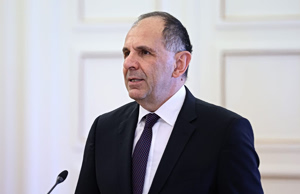
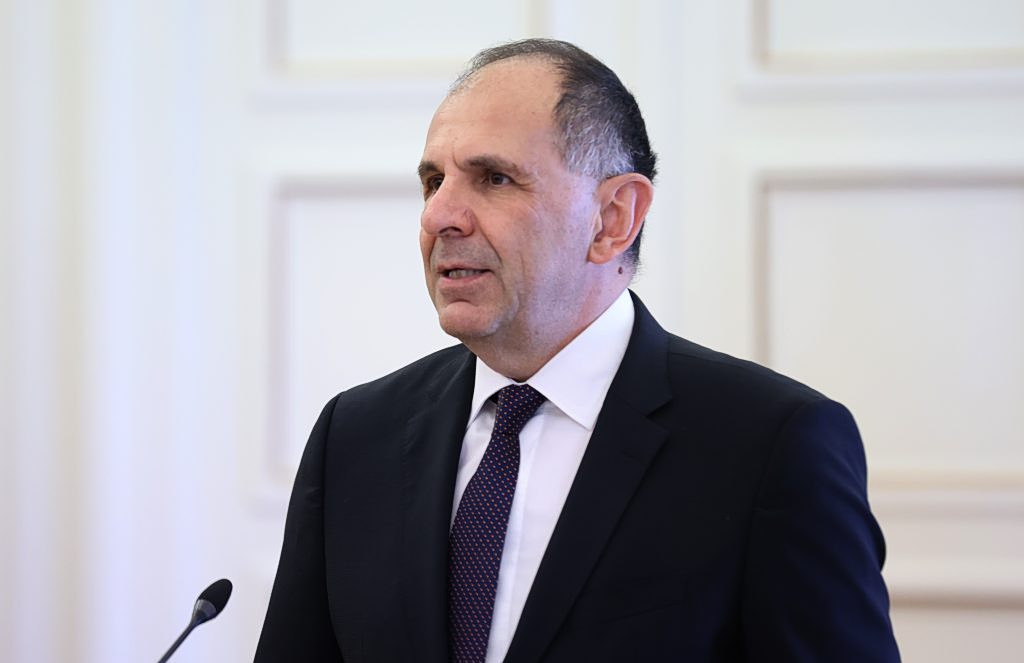
The initiative was presented by Foreign Minister George Gerapetritis, who underlined the importance of systematically organizing and preserving records that document key moments in the country’s diplomatic history. He stressed that the effort strengthens both public accountability and the ability to study Greece’s international relations through verified sources.
According to the minister, the digitized archive forms part of the country’s broader historical record and reflects the significant role of Greek diplomacy in shaping not only the modern Greek state but also its position in the world. He described the project as a major moment of openness, noting that “historical accountability must be based on evidence” and that such evidence must remain objective in nature.
While acknowledging that individuals may interpret history differently, Gerapetritis emphasized that documented facts should form the foundation for any serious historical assessment or political evaluation. He added that the availability of verified archival material supports both academic research and public understanding.
The digitized collection will be made accessible to the research community, with the exception of certain classified documents that will remain restricted.
Officials said the project also aims to support future policymaking by ensuring that historical knowledge is preserved and usable. The Foreign Minister noted that understanding both successes and failures of the past is essential for shaping better outcomes in the future, arguing that lessons drawn from history can help avoid repeating past mistakes.
The digitization effort spans material dating back to the early years of the modern Greek state, including documents from the early 19th century and successive phases of institutional development within the foreign service. Authorities highlighted that the archive has been carefully preserved and required specialized handling to prevent damage during the digital conversion process.
This latest phase follows earlier efforts that had already digitized several million pages over the past decade. The current expansion was made possible through European funding programs and national recovery resources.