On December 20, 1812, the first edition of the Grimm brothers’ fairy tale collection was published, titled Children’s and Household Tales. The edition included 86 stories, among them tales that would gain worldwide fame, such as Snow White, Cinderella, Hansel and Gretel, Rapunzel, and Little Red Riding Hood.
The work was not originally intended for children’s entertainment. As later publications from the historical archives of To Vima and Ta Nea note, the Grimm brothers aimed primarily to preserve German folk tradition and oral storytelling. In their earliest forms, the fairy tales were often harsh and dark, though over time they were adapted to become more child-friendly.
The Tales Before They Became Children’s Stories
The dark nature of the original versions of the Grimm fairy tales was highlighted by Giannis Mitsakos in an article in Ta Nea on January 15, 2000, emphasizing that the original tales were far from the idealized versions that became popular later:
“Murders, kidnappings, cannibalism, mutilations, violent revenge, incest, necrophilia […] In the 1812 edition, Snow White forces her mother to wear shoes heated in fire and dance until death. At the end of ‘Cinderella,’ two pigeons eat the eyes of her stepsisters, whose toes and heels were previously cut off with a knife so they could fit the prince’s shoe […]
In ‘The Girl Without Hands,’ a father sells his daughter to the Devil, and when he regrets it, he cuts off her hands so the Devil cannot take her. In ‘The Juniper Tree,’ the evil stepmother decapitates her stepson, chops him up, cooks him, and serves him to her husband.
The Grimm brothers’ original tales were stories of another era, an era where concepts like Absolute Good and Absolute Evil existed, an era where life outside fairy tales was nearly as harsh as life within them. And, of course, an era without Walt Disney…”
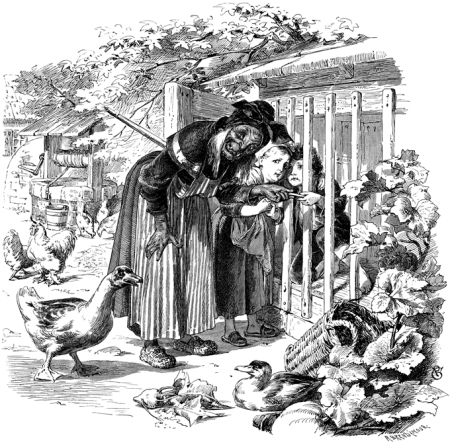
“These grim images are not purely the invention of the educated Grimm brothers. They traveled throughout Germany, recording ancient stories that survived orally while people worked, entertained themselves, or simply sat around the fire, as children slept in their beds.
At the same time that Hans Christian Andersen wrote about the Little Mermaid and the Ugly Duckling, the Grimm brothers created a universe of magic, passion, and crime. A universe ‘for adults.’”
Inseparable in Life and Work
Behind this dark universe were not mere fantasies, but two inseparable brothers from childhood, united by a shared passion for language and folk traditions.
In To Vima on January 27, 1985, marking 200 years since Jakob Grimm’s birth, the life and work of the brothers are described, showing how they were inspired to collect tales from ordinary people:
*”Once upon a time, when the forests of Germany were dense and dark and people lived in huts rather than apartment buildings, two brothers were born into a large family in Hanau (today in Hesse, Germany).
The brothers were inseparable. As children, they slept in the same bed and studied at the same table. When the younger brother, Wilhelm, married, the elder, Jakob, went to live with him. Both brothers had a deep love for the German language and folk traditions, especially children’s tales.”
From Oral Tradition to Written Word
“They collected more than twenty stories from the wife of a tailor in the village of Niederzwehren, including a story about a princess transformed into a goose. From Wilhelm’s wife, Dortchen, and others, the brothers gathered pieces of the legend of the Evil Dwarf. From a young woman named Marie Hassenpflug, they heard the story of Snow White and the Seven Dwarfs.
These stories were published in 1812 under the title ‘Children’s and Household Tales’ and made the Grimm brothers famous. Since then, the Grimm fairy tales have held a prominent place in world literature, translated into more than 70 languages and selling hundreds of millions of books.
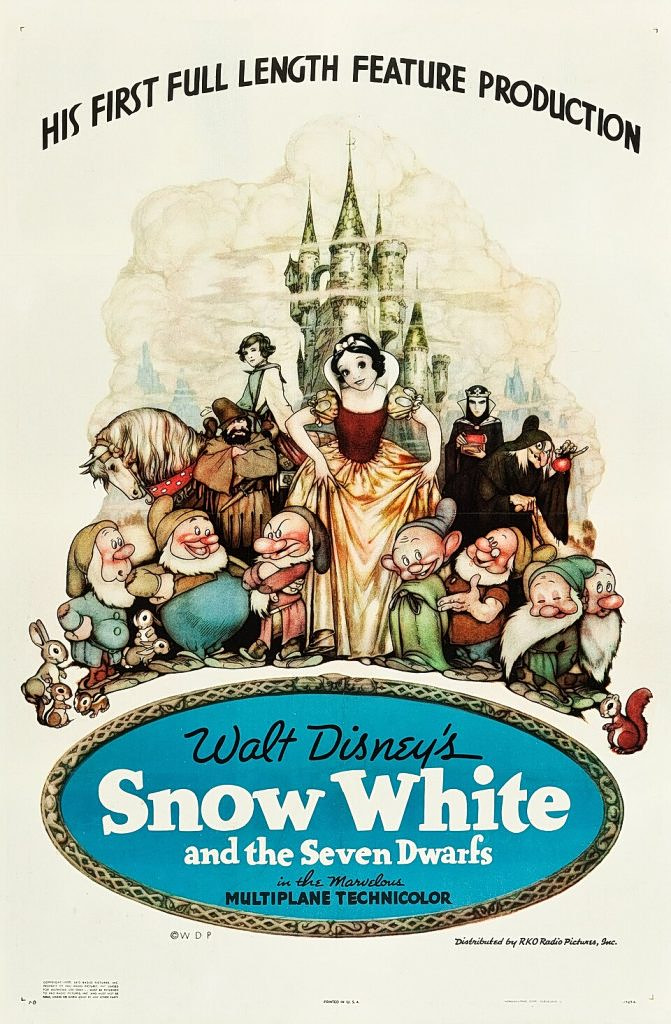
They also inspired many famous illustrators, from George Cruikshank to Maurice Sendak, musicians—such as Engelbert Humperdinck’s 1893 opera ‘Hansel and Gretel’—and filmmakers, including Walt Disney in Cinderella and Snow White.”
The Unknown Contribution to Linguistics
“Collecting and recording fairy tales was only part of the Grimm brothers’ work. Jakob wrote the first study of German grammar. Wilhelm collected various German medieval songs and legends. In 1838, the brothers began an ambitious project: compiling a comprehensive German explanatory dictionary, 32 volumes, which was not completed until 1961. They also published the ‘Grimm Cookbook,’ containing 210 recipes of dishes that Dortchen cooked for her husband and Jakob.”
December 20, 1812, therefore, marks not merely the publication of a book, but the dissemination of German folk oral tradition into the global cultural memory.