When Ecumenical Patriarch Bartholomew visited the United States in September, he elevated two young Greek Americans, Christos Marafatsos and John Catsimatidis Jr., into one of the most historic and influential lay institutions in global Christianity. Their induction into the Order of Saint Andrew, known as the Archons of the Ecumenical Patriarchate, stood out in a body long defined by senior business leaders and established philanthropists.
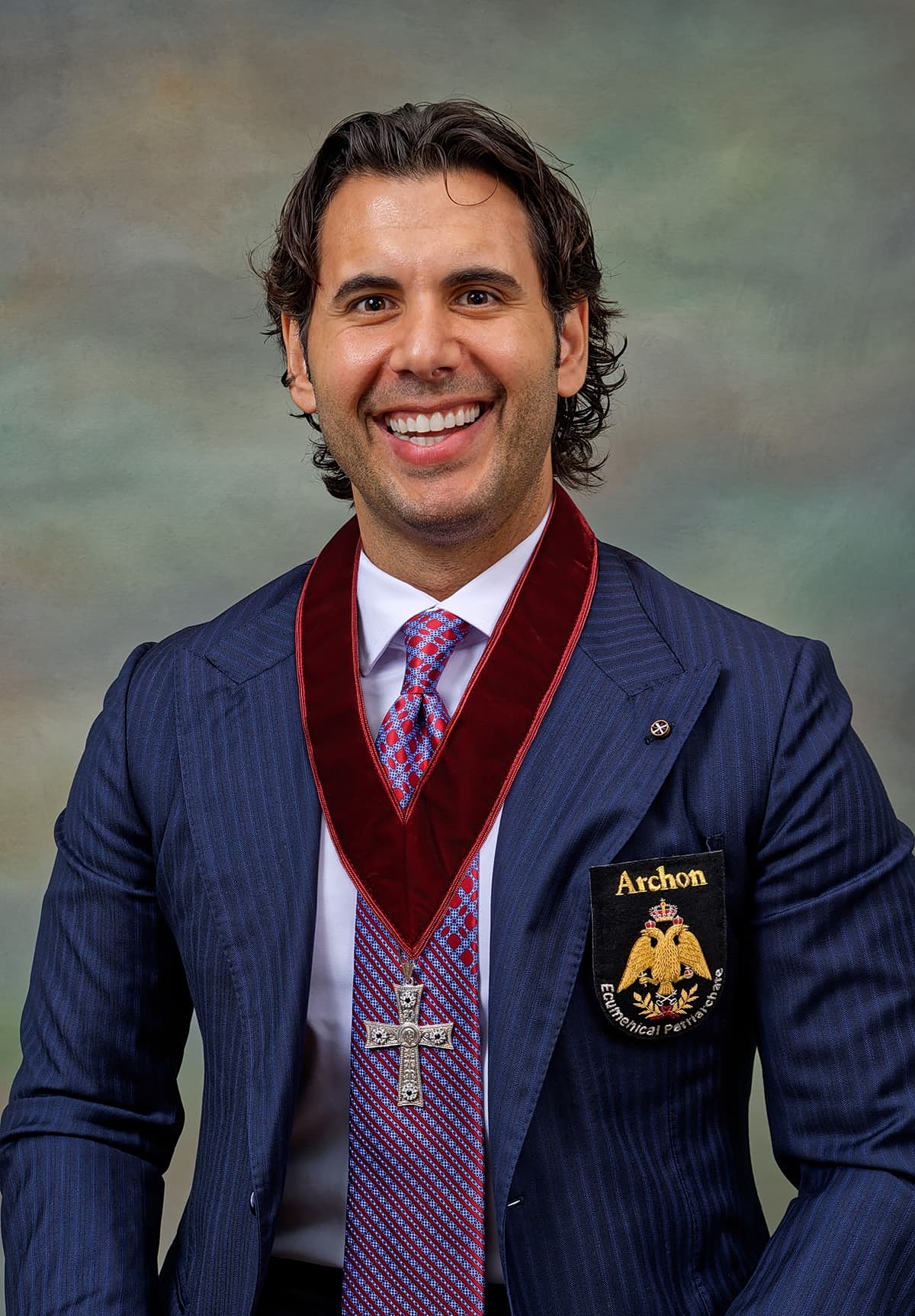
Christos Marafatsos, recognized by Bloomberg BusinessWeek as one of America’s Best Young Entrepreneurs.
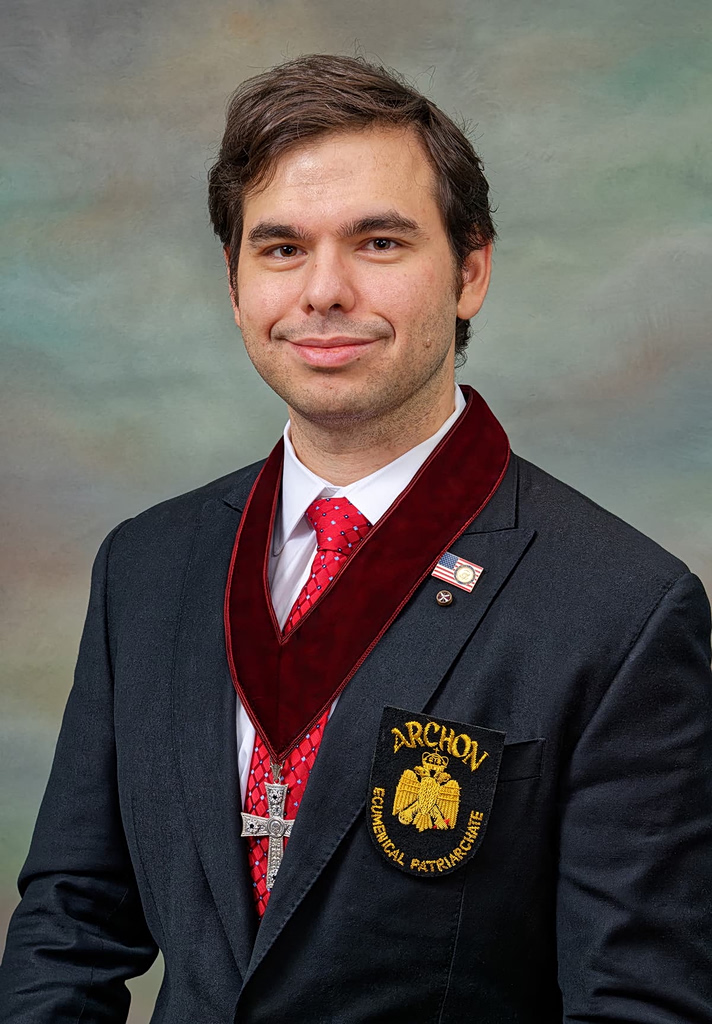
John Catsimatidis Jr., president of Red Apple Group.
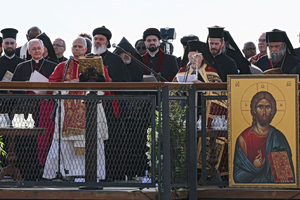
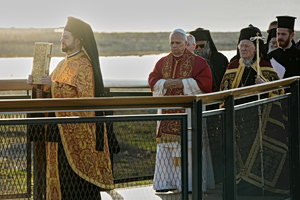
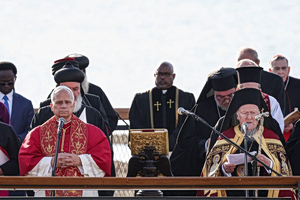
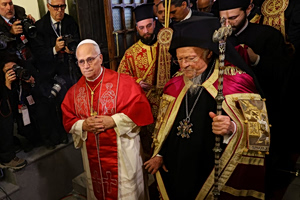
In the weeks that followed, the international significance of the Archons’ work was highlighted by a landmark moment in the life of the Church. Pope Leo XIV traveled to the Ecumenical Patriarchate for his first official visit and joined the Ecumenical Patriarch on a historic journey to Nicaea to commemorate the 1700th Anniversary of the First Ecumenical Council. Senior Archons were present throughout the visit, underscoring the Order’s role in supporting the Patriarchate during moments of global religious diplomacy.
For decades, the Archons have served as lay stewards of the Mother Church, defending the institutional integrity of the Ecumenical Patriarchate in Constantinople through diplomatic advocacy, financial support, and sustained public engagement. The Order has acted as a bridge between Orthodox Christianity’s spiritual center and the political establishment in the United States, pressing issues that range from the reopening of the Halki Seminary to the protection of religious minorities in Turkey.
The decision to induct Marafatsos and Catsimatidis marks a generational turning point. It signals a strategic effort by Patriarch Bartholomew to cultivate younger advocates who can speak for Orthodoxy in a rapidly changing American and geopolitical environment.
A Legacy Institution with Modern Stakes
Founded in 1966, the Order of Saint Andrew operates as the premier lay organization of the Greek Orthodox Archdiocese of America. Its members are expected to defend the Patriarchate at moments of political pressure and institutional vulnerability. In practice, this has meant advocacy in Congress, engagement with the State Department, White House and coordinated efforts to push for religious freedom in Turkey.
In 2008 the Order organized a public campaign that helped draw attention to property seizures targeting the Orthodox minority in Istanbul. In 2021 it mobilized senior members to protest the conversion of Hagia Sophia from a museum back into a mosque, framing the move as an assault on religious pluralism. Its Advocacy Committee regularly briefs American lawmakers, including members of the Senate Foreign Relations Committee, on issues affecting the Ecumenical Throne.
For younger Greek Americans, this institutional role has often felt distant and reserved for an older generation. The leadership circle has included prominent figures such as Michael Psaros and George Marcus, individuals whose influence in politics and philanthropy was built over decades. The introduction of two younger Archons into this environment is therefore significant not only for what it represents, but for what it demands.
The Rise of a Younger Archon Class
Christos Marafatsos, a Greek American businessman active in Republican political circles, received the title with the distinction of Teacher of the Nation. Marafatsos is known for building Greeks for Trump, an organization that mobilized political engagement within segments of the Greek American community through the 2016, 2020 and 2024 Presidential Campaigns, and for his close relationship with modern business and political leaders, including the current United States Ambassador to Greece, Kimberly Guilfoyle. His business accolades have included being named American Best Young Entrepreneurs by Bloomberg BusinessWeek. His elevation reflects the Order’s recognition that a younger generation is already embedded in the political and civic networks that shape American power.
For Marafatsos, the honor carries an explicit charge. He has described it as a sacred responsibility to defend the Patriarchate and to protect religious freedom. He has thanked his Archon mentors and senior clergy for guiding him, but he has also framed his position as forward looking. The message is clear. Younger Greek Americans are expected not only to inherit a tradition, but to deploy their networks and influence in Washington and abroad to secure its future.
John Catsimatidis Jr. represents a different but equally consequential model of emerging leadership. As the chief executive of Red Apple Group and Red Apple Real Estate, he oversees major operations in energy, real estate, finance, and new technologies. His corporate portfolio is wide, but his public profile inside the Greek American community is wider. He is an active member of Leadership 100, engages with youth focused philanthropic programs, and maintains ties across the civic and cultural institutions that shape Greek American life. His selection as an Archon signals confidence in his potential to anchor the next era of Greek American leadership.
A Shift in Responsibility
The presence of younger Archons alters the internal dynamics of the Order in a subtle but meaningful way. Recently, the Order in recent years has also included notable younger leaders like White House Advisor Michael Kratsios, Presidential appointee James Rockas, and Calamos Investment Executive Yanni Sianis. For decades, the group relied on senior figures with the ability to write large checks, call senators, or secure meetings with cabinet officials. These relationships remain essential, but the Patriarchate is increasingly aware that the long-term defense of its interests depends on leaders who understand new political currents, new communication environments, and new forms of civic influence.
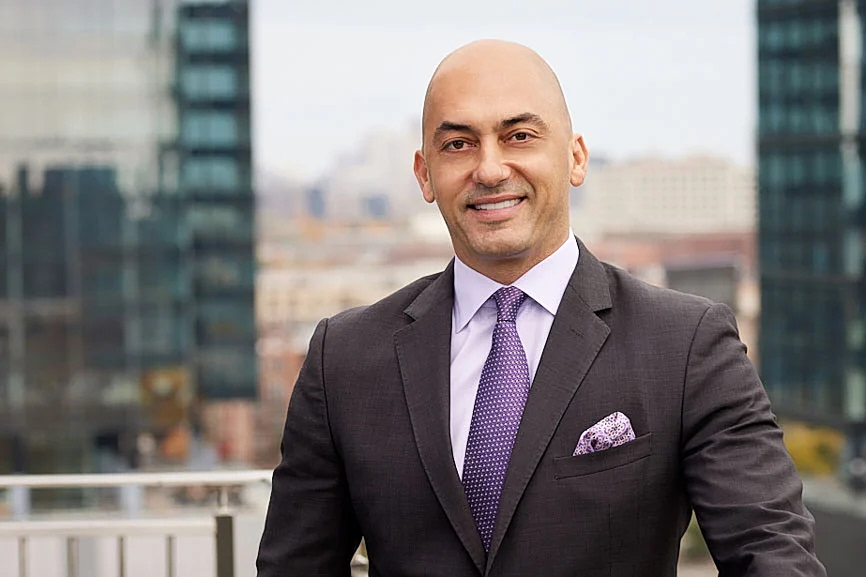
Yanni Sianis, Chief of Staff at Calamos Investments
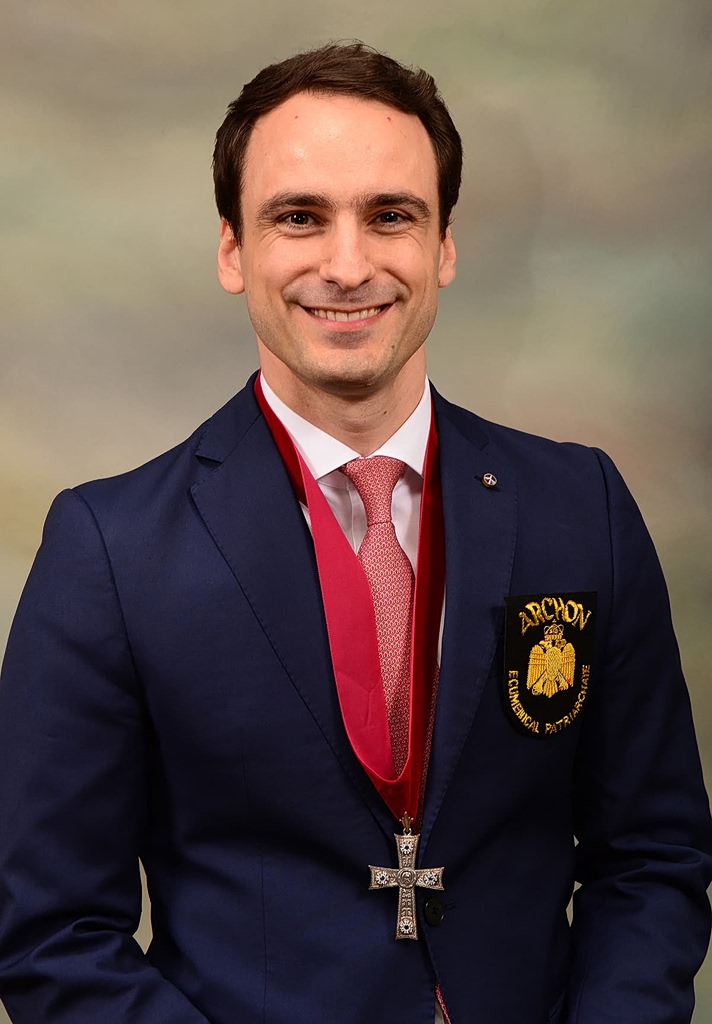
Michael Kratsios, Director of the White House Office of Science and Technology Policy
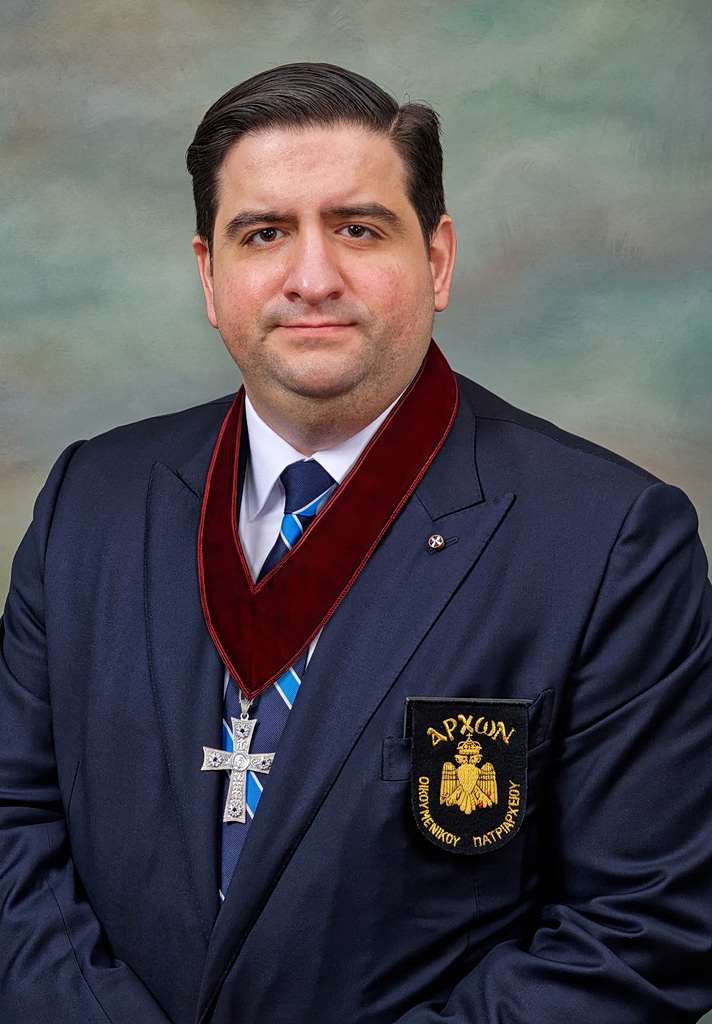
James Rockas, Deputy Under Secretary of Commerce for Industry and Security.
Marafatsos and Catsimatidis Jr. enter the Order at a moment of global transformation. The Ecumenical Patriarchate continues to face pressure from the Turkish state, including constraints on its legal status and limitations on religious education. The reopening of the Halki Seminary remains unresolved. The rise of nationalism in the region adds further strain. In the United States, the challenge is equally clear. Greek Orthodox institutions must compete for the attention and commitment of younger generations who live, work, and communicate differently from their parents.
Both men have framed their new roles in intergenerational terms. They describe a responsibility to use their networks, resources, and professional influence to support the Patriarch, strengthen the Church’s advocacy, and preserve Hellenic traditions for future generations. Their elevation is a signal that the Order intends not only to honor past service but to invest in future capacity.
An Evolving Institution
The Order of Saint Andrew remains a powerful force in defending the rights and standing of the Ecumenical Patriarchate. Its work has often taken place behind closed doors in meetings with diplomats, lawmakers, and faith leaders. With the entry of Marafatsos and Catsimatidis Jr., the Order signals that the next chapter will require more than quiet influence. It will require a new generation capable of carrying the weight of history forward.
Their elevation does not simply broaden the membership roll. It reshapes the future of one of Orthodoxy’s most consequential institutions.