 Μake us preferred on Google
 Absent from Britain for 400 years, beavers are staging a remarkable comeback as landscape architects, providing a natural solution to the unpredictable floods and droughts that climate change is bringing.
At the Greenford Underground station in London, the below-ground ticket hall used to flood with every rainstorm. The solution arrived in October 2023, when a beaver family was released into the 20-acre park next to the station.
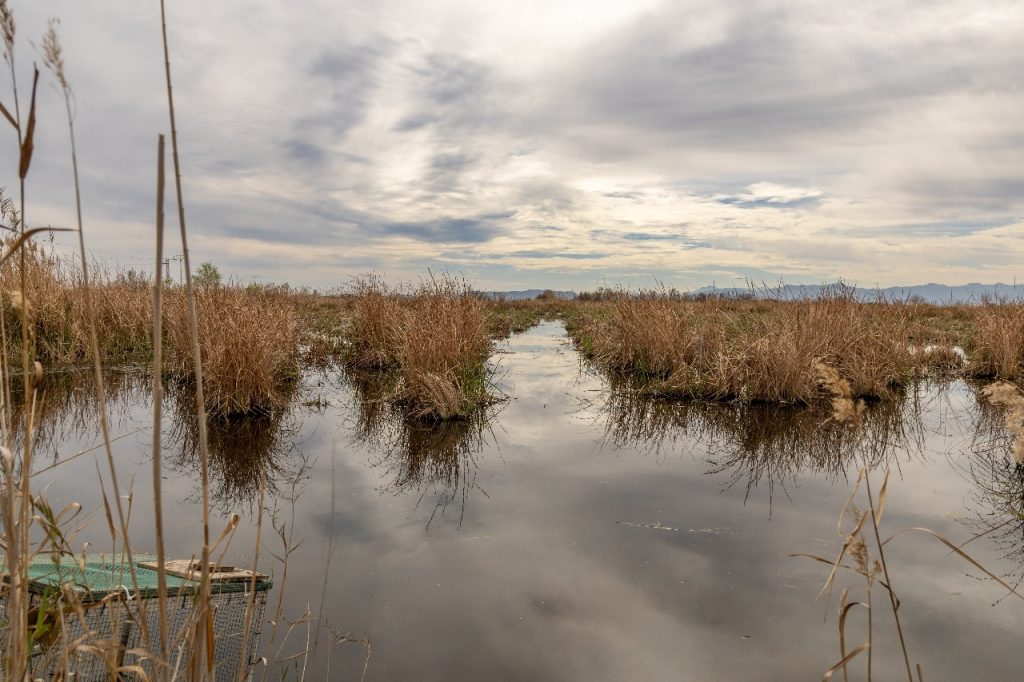
Working diligently every dusk and dawn, the beavers built a natural dam on the stream running through the park, creating a pond that holds back water.
“They essentially turned the area into a giant sponge that absorbs rainfall and releases it slowly, significantly improving flood protection,” Sean McCormack, a veterinarian and the driving force behind the Ealing Beaver Project, told NPR.
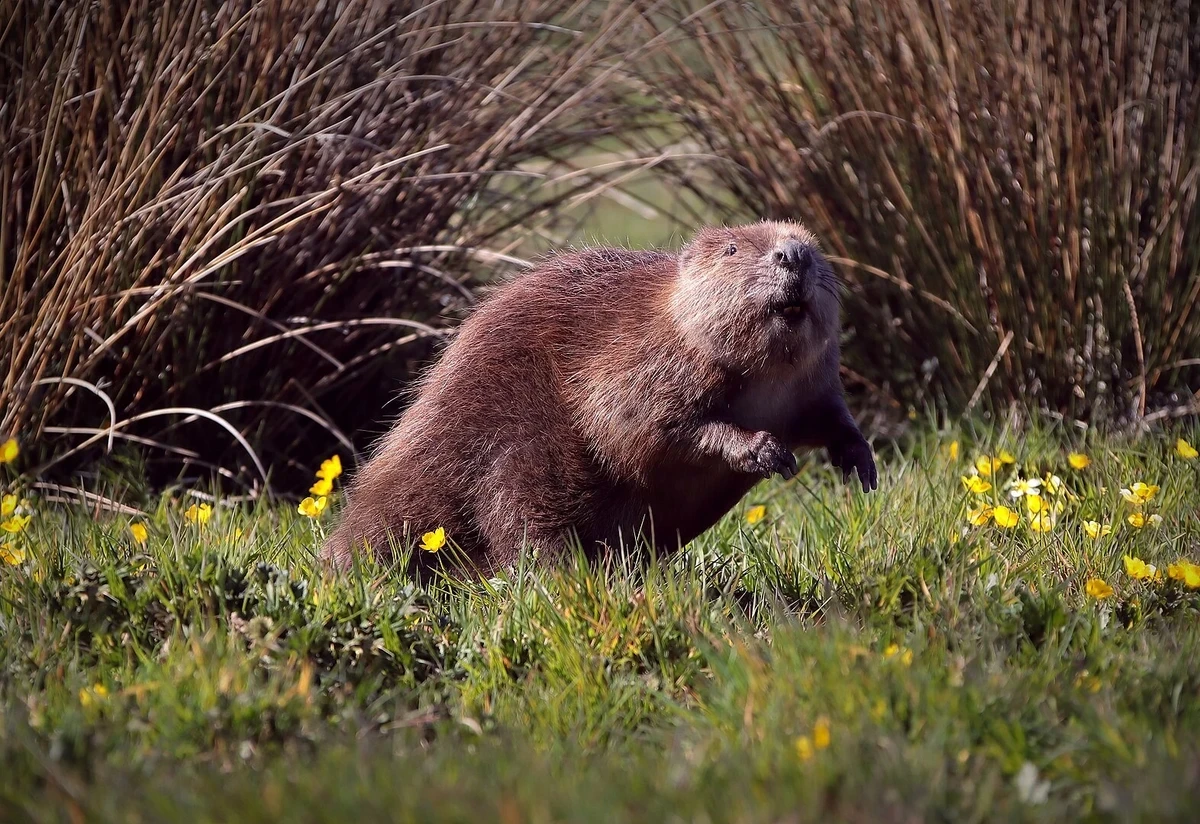
Beavers are the world’s second-largest rodent after South America’s capybara. In this case, they delivered a major economic benefit as well: local authorities canceled an expensive plan to build a storm water dam and reservoir.
And the advantages went beyond flood control. “By felling trees, they opened up the forest canopy and we now see an abundance of biodiversity,” McCormack noted. The park has since welcomed freshwater shrimp, eight new bird species, two bat species, and a rare butterfly — not bad for a park in the middle of one of the world’s largest cities.
The Ealing initiative is one of dozens being carried out across Britain to restore wetlands and provide flood protection.
Beavers were once hunted almost to extinction across America and Eurasia. By the early 20th century, only an estimated 1,200 individuals remained in Europe and northern Asia, primarily in Norway, France, Belarus, Ukraine, Russia, Mongolia, and China. Sweden set the example for other countries when it began importing beavers in the 1920s.
In Britain, the process began in 2009 with the release of two Norwegian beavers — named Milly and Bjonnar — into Knapdale Forest, a temperate rainforest in western Scotland.
The large family they produced has been protecting the forest from the droughts that are increasingly striking Scotland, noted Pete Creech, a ranger who spoke with NPR. “Wetlands are among the most biodiverse ecosystems in the world,” he said. “The United Kingdom has lost more than 95% of its wetlands and we are now desperately trying to restore them.”
The efforts are not always organized, however. In several cases, activists have released beavers in areas without proper authorization. The animals’ spread onto private land is now meeting resistance from farmers, as beavers sometimes build dams in irrigation channels and flood crops. They also fell century-old trees and in some cases destabilize riverbanks, accelerating erosion.
The Scottish government has set up a fund to cover damages in public spaces, though not on private land. Legislation prohibits the destruction of dams more than two weeks old, but farmers are encouraged to contact authorities to have the animals trapped and relocated — which is, incidentally, how the beavers that ended up in Ealing were sourced in the first place.
Some farmers say they don’t mind at all — they simply wrap chicken wire around the trees they want to protect from the animals’ tireless gnawing.
After centuries of relentless hunting, beavers are now welcome in other countries too, including Italy, Portugal, and the Ukrainian stretch of the Danube. In the United States, beavers are being released into burned areas of Washington State to help prevent floods.
In Britain in particular, the future looks promising: most of the beaver’s natural predators, such as wolves and bears, disappeared from the island centuries ago.