 Μake us preferred on Google
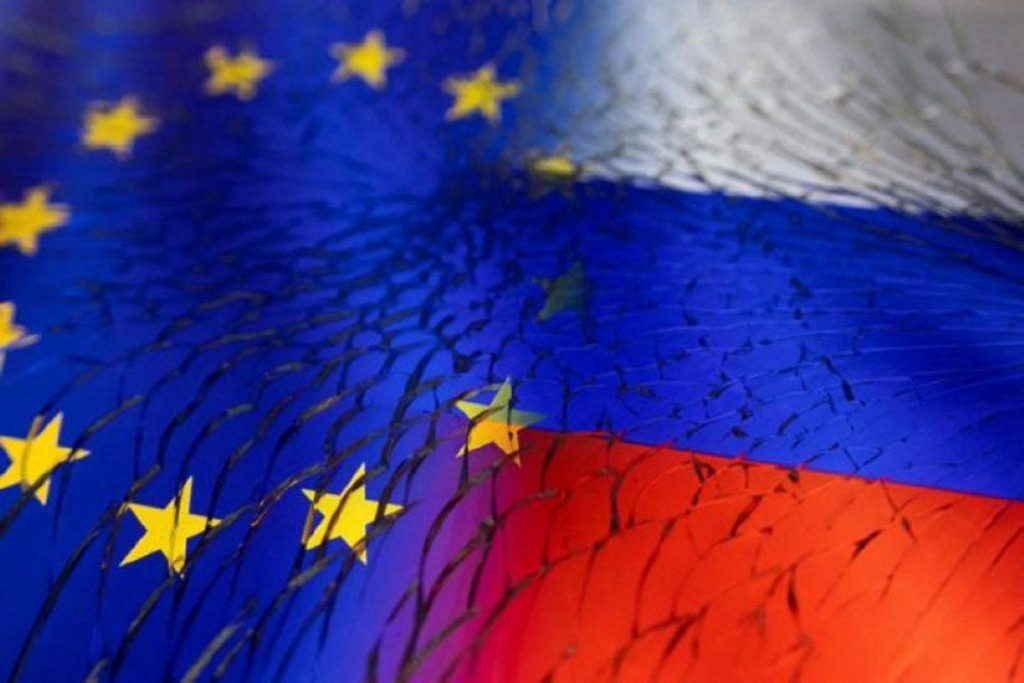
 The European Union is moving closer to an agreement on how to use frozen Russian sovereign assets to help finance Ukraine, according to EU diplomats, with several major decisions expected at a summit of bloc leaders this week.
The initiative is driven by the EU’s view that Russia’s war in Ukraine poses a direct threat to European security. Since Moscow’s full-scale invasion in 2022, EU states have immobilized around €210 billion in Russian central bank assets, most of them held in Belgium through the Euroclear central securities depository.
Diplomats said progress was made this week on broadening participation beyond Belgium, addressing concerns that the original plan relied too heavily on assets held in a single country. Belgium had insisted that other EU states holding Russian assets also be included before agreeing to the scheme. EU ambassadors resolved that issue on Monday, reducing the likelihood of a blocking minority among member states.
However, a major hurdle remains Belgium’s demand that other EU countries share the financial risks if Russia were to successfully sue Belgium or Euroclear in international courts. Russia has repeatedly warned that using its sovereign assets would amount to theft and has already filed a lawsuit in Moscow seeking $230 billion in damages from Euroclear.
Prepare for Difficulties
Italian Prime Minister Giorgia Meloni cautioned ahead of the summit that using frozen Russian assets was “far from easy,” stressing the need for a solid legal framework and safeguards against open-ended liabilities, reputational damage or retaliation. While Italy supports making Russia bear the cost of its invasion, Meloni said any mechanism must avoid exposing national budgets to excessive risk.
Additional sticking points include calls by the European Commission for 18 EU countries to rescind bilateral investment treaties with Russia, which Moscow has used to challenge EU sanctions, and France’s push for Ukraine to spend EU-provided funds exclusively on European defense equipment.
Most EU governments favor a so-called “Reparations Loan,” which would allow Ukraine to access funds generated from the immobilized assets without immediate confiscation. Under the proposal, Russia would retain ownership of the principal, while Ukraine would repay the loan only after receiving war reparations under a future peace agreement.
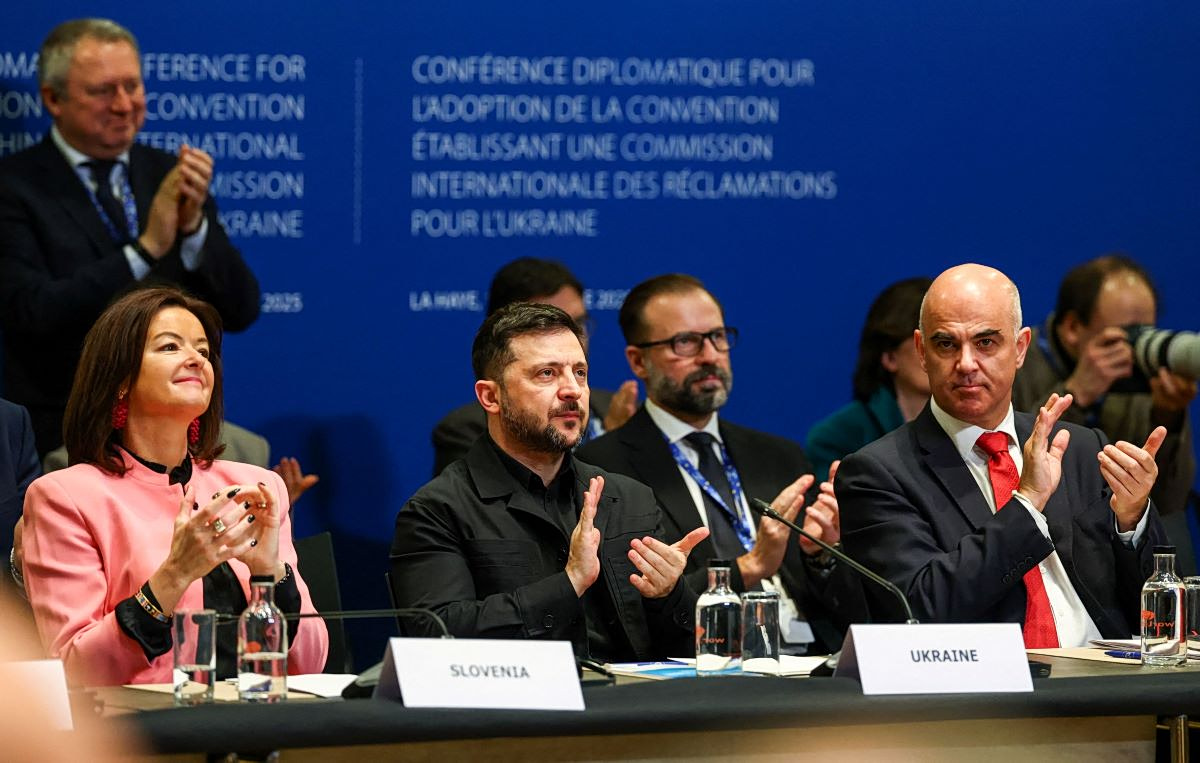
Ukrainian President Volodymyr Zelenskyy has urged European unity on the issue, warning that Ukraine cannot remain resilient without sustained financial backing, while emphasizing the necessity of the frozen Russian funds for the preservation of Ukraine. EU leaders are expected to address the remaining legal and political obstacles when they meet in Brussels on Thursday.