The European Union is preparing to restore relations with Syria, relaunching formal political contacts and paving the way for closer economic, migration and security cooperation, according to a document seen by Reuters.
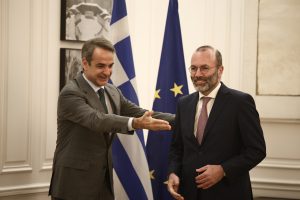
The policy shift marks a significant change after years of largely frozen ties. The EU plans to fully resume its 1978 cooperation agreement with Syria and begin a High-Level Political Dialogue with the country’s transitional authorities starting May 11.
The document, produced by the EU’s diplomatic arm and circulated to member states, also outlines plans to “reframe and adapt” the bloc’s sanctions regime—maintaining leverage while engaging with Syria’s leadership and targeting actors seen as undermining the political transition.
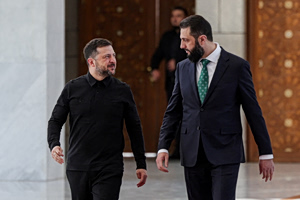
Syria has been seeking broader international reintegration under interim President Ahmed al-Sharaa, who led an alliance that ousted former leader Bashar al-Assad in late 2024 after a prolonged conflict.
Trade, migration and regional integration
The EU plans to expand economic ties through a new framework for trade and investment, including mobilizing private sector funding and supporting reforms aimed at improving Syria’s business environment via a technical assistance hub.
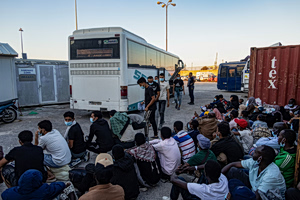
Migration is also a key focus. The bloc intends to work with Syrian authorities to facilitate the “safe, voluntary and dignified return” of refugees and displaced people. Europe currently hosts more than one million Syrian refugees and asylum seekers, about half of them in Germany.
The paper also envisions Syria playing a larger regional role, including integration into connectivity initiatives such as the India–Middle East–Europe Economic Corridor. The country is increasingly seen as a potential hub for transport, energy and digital links.
Amid an energy crisis linked to the closure of the Strait of Hormuz during the Iran war, Syria is emerging as a transit point. A tanker carrying Iraqi oil transported overland recently departed from the Syrian port of Baniyas.
Security cooperation and political transition
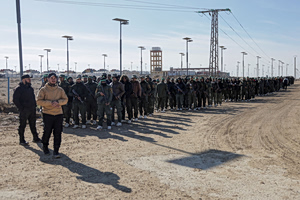
On security, the EU is considering support for training Syrian police and strengthening institutional capacity within the interior ministry, alongside cooperation on counterterrorism and efforts to combat drug trafficking and organized crime.
The document also highlights EU backing for integrating Kurdish-led authorities in northeastern Syria into the state framework, following an agreement reached earlier this year aimed at expanding rights for Syrian Kurds as part of the broader transition.
As part of that process, Syria appointed a commander of Kurdish forces as deputy defense minister for eastern territories, coinciding with the handover of the last U.S. military base in the area to Syrian government control.